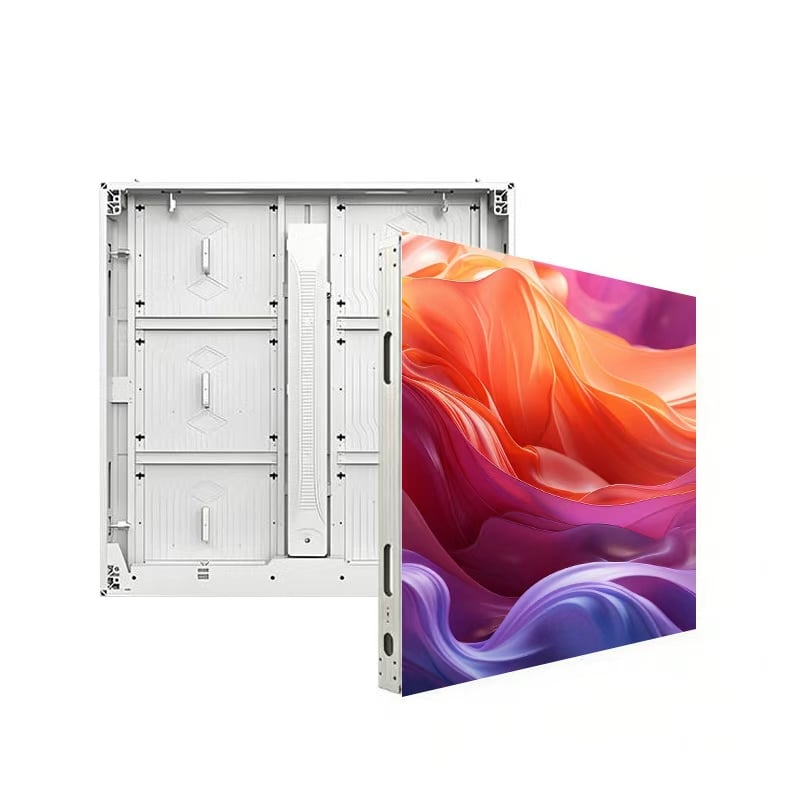
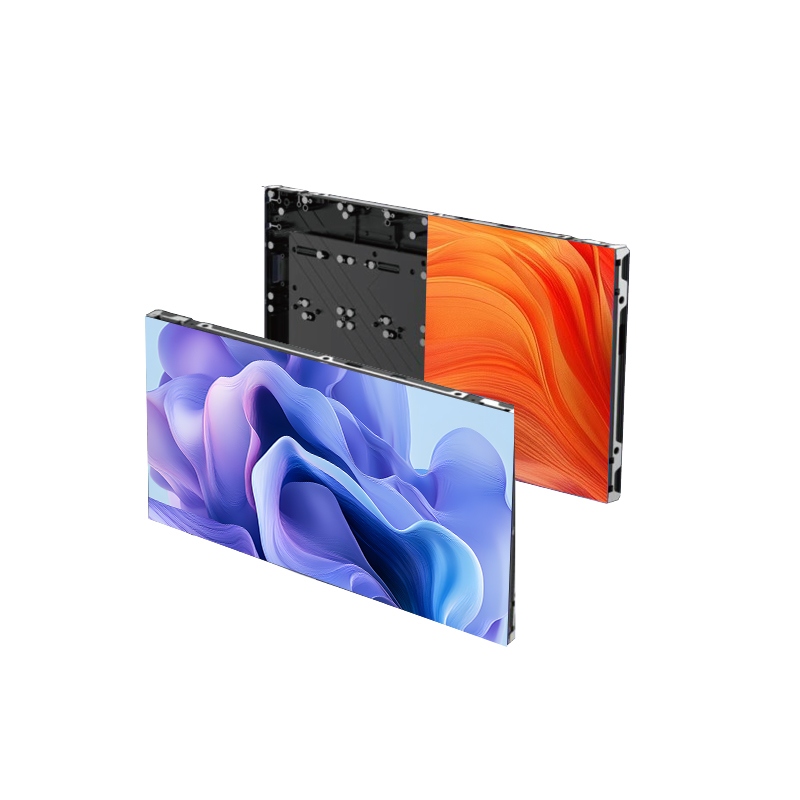
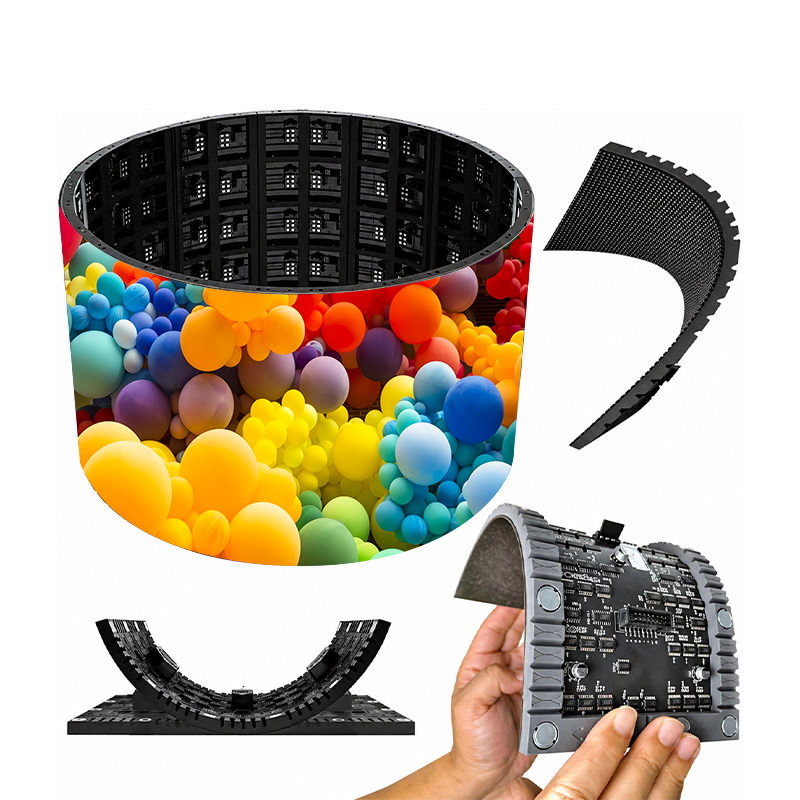
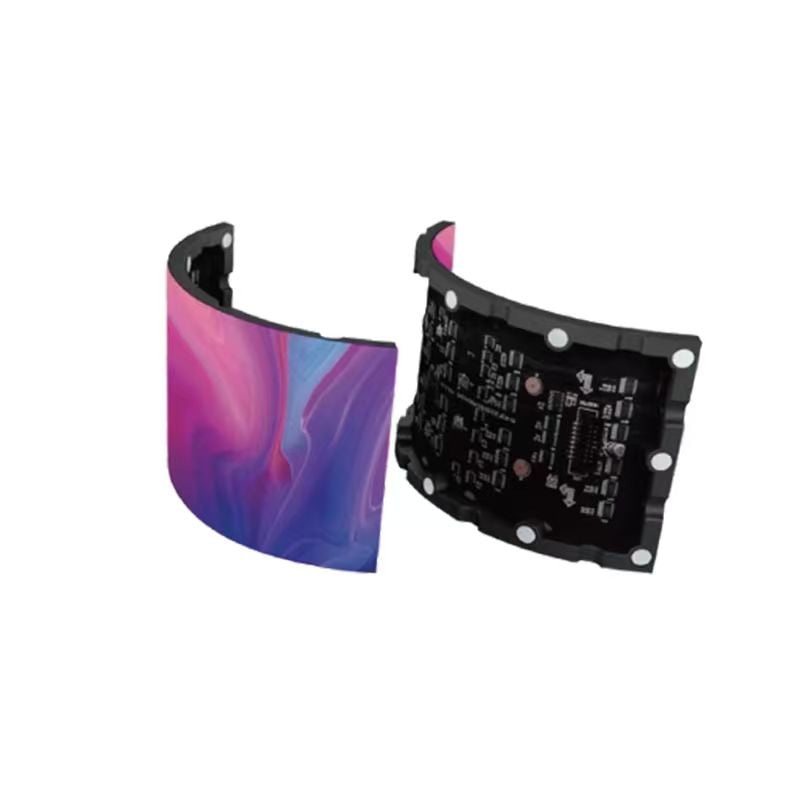
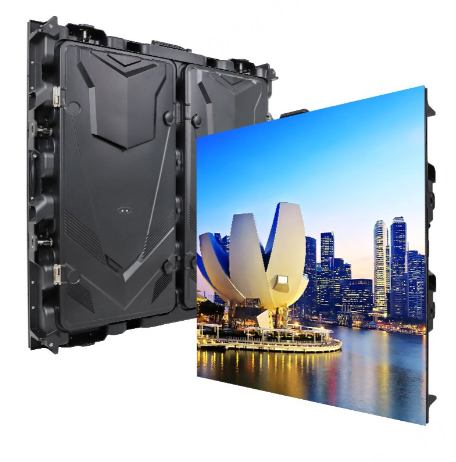
The world now is very concerned about energy saving and protecting the environment. Every business and customer focuses on energy efficiency when they purchase new items. LED screen displays are one of the top technologies and are a big favorite because of how much energy they can save. Shenzhen RMG Optoelectronics Co., Ltd. (RMG LED) is a top seller of LED screens and an industry pioneer with years of research to make top of the line products like indoor and outdoor full color LED screens, rental LED screens, and transparent LED screens. RMG LED screens save energy, but what are the advantages of the other saving features? This article will answer what the features are and how they work to save energy and the features of RMG LED products.
LED screen displays burn less energy than all other digitally controlled displays and their energy efficiency advantage lies in their high energy conversion efficiency. For example, CCFL (Cold Cathode Fluorescent Lamp) displays and other such traditional CCFL technologies waste energy as heat, because they inefficiently convert electrical energy into visible light. RMG LED’s LED screen displays, in contrast, are built to convert more than 80% of electrical energy to visible light and as a result, waste less than half the energy of CCFL displays, which is by 30-50%. For example, a 100-square-meter outdoor LED screen display from RMG LED consumes only 150-200W (compared to 300W of a traditional display) per square meter when working at full brightness. This high energy conversion efficiency positively impacts electricity costs and lessens impact on the power grid, which makes LED screen displays more sustainable.
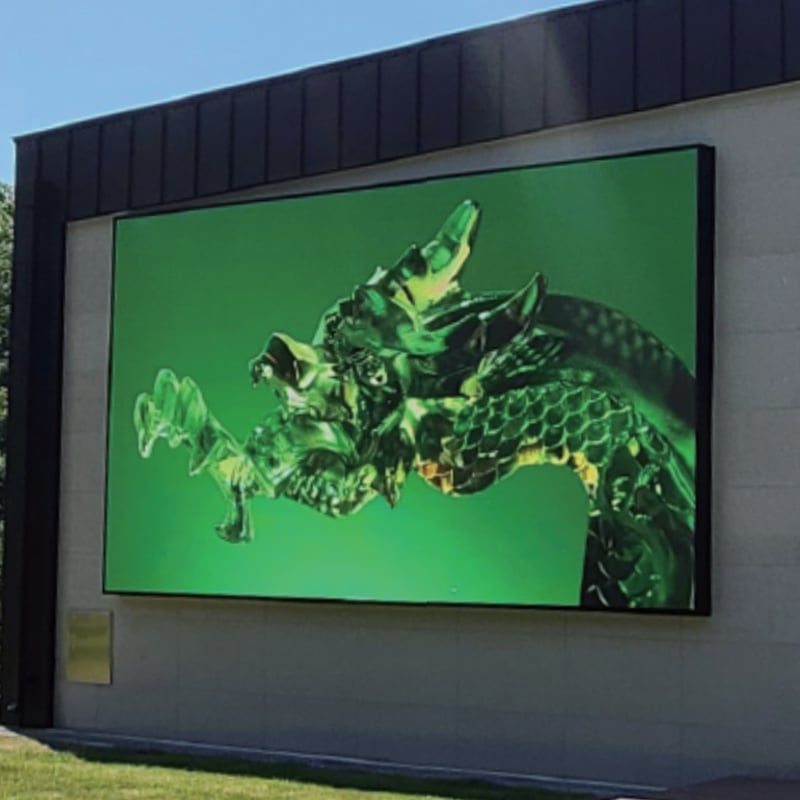
RMG LED has a number of LED display screens equipped with state-of-the-art local dimming technology, which further optimizes energy efficiency even more by preventing unnecessary energy expenditure. Local dimming technology enabled screens to display contents with contrasting brightness level across varying screen sections. In videos showing dark scenes like videos with night scenes or texts on a black screen , some LED modules skip keeping a dark look by becoming dimmer or shutting off altogether. In comparison to conventional screens that operate with a blanket brightness level, this technology on display screens lowers energy usage to about 20-40%. RMG LED’s indoor rental LED display screens, commonly used in concerts or conferences, often contain dynamic visuals consisting of both bright and dark sections. Thanks to local dimming technology, RMG LED’s dimming display screens consumed energy by utilizing only bright sections of the screen and hence becoming even more energy efficient while maintaining appealing visuals.
Having a long lifespan is a very crucial part of energy efficiency and sustainability. RMG LED and their LED screen displays have an average lifespan of over 50000 hours. The life of the LED displays is 2-3 times longer than older technology CCFL displays. The longer lifespan means that there are fewer displays needing to be disposed of over the years because of the new displays that are constantly being produced and disposed of. For example, an outdoor LED advertising screen from RMG LED can work 6-7 years reliably 24/7 without being replaced while a traditional display would be replaced 2 times over the same period. Not to mention the new displays contain a large quantity of energy and resources and the rapid disposal of the displays creates a large quantity of waste. The long lifespan of the LED screen displays makes a significant contribution to energy conservation and environmental protection. Additionally, fewer replacements lower maintenance and replacement costs for the users.
Compared to older display technologies, LED screens generate significantly less heat while in use, enhancing their energy efficiency even further. Displays from RMG LED are built using quality LED chips paired with optimized structures for heat dissipation, meaning the electrical energy used is converted into light rather than heat. Less heat is produced, meaning the cooling systems (air conditioners, fans, etc.) used to keep the display in its safe operational temperature range use less energy. This is particularly evident in large-scale uses, such as in indoor exhibition halls with LED screen displays or outdoor LED screen billboards. As an example, RMG LED’s indoor LED screen displays are 500 sq. m. in size, produces very little heat, and therefore only requires an energy-efficient and simple ventilation system rather than a high energy consuming air conditioning system, lowering the energy use of the cooling system by over 50%. This makes the whole display system highly energy-efficient.
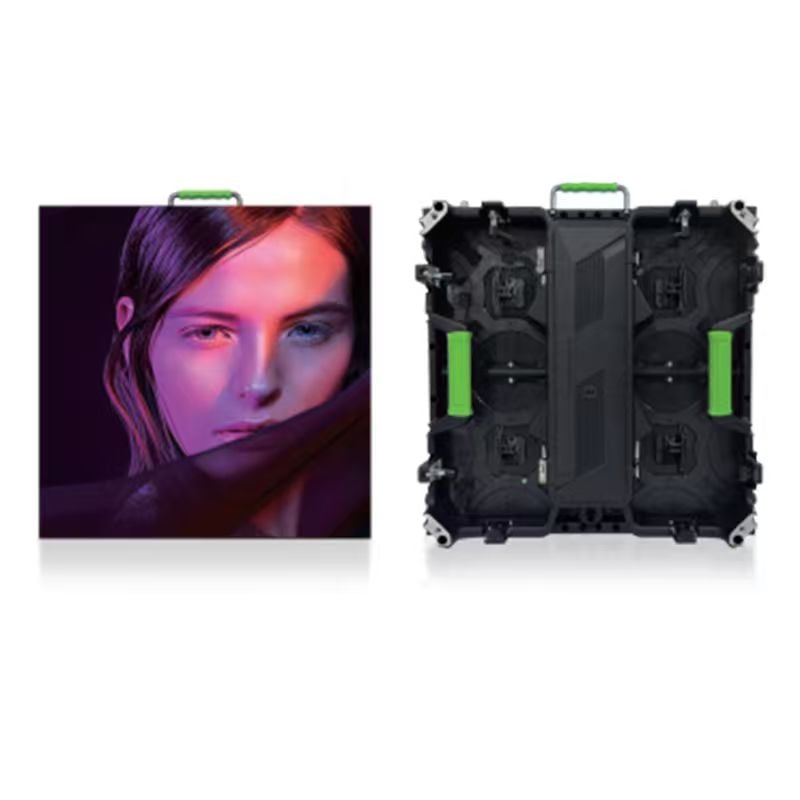
Displays by RMG LED are designed with technology to save energy by automatically adjusting screen brightness based on ambient light. RMG LED displays have monitors that constantly check the amount of light in the environment. The monitors detect the overall brightness of the environment, and if an environment is bright (like a daytime outdoor setting), the display will automatically detect the outdoor conditions and raise the screen brightness. The display will also check if the environment is dark (like at night or in a dimly-lit indoor space) and will lower its brightness automatically to cut down on energy use. The energy savings with RMG displays are greater because with RMG displays, the energy savings due to automatic brightness adjustment are in the range of 30-50%. RMG displays lower the brightness at night and use only half the energy than while operating during the day. The screen display effectively demonstrates the best energy savings by operating at varying light conditions during the night.
Though it may not be directly related to electrical energy consumption, the use of environmentally friendly materials and recyclability of LED screen displays from RMG LED only further synergize on the sustainabilty directly related to perennial energy efficiency. RMG LED's LED screen displays do not hold any harmful materials like mercury, which CCFL displays do, thus, avoiding the drastic polls of the environment while manufacturing and disposal. Also, the capturing materials of the displays are severally like aluminum alloy frames and plastic casings which are recyclable. When the LED screen display reaches the end of it's lifespan, not only are the materials recyclable, but the energy and resources it takes to make new materials are diminished. For example, RMG LED's rental LED screen displays aluminum alloy frame is 100% recyclable and the recycling costs only 5% of the energy it takes to produce brand new aluminum alloy which is a win win on a circular economy model because it promotes constant recycling to sustain new production which compliments the energy saving benefits of those LED screen displays.
In summary, the benefits of LED screen displays are the following: more energy-efficient, greater energy conversion efficiency, incorporates local dimming technology, maintains a longer lifespan, produces low heat, has automatic brightness control, created with \\"green\\" recyclable materials, etc. RMG LED, being a professional LED display solutions company, incorporates these benefits into the whole of their product line by providing energy-efficient LED screen display solutions for events, advertising, conferences, and exhibitions, and more. Customers who want to reduce energy expenses and negative impacts to the environment should consider RMG LED for their LED screen displays and receive economic savings while acting responsibly for the environment.
 Hot News
2026-06-23
2026-06-22
2026-06-11
2026-06-01
2026-05-20
2026-05-14

Professional Integrated LED Display Solution Provider
 EN
EN