Advertising LED displays have emerged as a perfect marketing solution on account of their high-definition image quality, vivid colors, and outstanding visual experience. At present, we'd like to introduce our well-received LED displays that boast advanced technology and optimized configurations.
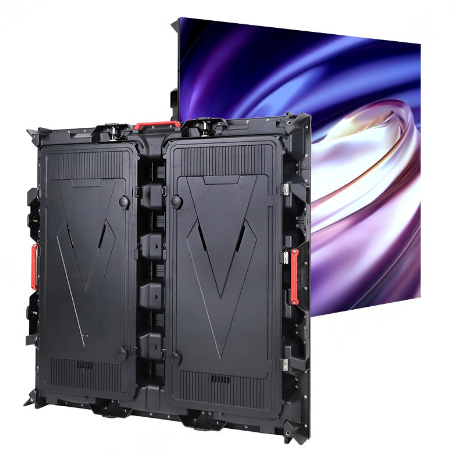
Hard Connection Design
Openable Back Cover(Sizes)
Fast Heat Dissipation
IP65 High Waterproof Level
3840Hz High Refresh Rate
6000CD/㎡ High Brightness
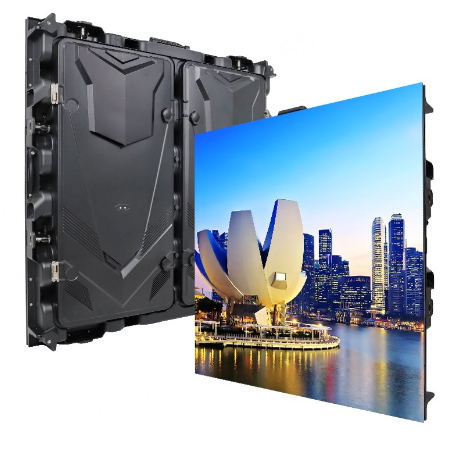
Front and Rear Service Design
4 Airfoil Fans for Fast Dissipation
IP65 High Waterproof and Dust-Proof Level
6500 Cd/㎡ High Brightness
Module Size 250*250mm
Cabinet Size 1000x500mm
Hard Connection Design
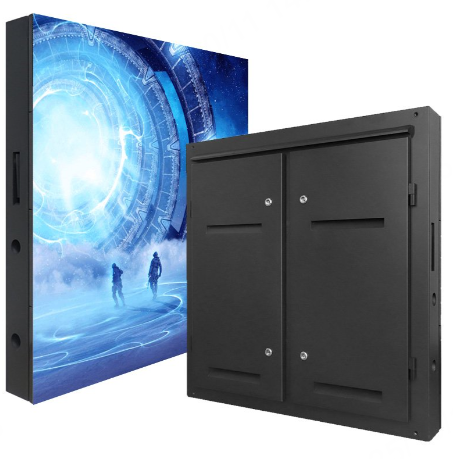
3840Hz High Refresh Rate
Magnesium Alloy Material
Quick Locks On the Top and Left Side
Hard Connection Design
4 Air-Foil Fans Design
IP65 High Waterproof Level
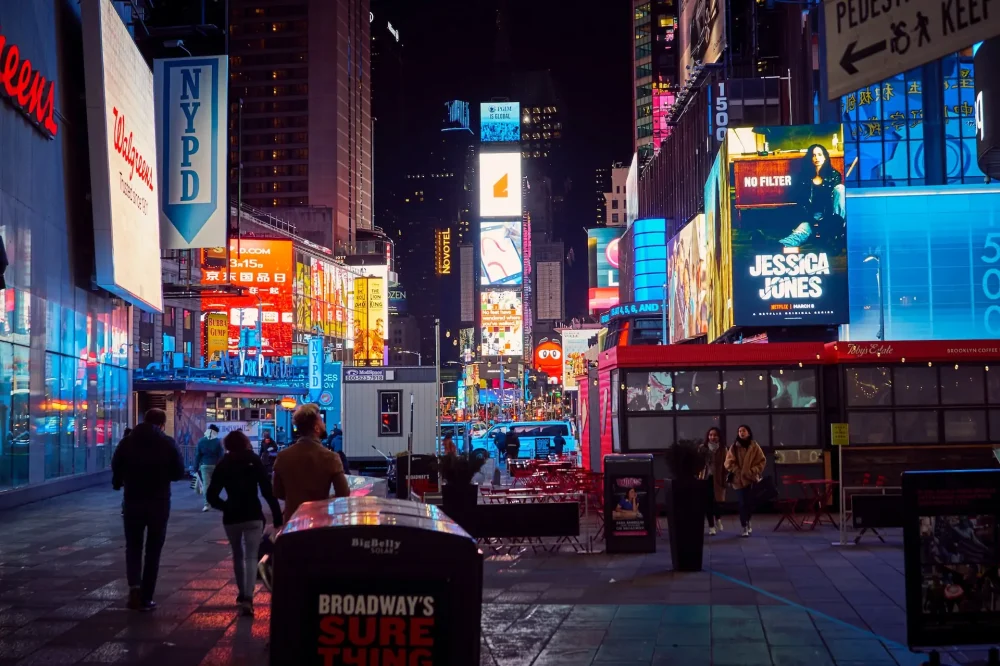
Advertising LED screens are dynamic and captivating. Research indicates that LED advertising displays are 400% more effective compared to static billboards. Moreover, dynamic LED screens can draw 2.5 times more attention than their static counterparts. This implies that your message stands a greater chance of being noticed and retained by the audience.
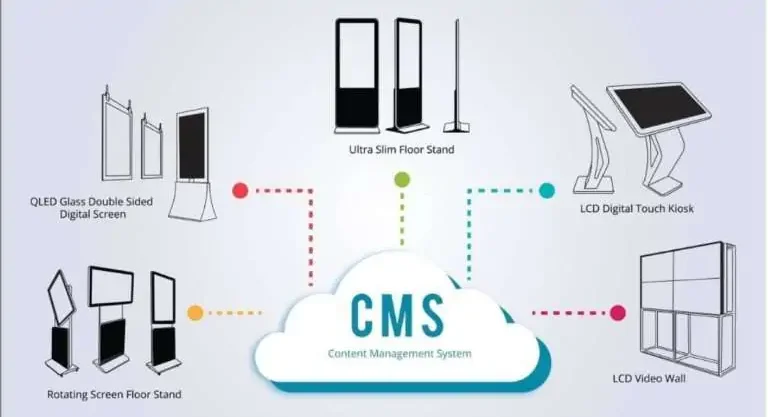
In contrast to static billboards which require manual alterations, LED advertising screens enable immediate remote content updates depending on the time of day, ongoing events, or weather conditions. This adaptability guarantees that the content remains pertinent and timely, captivating viewers with the latest information precisely when it matters. Brands are thus able to swiftly test and optimize their marketing campaigns to achieve the greatest possible impact.
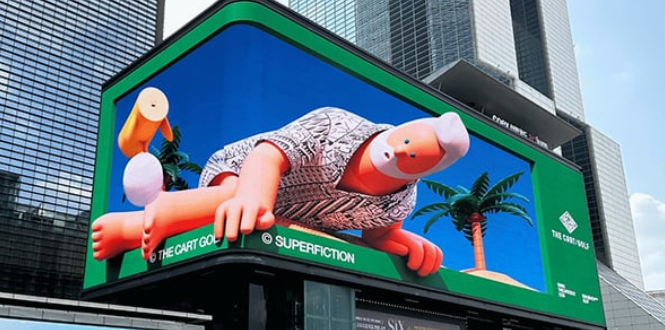
Even though LED advertising screens come with a higher cost, they can deliver a greater return on investment thanks to their ability to display rotating ads and the flexibility they offer in scheduling. Marketers have stated that targeted digital campaigns using LED advertising screens can achieve up to five times the return on investment, while static placements typically only yield three times the return.
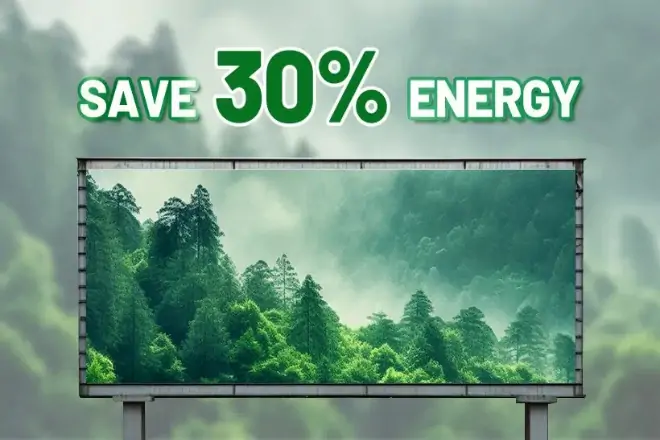
The advertising LED display cuts down on waste as it obviates the need for repeated printing. Its auto-dimming feature can play an effective role in lowering energy consumption. Moreover, digital formats can curtail overall costs and lessen the environmental impact by doing away with recurring installation charges.
Recent studies reveal that the exposure rate of dynamic LED advertising screens is usually 40 - 60% greater than that of static billboards in areas with heavy traffic.
It's recommended to note that advertising LED screens have steadily grown into a favored marketing tool for seizing customers' attention and strengthening brand engagement. Keep reading to discover more about why they are a revolutionary choice and which aspects you should take into account when it comes to indoor or outdoor events.
An advertising LED screen refers to a large-scale digital display mechanism that employs LEDs to showcase images, advertisements, videos, and information in locations with high footfall. In contrast to static billboards, it integrates brightness, adaptability, and remote control capabilities to optimize the impact of advertising.
It is available in a diverse range of sizes, shapes, and technical specifications, thus presenting flexible options to meet various advertising needs. As a result, the advertising LED display screen can present vivid and appealing content in both indoor and outdoor environment
There are seven distinct types of advertising LED display screens, each customized to meet diverse promotional needs.
2.1 Outdoor LED Advertising Screen
Outdoor LED advertising screens are sizable, weather-resistant digital display systems composed of modular LED panels. They are specifically engineered for highly visible public advertising in open-air settings.
These screens come with pixel pitches ranging from P4 to P10, which are optimized for viewing distances spanning from 15 to 100 meters. They are capable of dynamically presenting video advertisements, promotional messages, or real-time information in areas like highways, building facades, and public squares.
2.2 Indoor Advertising Screen
Indoor advertising screens are formed by modular LED panels (with pixel pitches from P0.6 to P2.0). They create seamless displays that are utilized in shopping malls, lobbies, trade shows, and conference rooms. Thanks to their high-resolution displays, creative arrangements (such as curved layouts), and front-access maintenance, they offer immersive brand experiences. Additionally, they support interactive campaigns and can showcase high-impact promotional visuals.
2.3 LED Poster Screen
These sleek and freestanding vertical units are also known as LED poster screens or LED totems. They possess a fine pixel pitch, touch interaction functionality, and the ability to update content remotely. Equipped with universal wheels, they are portable and prove to be effective for promotions, temporary events, and wayfinding. The LED poster display serves as an ideal tool for use in airports, retail stores, and hotels.
2.4 3D Billboard
The 3D Billboard, a type of digital out-of-home (DOOH) advertising, employs special 3D technology to generate three-dimensional images on a flat screen. This makes the advertisement appear more stereoscopic and realistic. The creation of this 3D illusion primarily depends on precise control of the viewing angle and the use of high-resolution LED screens, without the necessity for special glasses.
2.5 Flexible LED Screens
Made up of bendable LED modules, these flexible displays can conform to curved walls, columns, or irregular booth shapes, creating immersive visual effects. They are furnished with magnetic connectors that enable quick assembly and seamless visualization. As a result, they are favored for experiential marketing, art installations, and dynamic showrooms.
2.6 Transparent LED Screens
Transparent LED screens represent a state-of-the-art display technology. They integrate LED pixels onto a transparent substrate, allowing light to pass through the screen while simultaneously displaying dynamic digital content. In effect, they can transform ordinary windows, partitions, or glass surfaces into vibrant advertising or information media.
Typically, these screens offer a transparency level of 60 - 80% and have an extremely fine pixel pitch (ranging from P1.5 to P10) to strike a balance between clarity and transparency.
2.7 Mobile LED Billboard
Mobile LED billboards are digital displays that are mounted on trucks, trailers, or specialized vehicles. They are used to showcase dynamic, attention-grabbing advertisements while on the move. These mobile billboards feature a weatherproof design, GPS navigation, and remote content management. Compared to fixed billboards, they are aimed at hyper-localized scenes, providing flexible and cost-effective advertising exposure.
LED advertising screens can be utilized in a wide variety of settings. The following are the principal applications of these advertising LED display screens.
3.1 Retail Stores
Indoor advertising screens positioned in storefronts, window displays, and point-of-sale areas are employed to promote products, draw attention to promotions, and assist customers. They enhance the consumer experience by offering real-time updates regarding sales figures or inventory alterations.
3.2 Public Transport Hubs
Airports, train stations, and bus terminals make use of LED screens for broadcasting security alerts, providing real-time schedule updates, and displaying targeted advertising. High-brightness LED displays guarantee clear visibility even under sunlight, and strategically positioned screens can transform passengers' waiting time into a source of revenue. Some LED advertising displays incorporate facial recognition technology to present customized content.
3.3 Events & Exhibitions
At trade shows, concerts, or other exhibitions, the LED advertising screen is used to show live feeds, display sponsor messages, or integrate social media content. The modular design enables the creation of specific shapes, which helps in crafting attention-grabbing advertising content and boosts brand visibility.
3.4 Hospitality & Dining
In hotels, restaurants, and cafes, the advertising LED screen is utilized to showcase menus, highlight specials, provide wayfinding information, and display brand messages. This improves the quality of service and increases guest engagement. Interactive self-service terminals simplify the check-in process, and menu boards in restaurants can cut down on printing costs by enabling instant updates of prices and available meals.
3.5 Education & Institutions
Schools and museums utilize advertising LED displays for making announcements, facilitating interactive learning, or presenting digital art displays. Touchscreen capabilities allow for the creation of participatory exhibits, while emergency alarm systems ensure safety and maintain engagement.
3.6 Outdoor Advertising
The outdoor LED advertising screen is usually installed along highways, city streets, and public squares. It enables advertisers to deliver ads around the clock through remote control management. Advertisers can frequently change the content and the screens can withstand any harsh weather conditions.
Here are five convincing reasons that explain why advertising LED displays have become game changers for brands.
4.1 Captivating Displays
The primary reason lies in the fact that advertising LED display screens boast high brightness and vivid displays, which are highly effective in grabbing customers' attention. Whether indoors or outdoors, these LED advertising screens can present vivid colors, high-definition images, and smooth videos, enabling passersby to quickly notice the ad screen at a single glance.
Moreover, advertising LED screens are capable of automatically adjusting their brightness to suit different lighting conditions. This ensures that your advertising maintains high visibility and attractiveness, making it a crucial advertising method for expanding your brand's influence.
4.2 Diverse Content Options
The LED advertising display offers great versatility when it comes to content display. It can showcase static images, dynamic videos, and real-time data feeds. With the support of professional software technology, the advertising LED display enables you to accurately display event schedules, social media content, product advertisements, and sales prices, all tailored to meet the preferences of the audience. These commercial LED screens provide brands with an ideal means of engaging customers through real-time content updates.
4.3 Accurate Targeting
The ability to update content in real-time, integrated with content management software, is especially advantageous for businesses that conduct time-sensitive events or promotions. These LED advertising screens allow you to precisely update content, display multiple messages, and schedule targeted campaigns based on specific times and target audiences, without the delay that is typically associated with traditional static billboards.
4.4 Interactivity and Data-Guided Insights
Modern LED advertising displays support interactive functions such as touchscreens, motion sensors, or QR codes, facilitating direct engagement with consumers. For example, it can enable product customization or instant coupon redemption. At the same time, the embedded analytics tools can capture anonymous demographic data, dwell times, and engagement rates. This helps brands to fine-tune their messaging and improve return on investment with precision.
4.5 Cost Efficiency
Although the initial costs are relatively high, advertising LED displays can bring long-term savings as they reduce labor and energy consumption costs. Their lifespan exceeds 50,000 hours, making them sustainable advertising solutions that support environmentally conscious branding while also lowering the total cost of ownership.
Below are the latest types and price ranges of LED advertising screens in 2025, categorized by product type:
• Outdoor LED Display (P3.9, IP65): Boasting a sturdy, waterproof module, this display is priced at $720 per square meter and serves as an excellent choice for outdoor signage.
• Outdoor LED Billboard (8mm pixel pitch): A full - fledged outdoor billboard, approximately 2.9 meters by 0.8 meters in size, is available for $5,190. It supports cloud - based remote content updates.
• Transparent Adhesive LED Film: This ultra - thin mesh film, with a transparency rate of over 95%, is priced at $1,290 and is highly suitable for installation on store windows.
• LED Poster Screen (76 inches × 25 inches): A high - end freestanding indoor display, priced at $4,277, is ideal for promotional activities in shopping malls and for product advertising.
• 3D LED Billboard: A compact 3D holographic fan display, which can create eye-catching visual effects, is priced at $565.
5.1 Price - Influencing Factors
• Brand Prestige and Warranty: Well - known premium brands often have higher price tags. This is due to their provision of robust warranty policies, reliable product quality guarantees, and efficient after - sales service.
• Resolution and Pixel Pitch: Displays with smaller pixel pitches require a greater number of LEDs, which substantially raises the production costs.
• Screen Dimensions: Larger screens demand more LED modules, additional materials, and more complex support structures, all of which contribute to a higher overall cost.
• Customized Shapes: Custom - designed shapes, such as curved, flexible, or tailor - made configurations, involve more intricate production processes, thus increasing the cost.
• LED Quality and Brightness: High - quality LEDs (including SMD, COB, Mini LED, and Micro LED) that offer high brightness (ranging from 1,000 to 10,000 nits) deliver superior color accuracy and better visibility outdoors, but they come with a higher price tag.
• Control System and Software: Advanced Content Management Systems (CMS) that enable remote content updates, data analysis, content scheduling, and fault detection functionalities will increase the initial purchase cost.
• Environmental Adaptability: LED screens engineered to withstand extreme temperatures (for example, those equipped with anti - freezing modules or heaters) or designed for high - altitude environments require specialized components. This can lead to a cost increase of up to 50%.
Are you aware of the specific factors that deserve special attention when purchasing indoor or outdoor LED advertising displays? Here, we'll enumerate all the key aspects that you should consider to assist you in making a well-informed decision.
6.1 Indoor LED Display Screen for Advertising
6.1.1 Core Specification Considerations
a. Pixel Pitch
For viewing distances of ≤3 meters (such as in conference rooms and exhibition halls), a pixel pitch within the range of P1.2 - P2.5 is recommended to guarantee clear and sharp visuals.When the viewing distance is >3 meters (like in the atrium of shopping malls), a pixel pitch of P3 - P6 is advisable to prevent overly high pixel density.
b. Brightness & Contrast
The typical brightness for indoor settings ranges from 800 to 1500 nits. In brighter environments (such as areas near windows), higher brightness is necessary.A contrast ratio of ≥ 3000:1 is essential to ensure vivid color gradations and high-definition images. (A low contrast ratio can result in a grayish appearance of the image.)
c. Refresh Rate & RGB
A refresh rate of ≥ 1920Hz is required to enhance the smoothness of dynamic images.The color gamut coverage should be extensive (supporting sRGB/Adobe RGB standards), and the color uniformity error across the entire screen should be less than 5%.
6.1.2 Splicing & Heat Dissipation
The indoor advertising screen should be capable of seamless right-angle splicing, curved installations, and assembly around columns. Meanwhile, the heat dissipation system must be stable, with fan noise below 40dB, to prevent color degradation caused by prolonged overheating.
6.1.3 Adaptation to Use Scenarios
For commercial displays in conference rooms, the focus should be on high resolution (P ≤ 2.5) and the ability to access multiple signals (supporting HDMI/SDI). In places where the screens operate for long periods (such as banks and hospitals), industrial-grade driver ICs should be used to ensure a lifespan of ≥ 100,000 hours.
6.1.4 Maintenance
It's necessary to confirm that the manufacturer offers a warranty period of ≥ 2 years, including a free module replacement service. The remote control system should support automatic fault diagnosis to reduce the time and costs associated with manual troubleshooting.
6.2 Outdoor LED Display Screen for Advertising
6.2.1 Environmental Adaptability
a. Waterproof Level & UV-Proof
An IP65 or higher waterproof level is mandatory (fully dust-proof and resistant to water spray). In seaside or rainy areas, an IP67 waterproof rating is required.A UV-resistant coating is needed to prevent the lamp beads from aging and experiencing color shifts due to long-term exposure to sunlight.
b. Temperature and Humidity Resistance
The operating temperature range should cover -30℃ to 65℃. In cold regions, measures must be taken to prevent startup failures in low temperatures.The heat dissipation system should be equipped with fans or heat dissipation coatings (with noise < 40dB) to avoid damage to the LEDs caused by high temperatures.
c. Impact Resistance
The panel should be made of toughened laminated glass, which ensures that the fragments adhere together and are splash-proof when broken.The impact resistance level should reach IK09 - IK10 (capable of withstanding strong external impacts).
6.2.2 Structure & Maintenance
Hidden anti-theft screws and an independent lightning protection module are essential (particularly in areas prone to thunderstorms).The load-bearing structure should undergo wind load calculations (with customized reinforcement needed in typhoon-prone zones).A front maintenance design should be adopted, allowing faulty modules to be replaced without having to dismantle the entire screen.
6.2.3 Qualification & Case Study
Mandatory verification includes 3C certification, ISO9001 quality management system certification, and for outdoor screens, an IP65/IP67 protection level test report is required.There is also a requirement to provide project cases of the same type (such as those in large plazas or for building advertising), and on-site inspections of the display effect and stability should be possible.
7.1 What file formats does an LED advertising screen support?
LED advertising screens directly support playback of JPG, PNG, MP4, AVI, GIF, and TXT files, while formats like DOC/PPT require conversion via control software depending on the controller capabilities.
7.2 What is the minimum brightness requirement for outdoor LED advertising screens?
The outdoor LED advertising screens require ≥5000 nits to counteract sunlight, with 8000+ nits recommended for direct-sun locations.
7.3 How to detect "dead pixels"
Display pure red/green/blue backgrounds → Dark spots indicate dead LEDs.
Advertising LED screens have brought about a revolutionary change in brand promotion, thanks to their dynamic visual displays and unparalleled versatility. Whether it's grasping the core functions or delving into the 8 different display types and their practical applications in the real world, this guide has provided you with practical and useful insights that can help you make the most of this technology. RMGLED has a team of professionals on standby to address any queries you might have. Feel free to get in touch with us to obtain more information!

Professional Integrated LED Display Solution Provider
 EN
EN
