A taxi LED display is a mobile advertising system installed on taxi roofs. It’s designed to maximize the visibility of advertisements and boost brand recognition, thanks to its high-resolution, high-brightness, and high-gray-scale imaging performance.
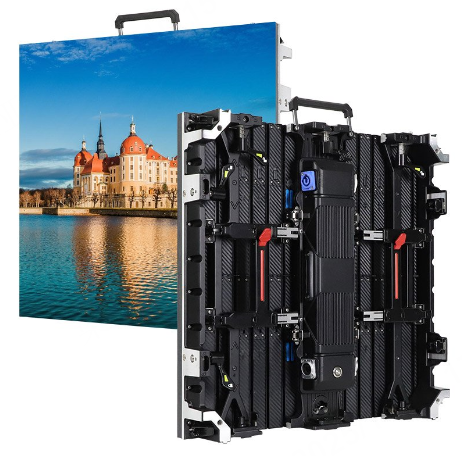
Quick Lock Design
Humanized Cabinet Design
Outer Arc or Inner Arc Assembly
3840Hz High Refresh Rate
140° Wide Viewing Angle
Removable Back Cover
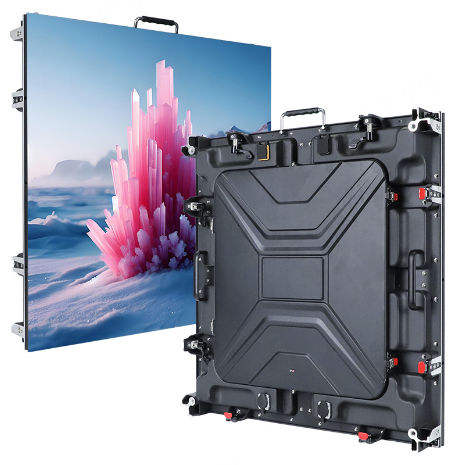
11kg Ultra-Light Cabinet
320x160mm Module Size
Excellent Heat Dissipation Performance
IP65 Waterproof Level
Openable Back Cover
Quick Lock Design
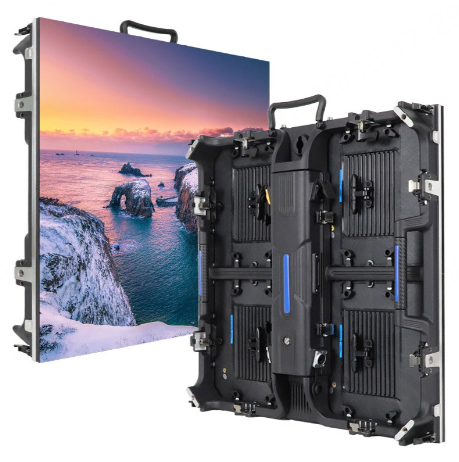
576x576mm Cabinet Size
3840Hz High Refresh Rate
Front and Rear Maintenance Design
Removable Back cover
Hub Connection Design
Optional High-Precision Curve Lock
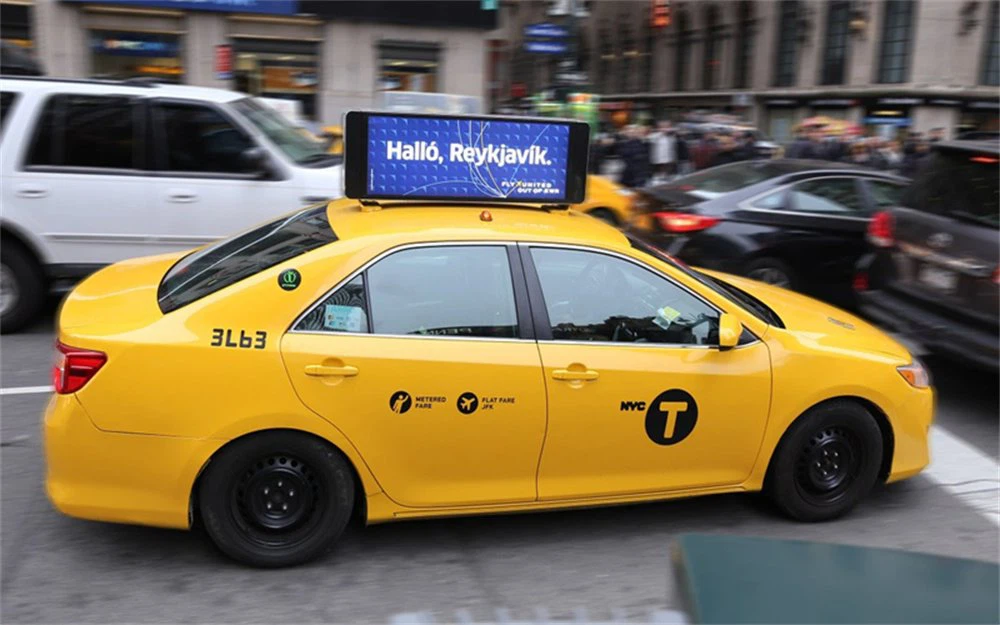
Taxi top displays are engineered to deliver clear visibility across different lighting environments. They feature a brightness level of up to 5000 nits—bright enough to keep advertisements readable and vivid, even when exposed to direct sunlight.
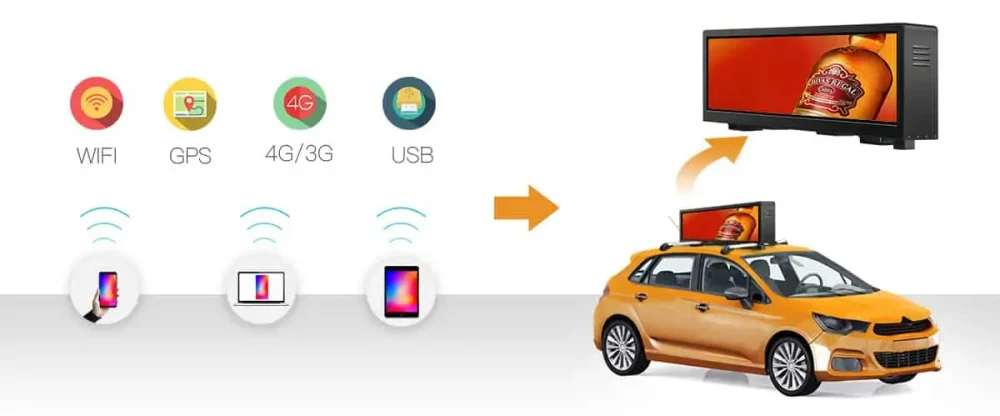
Taxi LED screens come with multiple connectivity options, including 4G/5G, Wi-Fi, and GPS. These features enable remote content updates and scheduling for the displays. Advertisers can manage their campaigns in real time—adjusting content based on factors like audience demographics, time of day, and location—to ensure targeted delivery.
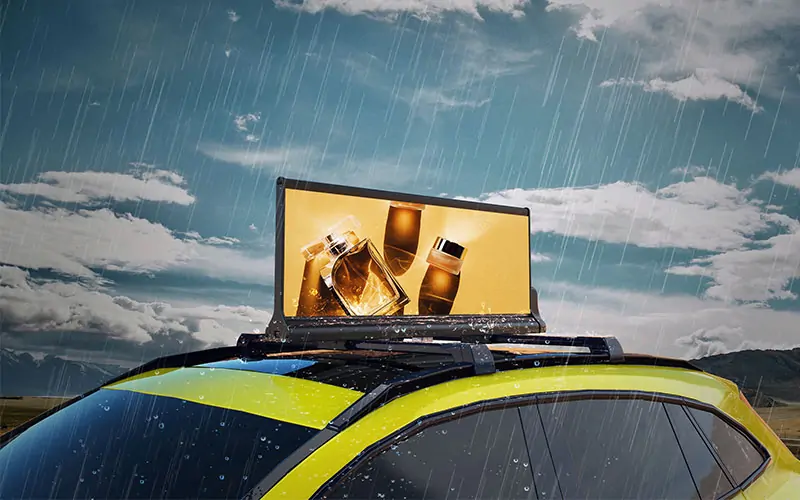
Taxi top LED displays are engineered to withstand a range of environmental conditions. They usually hold an IP65 or higher protection rating, which shields them from dust and water damage. Their durable design ensures stable, reliable operation across different climates—whether in rain, wind, or dry weather.
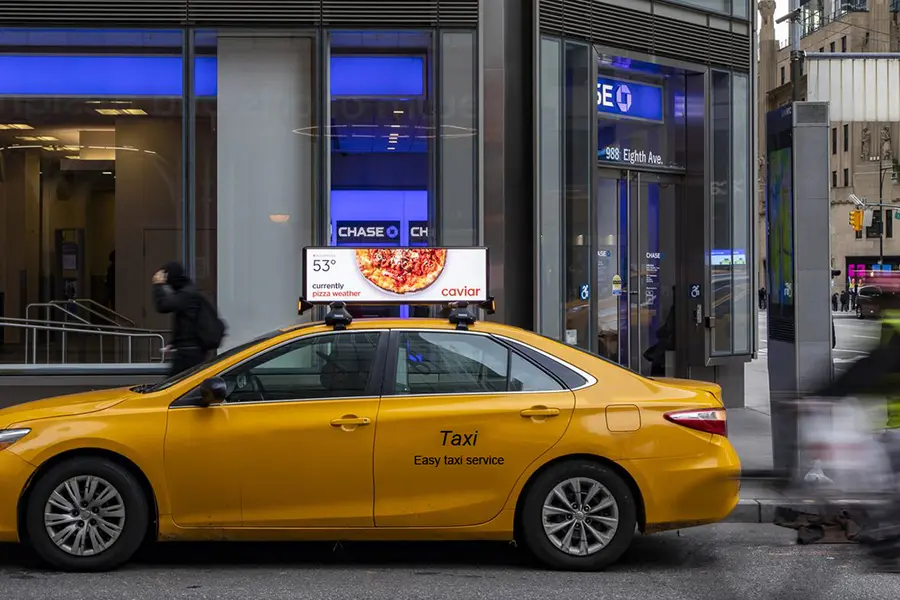
Taxi advertising screens support double-sided content display, which maximizes ad exposure to both drivers (on adjacent lanes) and pedestrians (on sidewalks). This design boosts the effectiveness of advertising and expands the reach of promotional messages to more audiences.
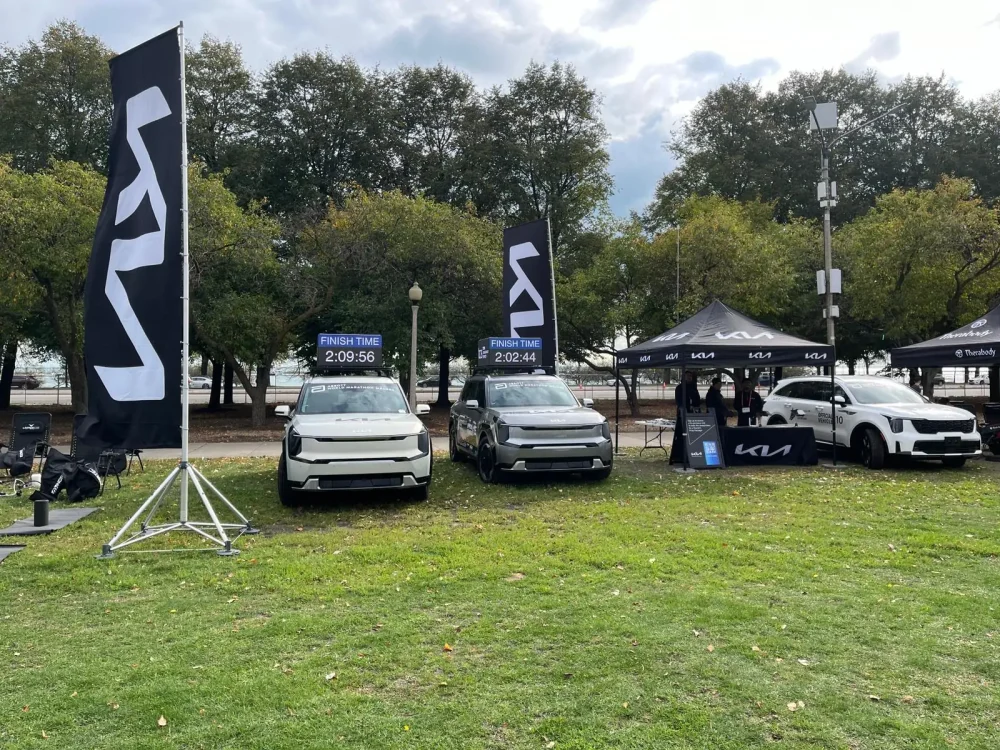
Taxi advertising screens come with content scheduling functionality, allowing advertisers to prearrange when specific ads go live. This feature lets users set playtimes based on factors like peak commuting hours or target audience activity, ensuring ads reach the right people at the right time. It also supports flexible adjustments—if campaign needs change, scheduled content can be modified remotely without on-site operations, making ad management more efficient and responsive.
Compared to traditional fixed LED displays, taxi top LED displays expand the reach of advertisements, helping to maximize advertising revenue.
As a mobile LED display, the taxi LED screen is a powerful advertising tool. It delivers ad information and content effectively while keeping advertising costs low. This article will share cutting-edge solutions, helping you learn more about the pricing, advantages, and installation of taxi top LED displays. Let’s dive in!
A taxi top LED display—also known as an LED taxi topper or taxi roof LED screen—is a vehicle-mounted digital billboard. It turns a taxi into a mobile media platform by installing an array of LED panels on the taxi’s roof.
It uses high-brightness LEDs, usually with pixel pitches ranging from 2.5 mm to 5 mm, to ensure clear visibility both during the day and at night. Housed in a slim, weatherproof cabinet (often with an IP65 protection rating), these displays can resist rain, dust, UV rays, and extreme temperatures—while also reducing wind resistance on the taxi’s roof.
Advertising content is managed through built-in cellular (4G/5G) or Wi-Fi modules, plus GPS integration. This allows for remote scheduling, real-time content updates, and location-based ad targeting, all controlled via a cloud-based CMS (Content Management System) platform.
Taxi top LED displays are mobile LED billboards that combine high-brightness LEDs, media control, wireless connectivity, and power management. The system draws power from the taxi’s battery, receives pre-scheduled content from a cloud-based CMS (Content Management System) via 4G/5G or Wi-Fi, and uses GPS to activate geofence-specific ads.
2.1 Core Components
Taxi LED screens are built with high-brightness SMD LED modules, ensuring clear visibility both day and night. These modules are enclosed in IP65-rated die-cast aluminum casings: this design protects internal electronics from rain, dust, and UV rays, while also reducing wind resistance on the taxi’s roof.
2.2 Power Supply
Taxi top displays come with adaptive lighting and power management functions. They get power from the taxi’s 12-24V electrical system via a DC/DC converter, guaranteeing stable operation. Voltage monitors are also included to prevent the taxi’s battery from being drained.
At the same time, an ambient light sensor adjusts the LED screen’s brightness dynamically: it increases brightness during the day to boost visibility, and lowers it at night to save energy—striking a balanced mix of performance and power efficiency.
2.3 Content Control and Storage
Taxi top LED displays are equipped with an Android or Linux-based controller that manages content delivery: it receives playlists, decodes media files, and sends pixel data to the LED modules. Local storage (such as SSD or eMMC) ensures content plays without interruption even when the network is down.
While the main way to update content is remotely via wireless networks, the displays also have USB and HDMI ports. These allow on-site content uploads and firmware maintenance at taxi depots.
2.4 Content Delivery
The taxi top LED display system supports dual-network connectivity: it has a built-in 4G/5G modem that fetches playlists and firmware updates from the cloud CMS in real time. It also uses Wi-Fi at taxi garages for large-scale data transfers, which helps reduce cellular data usage.
In addition, the integrated GPS module uses timestamp and location data to add geotags to all content playback events. It also enables dynamic ad switching through geofencing: when the taxi crosses pre-set geographic boundaries, it automatically triggers location-specific content (e.g., promotions for shopping districts).
2.5 Cloud CMS & Analytics
Taxi top LED displays offer end-to-end campaign management through a centralized web dashboard. Marketers can use this dashboard to upload ad creatives remotely, set up time- or location-based playlists, and push synchronized content to the entire fleet of taxis.
Meanwhile, the CMS automatically collects detailed performance data—including the number of displays in use, device uptime, and accurate GPS-tagged playback records—and compiles it into visual analytics reports. These reports let users track ROI in real time and optimize ad strategies based on data insights.
As a key tool for in-vehicle information sharing and advertising communication, the technological evolution of taxi LED screens is closely tied to the development of the broader LED display industry.
3.1 Early Period (before the 1990s): Monochrome Displays & Basic Functions
Early taxi LED displays primarily featured red-green dual-color configurations, using simple communication-based control systems. Their grayscale capability was limited to just 4 levels per pixel.
Constrained by early LED materials and driving technologies, these screens had low resolution and single-functionality. They were mainly used to display basic status information, such as “Available” or “Occupied.”
3.2 Rapid Development Period (1990s–2000s): Full-Color Displays & Dynamic Content
In the 1990s, the successful development of blue LEDs paved the way for full-color displays to enter the market. Taxi LED screens during this era could support 16 to 64 levels of grayscale, significantly enhancing dynamic display performance.
Control technology advanced from basic communication control to video control, enabling the display of mixed graphics and simple animations. Taxi top LED screens also began to be used for advertising purposes—for example, showing scrolling text banners.
3.3 Technology Optimization Period (2000s–2010s): Enhanced Brightness & Reliability
Packaging Technology: Surface-mount device (SMD) technology was adopted, improving pixel density and display clarity. Screen brightness reached over 800 mcd, meeting visibility needs both day and night.
Remote Control: Support for remote control (via GPRS/GPS) was added, allowing real-time updates to advertising content. In some cities, these screens could even be linked to traffic management systems.
Protection Features: Waterproof and dustproof designs (e.g., IP65 rating) and shock-resistant structures were integrated, enabling the screens to withstand frequent vibrations in in-vehicle environments and complex outdoor weather conditions.
Energy Optimization: Low-voltage DC power supplies (e.g., 24V designs) were introduced to reduce power consumption and ease the load on the vehicle’s battery.
3.4 Intelligent & Scenario-Driven Period (2010s–Present)
Intelligent Control: IoT technology has been integrated, enabling dynamic content management—such as time-targeted advertising and real-time weather updates.
Energy-Saving Innovations: Glue-on-Board (GOB) packaging technology has been applied, enhancing screen protection while cutting power consumption by 40%. An example is the low-voltage direct-drive architecture used in Saipu Technology’s “Cicada Wing” series.
Diversified Form Factors: Flexible and transparent screen technologies have started to be explored for in-vehicle use. For instance, LED screens are being combined with car windows to balance advertising functionality and passenger visibility.
Expanded Applications: Beyond advertising, taxi LED screens are now used in public services (e.g., epidemic alerts, missing person notices) and passenger interaction (e.g., QR code-based driver ratings). They have evolved into mobile information terminals for urban environments.
Taxi advertising screens—whether mounted on rooftops or integrated inside vehicles—offer brands a dynamic, cost-effective, and highly visible platform to connect with urban audiences. Below are their key advantages:
4.1 High Mobility & Wide Penetration
A single taxi travels over 300 kilometers daily, naturally covering diverse scenarios such as commercial areas, residential neighborhoods, and transportation hubs. Its reach rate is up to three times that of fixed advertisements.
Equipped with high-refresh-rate LED modules, these screens capture pedestrians’ active viewing time for over 5 seconds during content scrolling—with a memory retention rate seven times higher than that of static ads.
4.2 Targeted Advertising Capabilities
Leveraging GPS and data analytics, taxi LED displays can show ads tailored to specific locations and timeframes. This allows businesses to reach their intended audience precisely: for example, displaying breakfast special promotions in the morning and nightlife-related ads in the evening.
4.3 Cost-Effective Marketing
The cost per thousand impressions (CPM) for taxi top displays typically ranges from $1 to $5—far lower than that of TV, radio, or print advertising. These displays provide a more budget-friendly solution with strong return on investment (ROI), making them ideal for small and medium-sized enterprises (SMEs) targeting hyperlocal audiences without large marketing budgets.
4.4 Low Maintenance & Strong Durability
Taxi LED displays with an IP65 protection rating can withstand rain, dust, and extreme temperatures ranging from -30℃ to +70℃. Their durability supports long-term operation, effectively reducing maintenance costs. Additionally, built-in low-voltage LED systems (5V–24V) minimize drain on the vehicle’s battery.
4.5 High Audience Engagement
Rooftop taxi LED screens are installed at eye level and feature bright, high-resolution displays—capturing attention both day and night. Their dynamic content (including videos and animations) enhances engagement and ensures advertising messages are memorable.
4.6 Measurable ROI
Through GPS and IoT sensors, you can track key metrics such as ad display locations, impressions, and engagement duration—facilitating easy data analysis. Furthermore, QR codes and UTM parameters enable linking offline ads to online conversion events, making ROI fully traceable.
There are 7 main formats of taxi advertising, including taxi top ads, taxi interior ads, taxi rear window ads, taxi trunk ads, taxi full-wrap ads, taxi door ads, and branded receipt pads.
Taxi Top Ads: Taxi top advertising is a mobile outdoor ad format displayed on a taxi’s roof. Equipped with LED screens, it can play static images or dynamic content, making it visible to drivers and pedestrians in high-traffic urban areas.
Taxi Interior Ads: This is an in-cab advertising format placed inside taxis—such as on headrest screens or interior panels. It delivers brand messages directly to captive audiences throughout their entire ride.
Taxi Rear Window Ads: This format uses transparent LED displays mounted on taxi rear windows to show dynamic advertisements. These ads are visible to vehicles following behind and pedestrians nearby.
Taxi Trunk Ads: Taxi trunk advertising involves placing ads on the outer surface of a taxi’s trunk. It is primarily designed to be seen by vehicles traveling behind the taxi.
Taxi Full-Wrap Ads: This format covers the entire exterior of a taxi with vinyl graphics, transforming the vehicle into a moving billboard. It is ideal for long-term advertising campaigns that aim for maximum exposure and strong brand impact.
Taxi Door Ads: Taxi door advertising refers to promotional displays installed on taxi doors. It typically uses digital panels to showcase brands to pedestrians and nearby traffic.
Branded Receipt Pads: These are customized taxi receipts printed with brand logos, promotional messages, or QR codes. Since passengers often keep receipts for expense reporting, this format provides a tangible reminder of the brand.
When comparing taxi top LED displays and taxi LCD monitors, it’s essential to understand their unique characteristics to determine which best fits your advertising needs. Below is a comprehensive comparison:
6.1 Taxi LCD Monitors
Considerations:
Brightness Limitations: LCDs are hard to see in direct sunlight, which restricts their effectiveness for outdoor advertising.
Higher Energy Use: Compared to LED displays, taxi LCD monitors consume more power.
Advantages:
High Resolution: LCDs deliver sharp, detailed image quality, making them ideal for content that requires fine details.
Lower Initial Cost: Taxi LCD monitors tend to be more affordable upfront, making them a appealing choice for budget-conscious buyers.
Suitable for Indoor Use: They work well for in-cab advertising, providing clear visuals for passengers during their ride.
6.2 Taxi Top LED Display
Consideration:
Higher Upfront Cost: Taxi LED displays may have a higher initial price tag than taxi LCD monitors.
Advantages:
Superior Brightness: Taxi top LED displays are brighter than LCDs and remain visible even in direct sunlight, making them perfect for outdoor advertising.
Energy Efficiency: LEDs use less power than LCDs, leading to long-term cost savings.
Strong Durability: Taxi LED displays have a longer lifespan (up to 100,000 hours) and are more robust, with better resistance to wear and tear.
Design Flexibility: Taxi LED screens can be produced in various shapes and sizes—including flexible and curved designs—allowing for creative advertising solutions.
In summary, taxi LED displays are ideal for outdoor advertising due to their high brightness and durability. In contrast, taxi LCD monitors are better suited for in-cab advertising, thanks to their high resolution.
The price of taxi top LED displays depends on multiple factors, such as screen size, technology type, materials used, and specifications.
7.1 Key Factors Affecting Price
(1)Screen Specifications
Screen Size: The manufacturing cost and final price of LED displays rise with screen size, as larger screens require more materials and involve more complex production processes.
Resolution: Higher pixel density requires additional LEDs, which can increase the overall price.
Brightness: High-brightness LEDs (needed for clear visibility in daylight) add to the cost.
(2)Display Technology
Connectivity Features: Integrated connectivity technologies like GPS, 4G/5G, Bluetooth, or Wi-Fi can push up the price.
Solar Compatibility: Solar-ready or low-energy designs may result in higher costs.
Software Support: The inclusion of content management systems (CMS) or subscription-based software services impacts the total cost.
Weatherproofing: Achieving an IP65 rating or higher waterproof standards requires more advanced technology, increasing production costs.
(3)Additional Costs
Extra expenses—such as installation fees, ongoing maintenance costs, and after-sales services—also affect the total price of a taxi top LED display.
7.2 Taxi Top LED Display Price Range
The latest price range for taxi LED displays is approximately $200 to $2,500+. Prices may fluctuate slightly due to inflation or improvements in LED efficiency. For accurate, personalized pricing, request a custom quote from RMGLED.
Proper installation of a taxi top LED display requires careful planning, the right tools, and strict adherence to safety guidelines. Follow this step-by-step guide for the best results:
(1)Check local regulations and laws regarding taxi top LED displays to ensure compliance.
(2)Plan the mounting position and clean the taxi roof thoroughly, ensuring it is dry before starting.
(3)Disconnect the taxi’s battery to prevent electrical short circuits during installation.
(4)Use a pencil to mark the positions of drill holes on the taxi roof.
(5)Apply silicone sealant around the marked holes to prevent water leakage later.
(6)Attach the mounting bracket to the LED display.
(7)Install the bracket at the center of the taxi roof.
(8)Route the wires from the LED display to the taxi’s electrical system.
(9)Use an in-line fuse (5–10A) to connect the display to the taxi’s fuse box or battery.
(10)Seal wire connections with waterproof heat-shrink tubing or electrical tape to protect against moisture.
(11)Secure the wires with conduit or zip ties to keep them organized and prevent tangling.
(12)Reconnect the taxi battery and turn on the LED display to test if it works properly.
1. Can you make money from taxi top advertising?
Dynamic advertising content can be displayed on the LED screen and the driver can earn money from the advertising revenue.
2. What are the challenges of taxi advertising?
The taxi advertising will meet certain challenges including regulatory restrictions, weather dependency, and tracking effectiveness.
3. What is the typical pixel pitch range for taxi LED screens?
The typical pixel pitch range for taxi LED displays spans from P2.0mm to P6.0mm.
4. What voltage does taxi advertising screen require?
The taxi advertising screen typically operates on DC5V-36V.
5. How to deliver content to taxi top displays?
You can send the advertising content through Web CMS, Mobile App, USB Drive, 4G/5G, and specialized software.
6. Where can taxi advertising screens be used?
This taxi top display can be used for brand building, promotion, new product launches, and event marketing.
As a professional supplier of automotive LED screens, RMGLED offers customization services tailored to your vehicle types and installation locations. Feel free to contact us to get a preferential quotation!
Taxi top LED displays provide brands with an innovative way to maximize their reach and visibility—at a cost that is a fraction of what traditional media requires. Unlike conventional fixed LED billboards, these mobile LED screens deliver targeted advertisements directly to urban audiences, ensuring more precise and effective engagement.

Professional Integrated LED Display Solution Provider
 EN
EN
