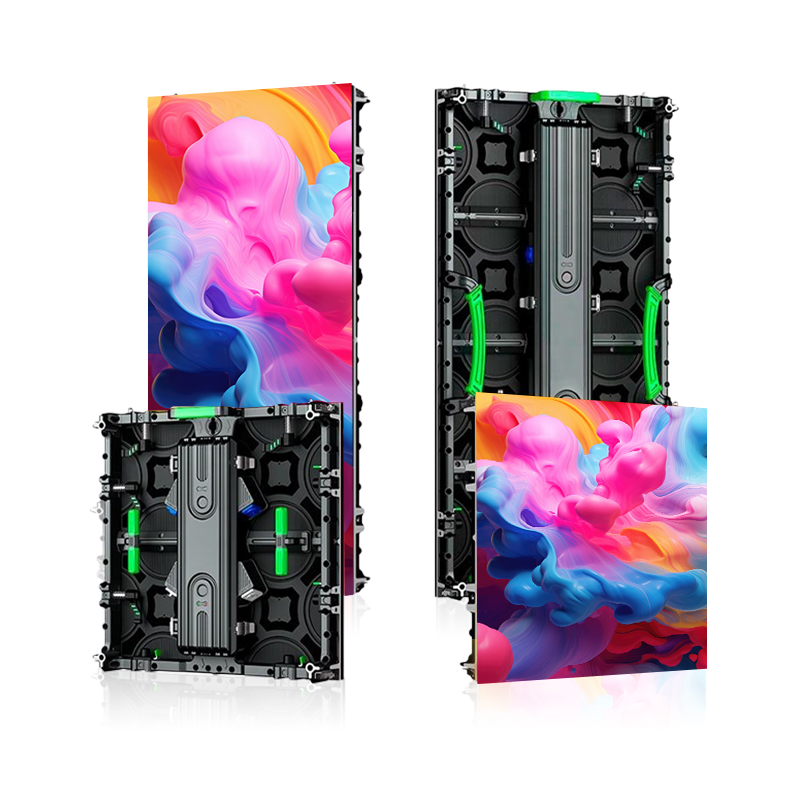
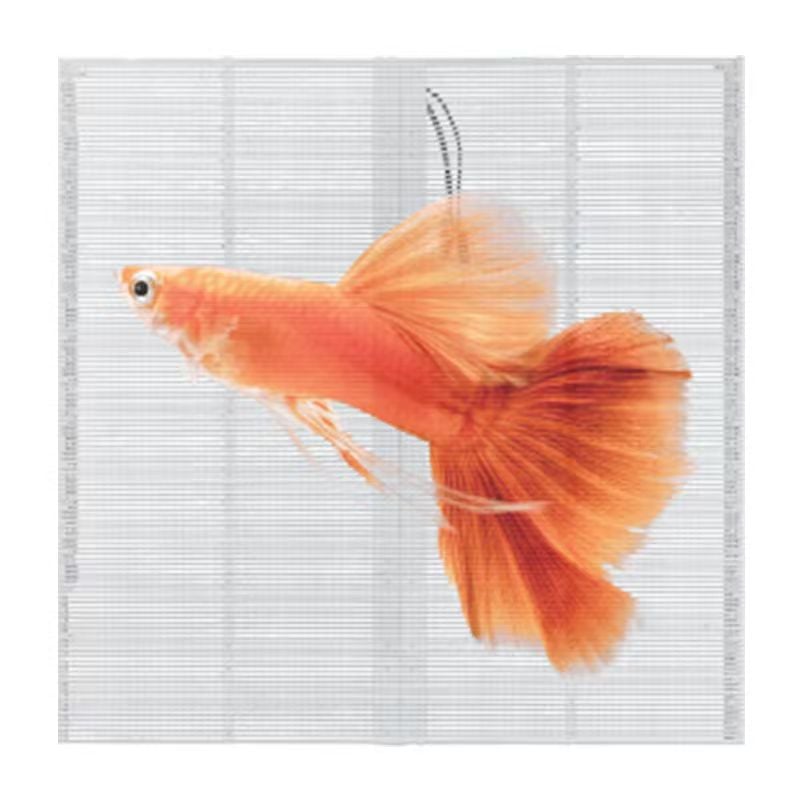
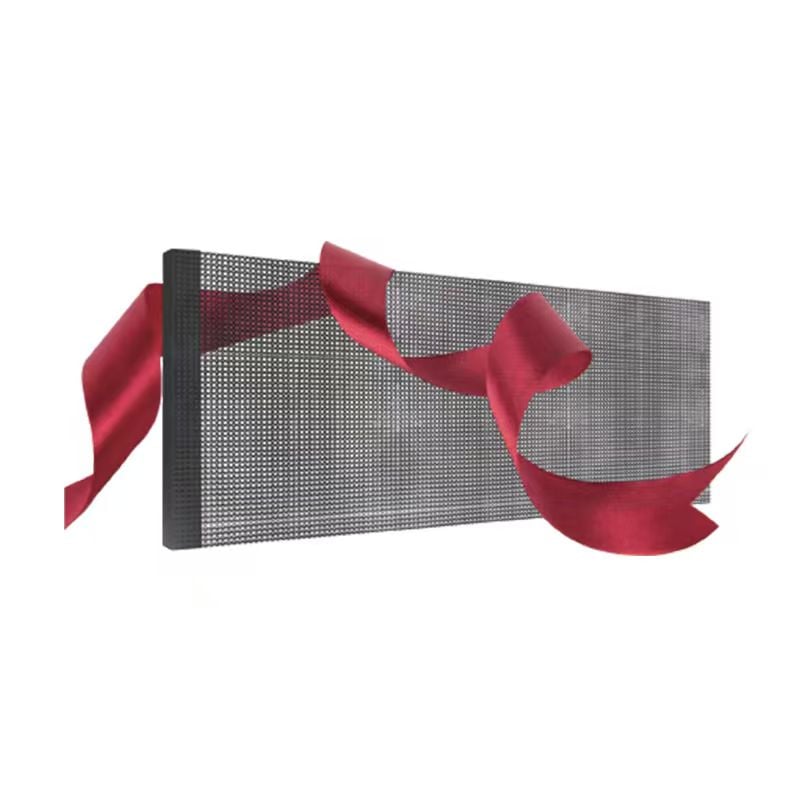
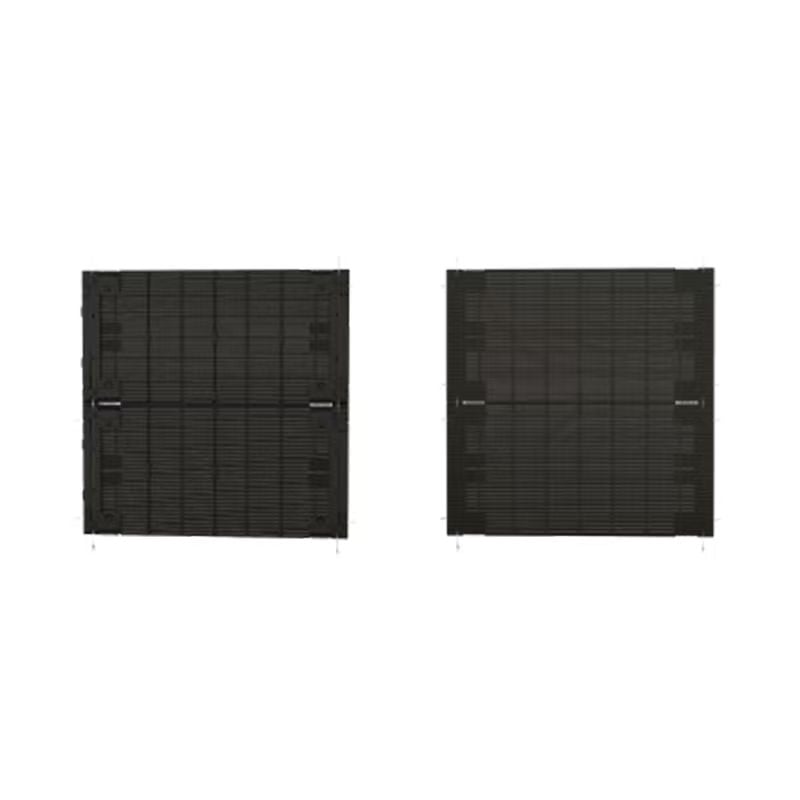
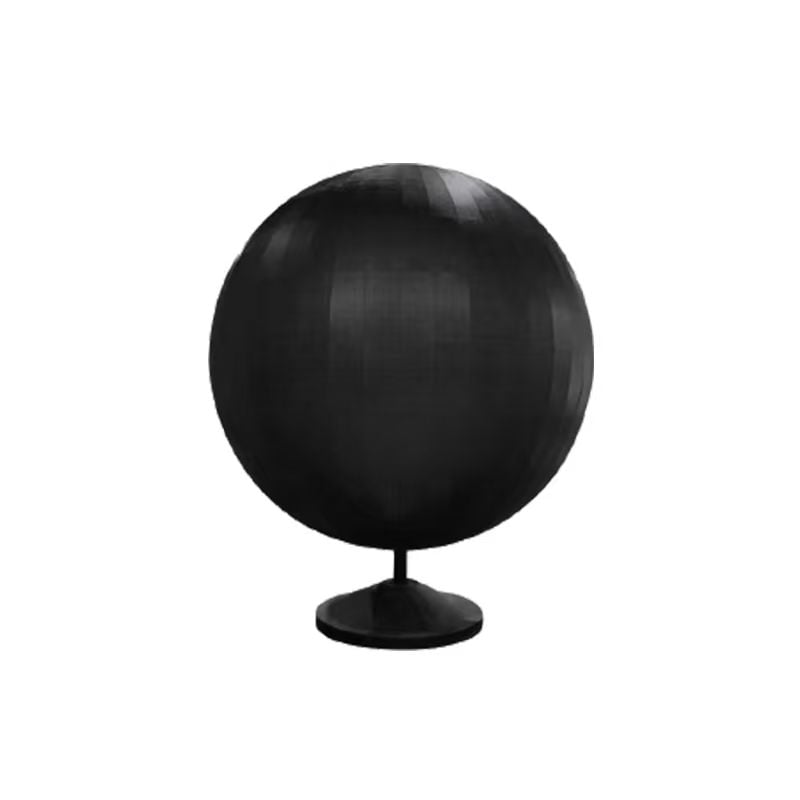
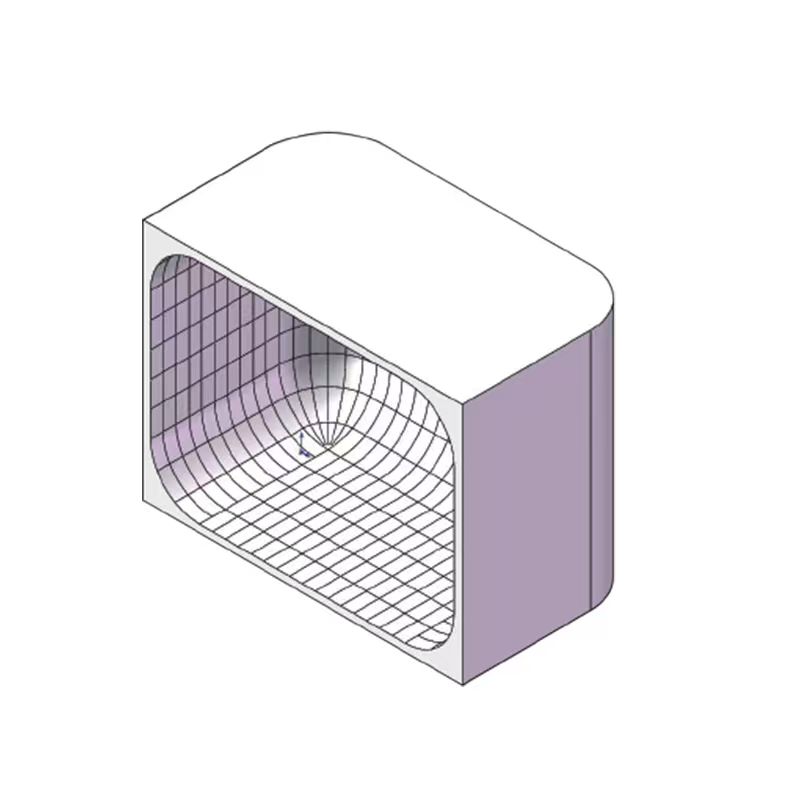
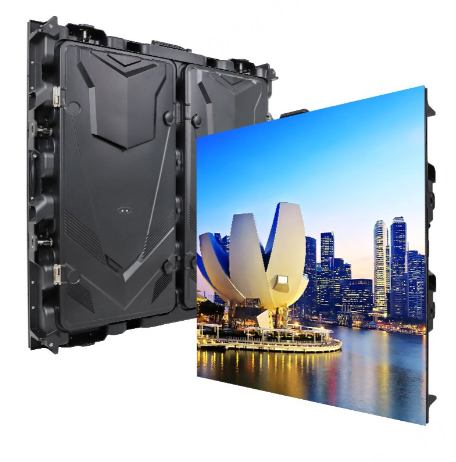
LED displays have taken the advertisement and branding industry by storm, thanks to their ability to convey clear messages and present content with high quality. However, the specific purposes and installation requirements of these advertising screens bring along new considerations. For instance, outdoor advertising LED display screens face environmental challenges, while indoor advertising LED display screens offer notable compatibility without being affected by external factors like temperature variations.
Indoor vs. outdoor LED displays: Which one is more advantageous for advertising? Let's explore!
1.What are the Differences between Indoor and Outdoor LED Displays?
Indoor and outdoor LED display boards possess distinct sets of features that make them suitable for different environments.
Here's a breakdown of both types of LED displays:
Brightness
Brightness plays a crucial role in visibility. Low brightness on a sunny day simply won't do, as it can lead to poor visibility.
Indoor LED display boards typically have a relatively low brightness level, ranging from 600 - 1500 nits. This makes them suitable only for indoor use, where high brightness isn't the top priority.
On the other hand, outdoor LED display boards have a much higher brightness range, from 5000 - 15000 nits. This makes them ideal for sunny days or daylight conditions, ensuring that the content remains clearly visible.
Pixel Pitch
Pixels determine the level of detail and the quality of the image. Closer pixels enhance the overall image resolution and prevent distortion.
Indoor LED display boards usually have a smaller pixel pitch (such as P1.5, P2, P3). This enables them to display high-quality images for close-up viewing indoors. Due to the close viewing distances, indoor LED display boards have a lower pixel density.
In contrast, outdoor LED display boards come with a larger pixel pitch (like P6, P8, P10, P16). This helps maintain high visibility when viewed from a distance in outdoor settings.
Durability
Durability can have a significant impact on the long-term return on investment (ROI). Only a durable solution can offer long-lasting performance.
Indoor screens aren't highly durable as they don't need to withstand extreme conditions. While the construction materials are decent, they lack resistance to weather, water, and temperature fluctuations.
Conversely, outdoor LED display boards are built to last, thanks to their IP-rated environmental resistance. They can endure extreme temperatures and have excellent waterproofing features.
Maintenance
Maintenance should be a straightforward task to ensure longevity and optimal performance of the LED screens.
Indoor LED display boards face fewer environmental challenges. They are less likely to accumulate dust and dirt, and there's no risk of water infiltration or short circuits. Hence, indoor LED screens require less maintenance.
Outdoor LED display boards, however, are exposed to various conditions. Waterproofing and weatherproofing are essential, but this also means they need regular inspection and upkeep, making maintenance a more involved process.
Installation Requirements
Installation requirements depend on the environmental conditions and the necessary protection systems.
Installing indoor LED display boards is relatively straightforward. You just need to decide on the installation method, connect the power source, and test the system. There aren't many complex requirements, and you may not even need to hire experts for the installation.
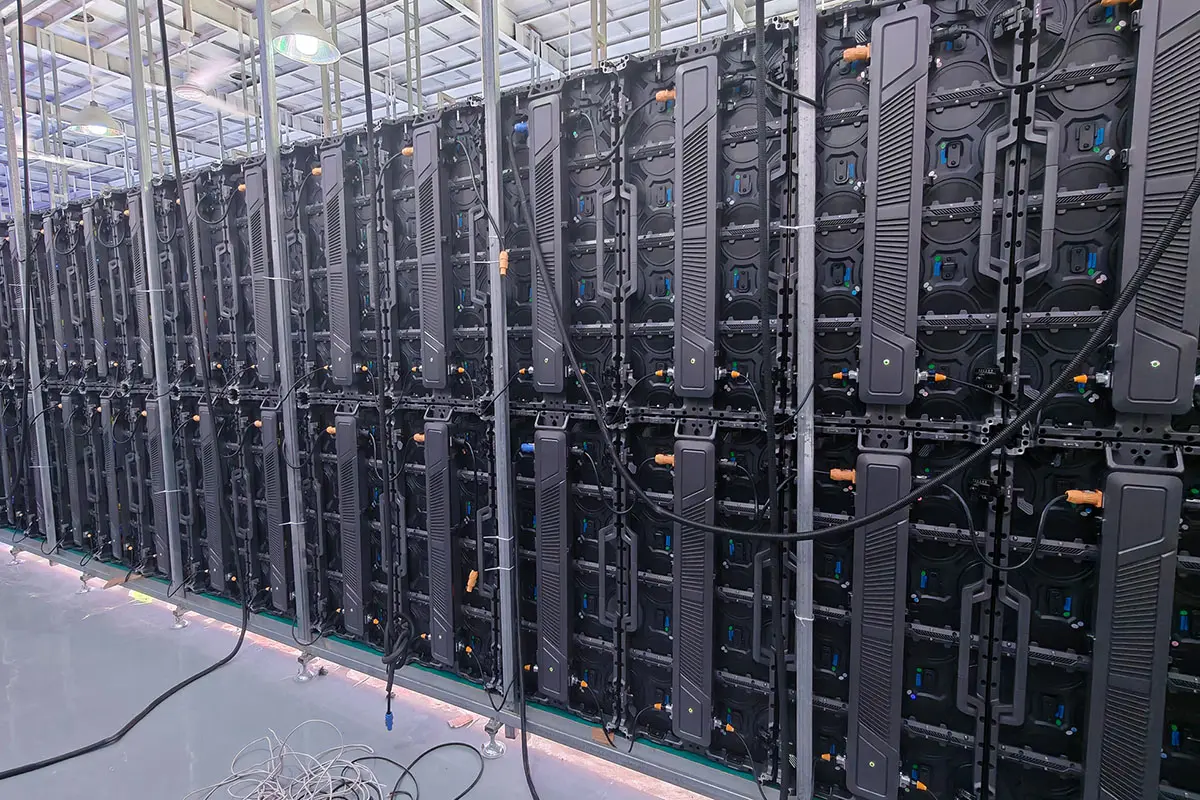
In comparison, outdoor LED display boards involve a more complicated installation process. They require steel structures, solid foundations, waterproof cabling, ventilation systems, and safety approvals to withstand wind and weather. Installing large screens may even call for cranes and other specialized tools.
2.Indoor vs. Outdoor LED Displays: Which Aligns with Your Business Goals?
Before choosing between indoor or outdoor advertising screens, it's essential to consider factors like installation, viewing distances, and other elements that impact your business objectives.
Audience Location
Where is your business located? If your target audience is inside malls, airports, hotels, or offices, an indoor LED display board would be a suitable choice.
However, if your business is storefront-based or operates outdoors and aims to attract the attention of passersby, then outdoor advertising screens are the way to go.
Viewing Distance
Indoor and outdoor spaces have different visibility requirements. For example, an indoor LED display board is designed for close viewing, typically up to 10 meters. If your business caters to the public or pedestrians over a larger area, an outdoor LED display board with a more extended viewing range would be more appropriate.
Lighting Conditions
Indoor advertising LED display screens are effective when targeting an indoor audience in environments with low or controlled lighting. On a sunny day or in a crowded outdoor setting where there's a lot of sunlight, the visibility of indoor advertising LED display screens can be affected. In such cases, an outdoor advertising LED display screen would be preferable.
Durability Needs
Businesses generally seek long-term solutions, but this varies depending on the environmental conditions. Typically, an indoor LED display board is lightweight and not designed to withstand extreme weather.
An outdoor LED display board, on the other hand, is waterproof, dustproof, and resistant to wind, heat, and cold, making it more durable under such conditions.
Pricing
Indoor screens are usually less costly due to their simpler construction and lower brightness requirements.
Outdoor screens are more expensive because of their weatherproofing, high brightness, and durability features.
Expert Tip: Before selecting a screen, clearly understand your business goals and the installation areas. If outdoor installation is required, consider purchasing outdoor LED display boards from RMGLED at a reasonable price.
3.Application Cases in Different Industries and Scenarios (Retail, Hospitality, Event Planning)
Indoor LED Display Board Applications
Indoor LED display applications differ from outdoor ones due to less challenging environmental conditions.
Retail Stores & Shopping Malls
Retail stores need to capture people's attention, promote products, and boost sales. Indoor advertising screens can display promotional videos, product advertisements, and interactive digital menus to engage customers and drive higher sales.
Corporate Offices & Boardrooms
Corporate offices and boardrooms use indoor screens to present projects and explain them effectively. They can highlight product benefits and enhance the visibility of the content.
Airports & Train Stations
At airports and train stations, LEDs are used to show flight schedules, gate numbers, train timings, delays, safety alerts, and advertisements, resulting in better audience engagement.
Concerts & Events
LED walls are useful for various purposes at concerts and events, such as displaying live performances, visuals, or event branding.
Exhibitions & Trade Shows
Suppliers utilize LED screens to advertise and showcase their products. Brand videos, demos, or digital catalogs can be easily exhibited.
Outdoor LED Display Board Applications
Outdoor LED display boards have to contend with environmental challenges like extreme temperatures, wind, and rainy seasons.
Here are some applications to consider:
Billboards & Highways
Billboards on highways use LEDs to convey public service messages and advertise products, engaging a larger number of people.
Transportation Hubs (Bus/Metro Stations)
At metro stations, outdoor LED screens are particularly useful as they can display bus timings, metro schedules, route updates, or emergency alerts, increasing overall user awareness and engagement.
Stadiums & Arenas
Stadiums and arenas are crowded places that rely on outdoor LED display boards to show current games, close-ups of players, and advertisements.
Building Facades & Rooftops
Building facades and rooftops offer new and effective locations for advertisements. They can effectively promote products and spread public awareness messages.
Public Squares & City Centers
In public squares, advertising screens display news, public announcements, entertainment clips, and ads. They face continuous wear and tear due to high foot traffic.
4.Indoor vs. Outdoor LED Displays: Cost Comparison
Indoor LED display boards have prices that are commensurate with their features. Nevertheless, we can compare their initial and long-term costs with those of outdoor LED display boards.
For example:
Initial Investments
The initial price of indoor LED screens is relatively low. This is because they have limited features and don't need to withstand extreme conditions.
Similarly, outdoor LED display boards have a higher initial price due to their more durable features. For instance, they come with IP-rated waterproofing and weatherproofing, and their robust material construction also contributes to the higher cost.
Operational Costs
When it comes to installation and operation, the situations are different as well. Indoor LED screen costs remain lower because of their lower brightness and reduced power consumption. In contrast, outdoor LED display boards have higher electricity costs due to their high power consumption, which is a result of their high brightness and the maintenance requirements.
Long-Term ROI
If you take a long-term view of your business, both indoor and outdoor LED display boards can be effective in generating higher income. However, outdoor LED display boards tend to generate more revenue because of the better visibility of their content in outdoor advertising, which attracts more consumers.
5.Indoor vs. Outdoor LED Displays: Installation Method
How to Install an Indoor LED Display
Indoor advertising LED display screens can be installed using several methods, such as:
- Wall-Mounted Installation
- Recessed / In-Wall Installation
- Ceiling-Suspended Installation
- Freestanding / Ground-Stack Installation
- Curved / Corner-Wrap Installation
You can choose any method based on your requirements and ease of installation.
Here's a step-by-step guide for installing an indoor LED display screen:
Step 1: Site Preparation
First, determine the installation site and then select the appropriate method based on the available space and conditions.
For site preparation, you should:
Check the strength of the wall, ceiling, or floor.Ensure a proper power supply and adequate ventilation.
Step 2: Frame and Mounting
A sturdy frame is essential to prevent the LED screen from falling if it's being mounted on a wall. Additionally, the mounting method matters. Here's what you need to consider:
Install a flat and robust mounting frame or structure.Align it carefully using a laser level to avoid visible gaps.
Step 3: Power and Cabling
An indoor advertising LED display screen requires a power supply. Only high-quality cables and compatible power sources will work. For this, you should:
- Run dedicated power circuits and data cables.
- Keep the cables organized and separate to prevent interference.
- Secure all the wires to avoid electrical damage.
Step 4: Cabinet Installation
LEDs have a modular structure, so cabinet installation is crucial. You should:
- Mount the LED cabinets starting from the center and then work outwards.
- Lock and align each cabinet to ensure a smooth surface.
Step 5: Test Your System
Once you've installed the indoor LED display board, test it to confirm the correct installation.
- Power on and test each module.
- Adjust the brightness, colors, and content mapping.
Step 6: Precautions to Avoid Damage
Electrical connections are important but can also lead to short circuits and electrical damage. Here are some additional things to consider:
- Check the compatibility of the power source. First, verify the voltage and power requirements of the indoor LED display board and match them with the power source. Ensure they match to avoid power surges.
- Allow for ventilation as the LED screens generate heat and need air circulation to maintain the proper temperature.
- Secure the cables properly if they're loose, as this can also cause damage. Use clamps to make them tight.
How to Install an Outdoor LED Display
Installing outdoor LED display boards isn't as simple as indoor installations. You need to carefully select the location and choose an appropriate installation method for durable and long-lasting performance.
Depending on the applications and installation space, here are some installation methods:
- Fixed Billboard Installation
- Monopole / Unipole Installation
- Building Facade / Media Facade Installation
- Rooftop Installation
- Stadium Perimeter / Scoreboard Installation
- Mobile Truck / Trailer Installation
Step 1: Foundation & Structure
The outdoor LED display board is subjected to continuous mechanical and environmental stress. The foundation and structure must be solid to provide support and withstand the elements.
- Build a strong steel structure or pole with proper wind-load calculations.
- Ensure the foundation is deep and stable.
Step 2: Weatherproofing & Power System
Since the LED screens are being installed outdoors, temperature variations are common, and storms and high winds can affect them.
Also, consider the power and data systems for a safe and reliable installation of the outdoor advertising screens.
- Install waterproof enclosures for power and data.
- Add surge protection and grounding for safety.
Step 3: Cabinet Mounting
Mounting the entire LED cabinet with a proper shielding system can prevent damage. Consider the mounting methods and choose the most suitable ones.
- Lift and mount the cabinets securely, starting from the bottom.
- Seal the gaps and joints to prevent water from entering.
Step 4: Electrical & Data Connections
Electrical connections are critical and can pose serious risks, so don't overlook them. Match the power requirements and use high-quality insulated cables that can withstand rainy conditions.
- Connect the power and data cables using waterproof glands.
- Use redundant connections for added reliability.
Step 5: Final Testing & Calibration
Once the entire system is set up, conduct the final testing. Identify any issues and correct them promptly.
- Check the brightness, uniformity, and weather resistance.
-
Set up automatic brightness adjustment using light sensors.
6.Indoor vs. Outdoor LED Displays: Routine Maintenance Considerations
There are some standard maintenance practices that apply to both indoor and outdoor LED display board systems. However, outdoor LED display boards require a few additional maintenance steps.
Routine Inspection
Routine inspection is necessary for both indoor and outdoor LED display board systems. You should establish a daily, weekly, or biweekly schedule to check for malfunctions and dirt.
Cleaning
Cleaning is required for both indoor and outdoor LED display boards. However, you may need to spend less time on indoor LED display boards if they have proper sealing and protection.
On the other hand, outdoor LED display boards require more thorough cleaning of their components due to constant exposure to the environment.
Testing Connections
Testing wires, checking the power source, and ensuring compatibility are essential for both indoor and outdoor LED display boards. However, more time may need to be spent on outdoor LED display boards due to their electrical enclosures and complex installation.
Waterproofing for the Electrical System
Waterproofing the electrical system is necessary for outdoor LED display boards but not for indoor ones. This is an additional step for outdoor advertising screens and requires careful consideration of the environmental conditions.
7.FAQs
- Can indoor LED displays be used outdoors with modifications?
No. You should never try it because an outdoor LED display board has weather protection and waterproofing features. Moreover, they are built using a more durable material to withstand external environmental conditions. So, an indoor LED display board will never survive longer.
- How long do indoor and outdoor LED display boards last?
Both LED screens last longer. However, maintenance matters a lot. For example, an indoor or outdoor LED display board lasts 50,000 to 100,000 hours. If you don’t maintain them, they might be damaged early and lose performance.
- What brightness level (nits) is recommended for outdoor LED screens?
Daylight or a sunny climate can impact the clarity and dim out the images. Therefore, a 5000-nit brightness of an outdoor LED display board is sufficient for daylight. On a sunny day, you should get 10,000 nits of brightness.
- Which industries benefit most from indoor advertising LED display screens?
Indoor advertising LED display screens are a popular choice for retail, hospitality, transportation, corporate offices, and entertainment industries.
8.Conclusion
Choosing between indoor and outdoor LED display boards doesn't have to be complicated. You need to determine your business goals, understand your audience, and then select the most suitable option. For outdoor use, make sure to provide extra protection against weather and temperature conditions. For indoor use, opting for high-quality models will suffice.
Do you want to take advantage of LED display boards? Contact RMGLED, a renowned name in the LED display industry. We offer a comprehensive and high-quality approach to display boards, and you can obtain flawless LED display boards at reasonable prices. Check out our top products now!
 Hot News
 EN
EN