Everywhere you go nowadays for events like concerts, corporate parties, weddings, or even a night out at the club, you are seeing portable LED dance floors popping up. They are a great addition to any type of venue for events or even just a night out to establish a fun, interactive, and captivating experience for the guests attending. One of the most popular features of LED dance floors are their controllable lighting patterns that can sync to the music. However, there are a few challenges that one must overcome to get their lights to sync with the music properly. We'll go over the knowledge that you will need to have to arrange the equipment and set everything up.
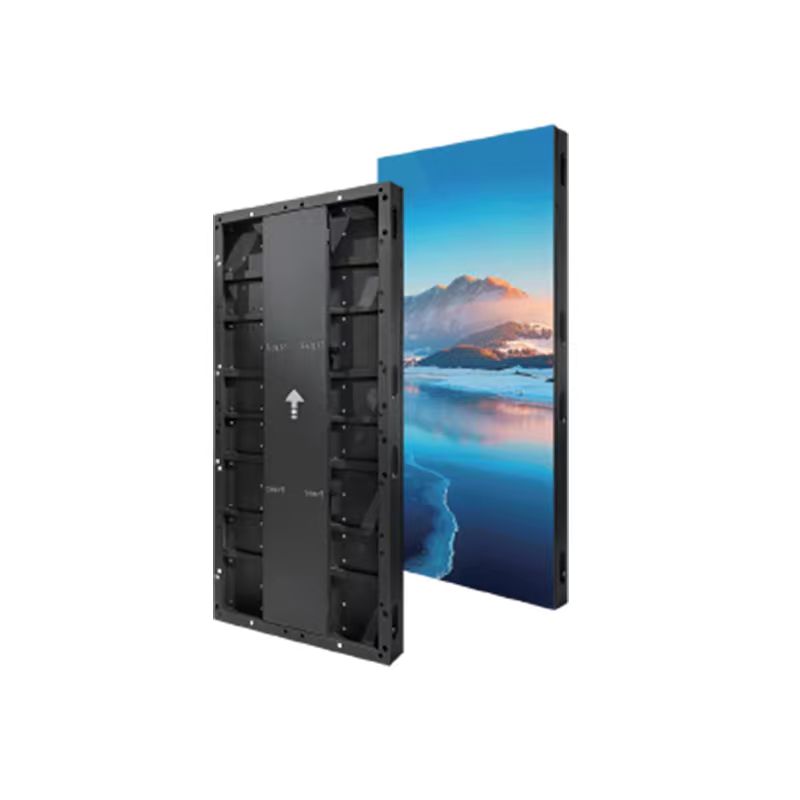
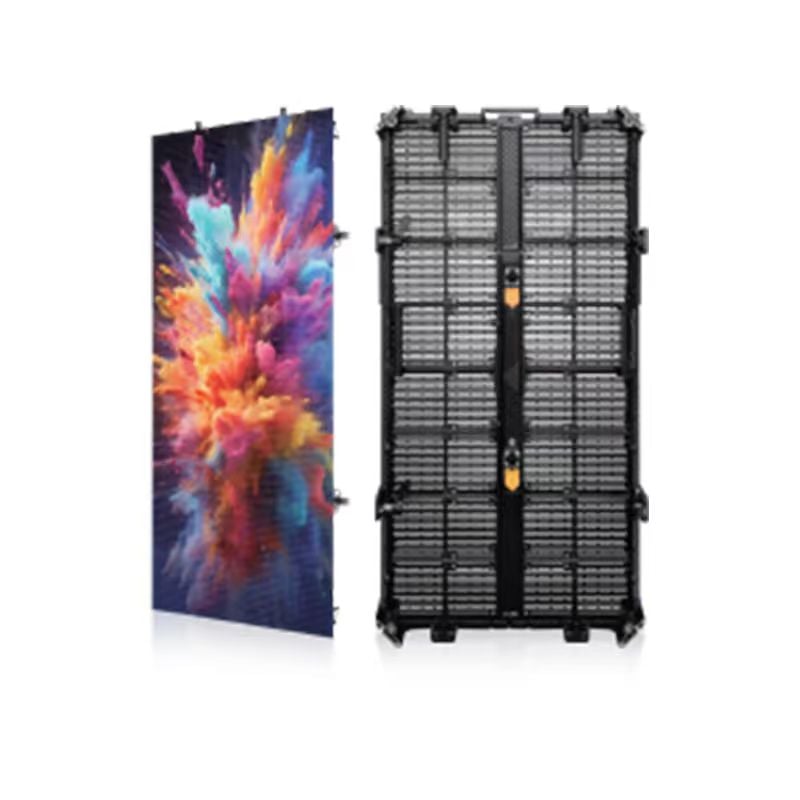
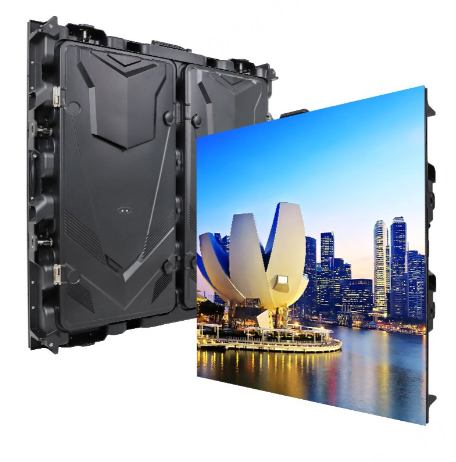
The first thing we should do is understand the main parts of an LED dance floor to accomplish seamless synchronization of the lights and music. Durable LED panels, a control system, connectors, and peripheral devices such as controllers and audio sensors are the parts that make up a premium quality LED dance floor. The control system is the floor's main control unit and it is also where the settings are configured, the light mode is selected, and the music is connected to. The audio sensors tell the control unit to change the light patterns as the music's tempo or beat changes. One of the many providers of professional LED display solutions is Shenzhen RMG Optoelectronics Co. Ltd. They offer advanced control systems and high sensitivity sensors. They are one of the many providers that offer LED dance floors built to withstand wear and tear and also constructed to be multifunctional and usable in a wide range of activities both indoors and outdoors.
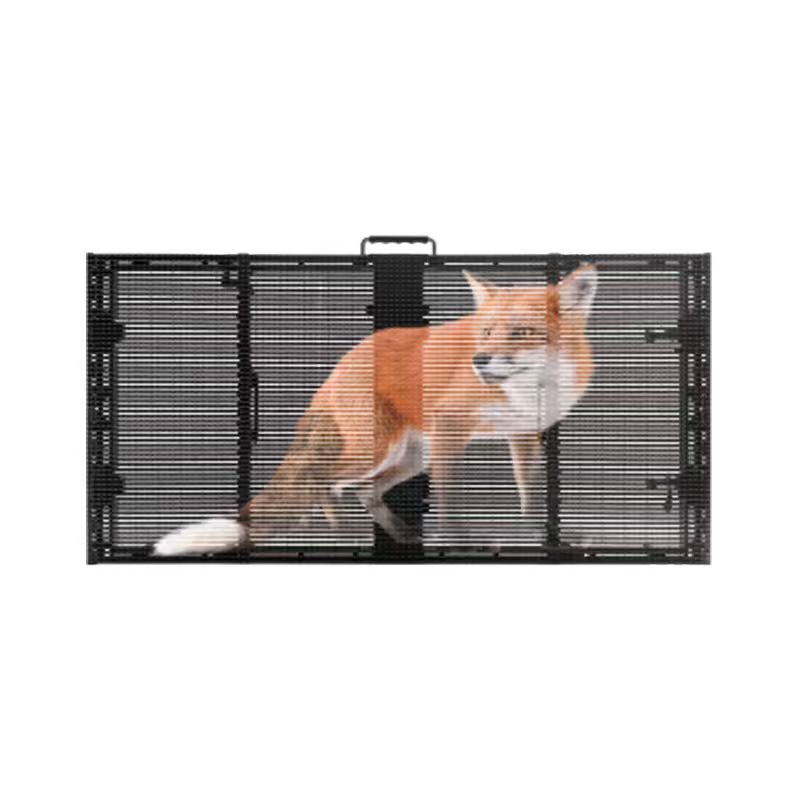
\Selecting the right sync technology is paramount for spectacular music and light integration to your led dance floor. There are several common sync methods and each have their own pros and use cases. The easiest is audio input sync. In this case, the control system of the led dance floor captures audio signals directly from a music player, audio mixer or microphone. This technology captures music frequencies and amplitudes to lights triggering for certain beats. Another common and straightforward choice is wireless sync via Bluetooth or Wi-Fi which allows the led dance floor to connect seamlessly with mobile devices or music players. For more sophisticated configurations, DMX512 sync is the best choice because of central control over several led dance floors and lighting. This is great for more extensive events like concerts or festivals. The RMG LED dance floors support several types of sync configurations which allows customers to use the type that suits their event the best while providing guarantees for successful sync in a lot of different cases.
Choosing the type of music and audio file affects how well the LED dance floor syncs. To get the best accuracy, pick audio recordings that have well-defined beats and little background noise, and use high-quality audio recordings. The audio file type matters, and it should be in MP3, WAV, and FLAC, as these file types keep the sound frequencies better. The audio settings of the LED dance floor's control center can be changed to improve the sync accuracy. Control systems let users change the sensitivity of the audio sensor. This can be set to detect little beats or be set to focus on a strong bass. Scanner equalizers can be adjusted to try and find a good range of beats, and the range can even be set so that the LED set lights up. During a live event, the light and sound levels should be balanced to keep the LED dance floor from inconsistent inputs. RMG LED helps their customers by giving synchronization guides and optimizing the audio settings to allow floor lights to sync to any music from any genre.
Because of the unique beats and sentiments of each genre of music, tailoring the color displays of the LED dance floor for each genre reinforces and adds to the musical experience of the floor. Fast-paced colors like strobing and color-cycling are good for the pop, disco and electronic dance music styles. Softer, slower colors like steady pulses, color burnout fades, and smooth washes work better for slower styles like jazz, r&b, and ballads. ease of genre-synched displays is popular in many LED dance floor control systems, and even novice users appreciate the ease of switching styles. More advanced users create custom color tracks for and control displays to match song structure and key moments of the music. RMG LED’s LED dance floors are Light the Spectrum, (RGB) and offer displays of custom colors and patterns, facilitating unique experiences for their users.
It is important to consider and verify that equipment is properly calibrated and that there will not be any compatibility issues with the syncing from the LED dance floor. Before starting the setup process for any event, make sure that the LED dance floor you are planning on using is compatible with the music player, mixer, or lighting control system that you are planning on bringing. Check the connection ports, like USB, HDMI or DMX, to ensure there will not be any issues when connecting to the dance floor. You will also want to make sure the control system calibrates to the LED dance floor and the music to ensure the sensors calibrate to the correct song. With most floor systems you will be able to calibrate the systems to make sure that the lighting changes with the beat of the music. If you want to avoid any calibration issues you should take the time to get as many song beats and make sure that they dance and light up with the floor to ensure that the system is not going to be calibrated to one song. RMG LED will help you calibrate system and do the equipment compatibility to ensure that their LED dance floors will work great every time.
Certain aspects of your environment and practical considerations will impact how well an LED dance floor syncs to the beat of the music. Acoustic properties of your venue should be considered when placing the audio sensor. Make sure the sensor has a clear line of sight to the speakers and is not placed in an area of audio interference. Also, keep in mind that outer lighting may wash out the dance floor's LED effects. Your venue's lighting may need to be dimmed, or the venue may need blackout curtains to allow the floor's lighting to really shine, pun intended. If the event is outdoors, be sure to select an LED dance floor that is weatherproof and abrasion resistant, such as RMG LED's outdoor waterproof LED screens. Finally, take your power supply into consideration. Synchronization issues can result from fluctuations in your power supply, so it is a good idea to use a heavy-duty power supply or a backup generator to keep the power supply consistent and avoid headaches.
To summarize the optimization process when pairing the beats of a song with the lights of an LED dance floor is an understanding of the equipment, the selection of technology, proper adjustments of parameters, tailored changes, plugs of coordination, and the consideration of applicable elements. Shenzhen
RMG Optoelectronics Co. Ltd. LED dance floors with advanced functionality and reliable performance will seamlessly meet the sync needs of music and the lighting. It doesn't matter if it is a small private party or a giant public party, an LED dance floor will certainly improve the experience and the atmosphere.
 Hot News
2026-06-23
2026-06-22
2026-06-11
2026-06-01
2026-05-20
2026-05-14

Professional Integrated LED Display Solution Provider
 EN
EN