EN
EN

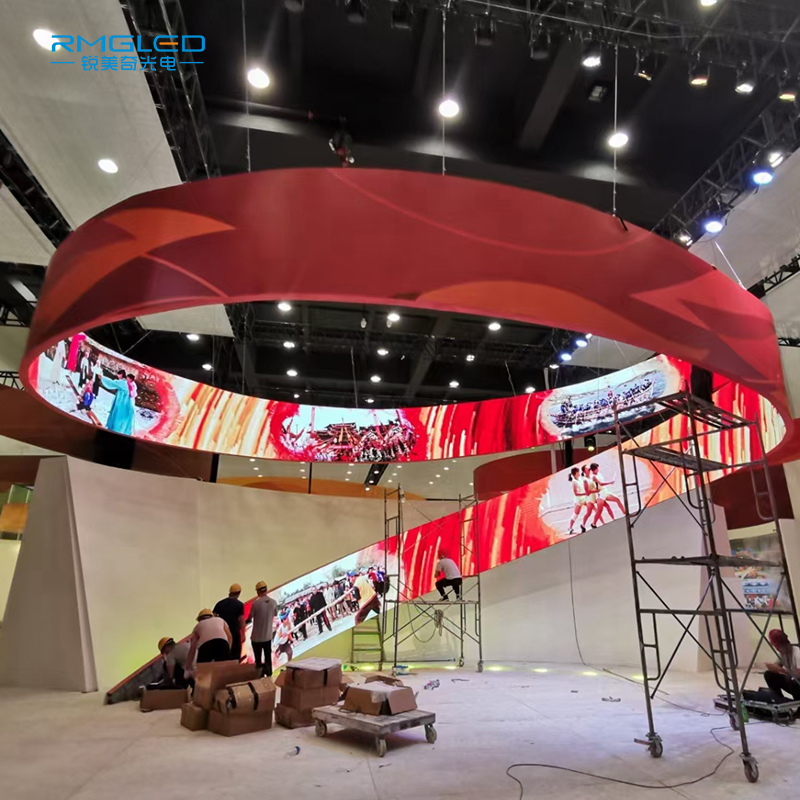
Understanding LED Wall Panel Thickness and Impact on Space-Saving Installations
Why Thickness Matters: Depth Clearance, Structural Load, and Visual Integration
LED wall panel thickness is an installation cost driver in spatially constrained installations. Ultra-thin panels that measure between 5-8mm can eliminate 90% of the installation depth compared to the 100mm box displays of the past. Additionally, these panel systems can weigh 70% less, and thus can require far less structural support if mounted on a ceiling or a column. Additionally, wall panels that measure less than 70mm can fully recess into walls and therefore eliminate the need for support frames in bulk, preserving the walls’ architectural aesthetics features in places like corporate lobbies and high-end retail stores. It is important to recognize that extremely thin panels can require highly effective design and engineering of the support structure to carry the panels. Panels can bend no more than 25 degrees or else they will fail completely in 6 months. Just like the previous generation of ultra-thin panels, today’s ultra-slim panels can sustain these limits of bending with the use of advanced engineering of the support structure and the panel’s thermal engineering.
The Sub-70mm Benchmark: How Ultra Slim LED Wall Panels Enable Retrofit And Urban Deployments
Sub-70mm wall panels eliminate construction constraints, particularly in building retrofits involving elevator shafts, tall narrow columns, and sometimes even walls in buildings that are several decades old. The ultra-slim design of these panels helps to improve installation and assembly safety on site, as the time needed to install the panels has been reduced by 30% due to wireless connectivity and a modular panel design. Additionally, these panels were able to connect curved walls of kiosks and subway tunnels in metropolitan areas, where the panels would not interfere with the normal flow of people. Sized for ultra-slim and extremely lightweight designs, these panels can be used in 24 hours a day, 7 days a week dynamic spaces, such as airports, where the panels can be changed in less than 20 minutes.
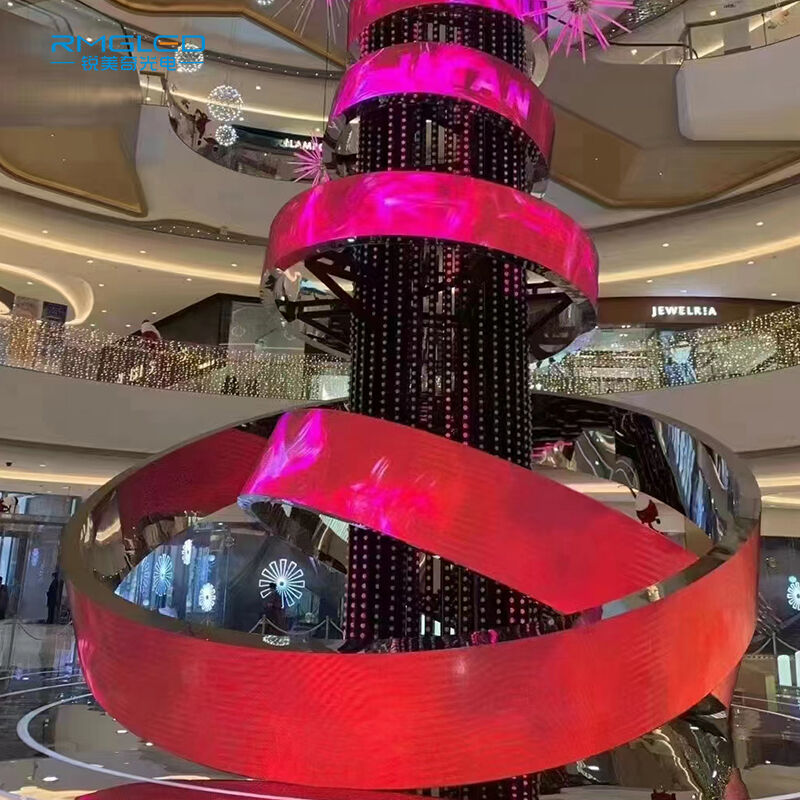
Optimal LED Wall Panel Thickness Based on Installation Environment
Recessed, Ceiling-Mounted, and Tight-Cavity Indoor Applications
Indoor environments typically have less demanding conditions than outdoor environments, and as a result, the standard for constrained deployment is less than 70mm thick. Since the conditions outdoors are more demanding, the panels have to be thicker to meet those standards, but in indoor environments, the panels can be thinner because they do not have to be weatherproofed and do not have to meet the same performance standards. In particular:
Panels can be as thick as 60mm and extend recessed mounting by 40%, enabling recessed panels in built-in wall cavities and built-in soffits.
Ceiling mount panels can be as thick as 55mm without causing an overload to the ceiling grid.
Service access can be eliminated to wall panels that are less than 100mm, and maintenance can be performed through the front of the panels.
The interior pixel density of 1.2 to 2.5 and brightness of 500 to 800 nits, used to provide sharp visuals, can be achieved without adding the depth that is typically found in outdoor panels that incorporate the thermal and weather protection layers.
Outdoor and Hybrid Applications
LED wall panels that are used outdoors have to be thicker to incorporate outdoor environments. IP65 rated protective weather enclosures result in added depths of 15-30mm, and compared to indoor systems, the active cooling systems increase the depth of the panels by 25%. The protective UV coatings result in a reinforced structure of the framing. Studies show that outdoor panels that are less than 80mm in thickness do not have adequate cooling for outdoor environments and can have a maximum brightness of up to 30% after exhibiting prolonged use in an outdoor environment. Most hybrid systems that are partially sheltered settle on a thickness range of 90 to 110mm to provide adequate cooling. Protective sealing for outdoor panels create voids in depth. Retrofits to outdoor panels can be achieved by precisely controlling the thickness and protective sealing.
How LED Wall Panel Thickness Reflects System Design Intelligence
Thermal Architecture: Dual Layered Heat Dissipation in 60mm LED Wall Panels
60mm thick LED wall panels utilize intelligent engineering for thermal management rather than brute force. Dual layered heat dissipation separates heat intensive components (drivers and power supplies) from the display layer using heat conductive aluminum and micro-channel cooling. This lateral heat transfer eliminates hot spots, reduces thermal resistance 40% when compared to conventional passive thermal management, and maintains consistent brightness and color even in prolonged operation in confined spaces with limited ventilation.
Structural Implications: Mounting Flexibility and Framing for Low Thickness
Thin LED wall panels extend structural possibilities. Panels under 70mm can be mounted flush and true with tight radius curves that are physically impossible with other displays. Integrated magnesium alloy framing eliminates external trusses, weighs under 10 kg/m², and maintains structural integrity. As a result, they can be suspended from a ceiling, wrapped around a column, and recessed without needing additional structural supports, which is essential when retrofitting into existing walls or used in historic buildings. Even less supporting load means simplified mounting hardware and lower costs for infrastructure in the long run.
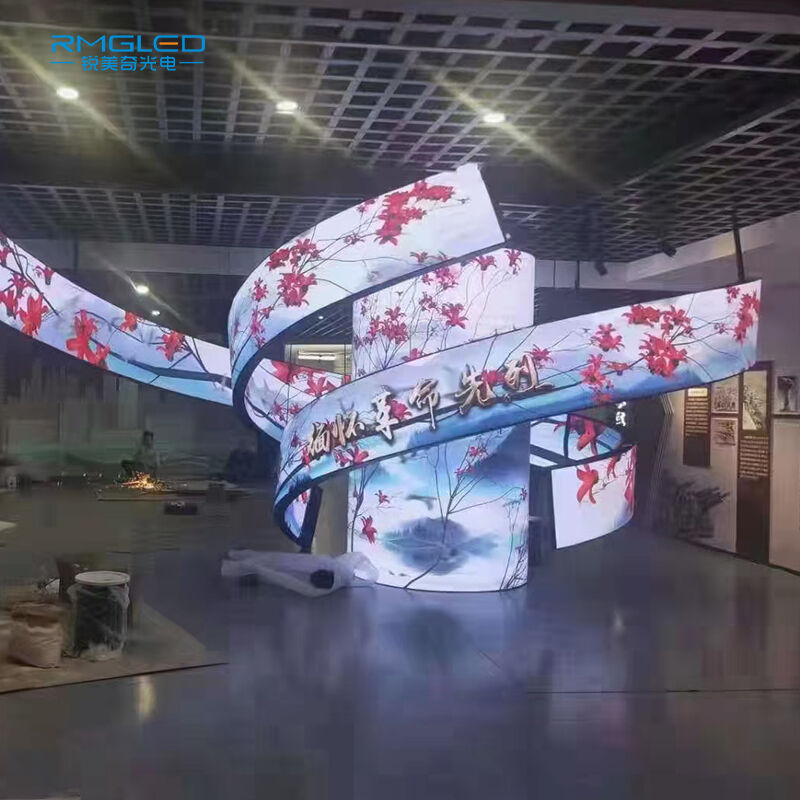
Matching LED Wall Panel Thickness to Real-World Application
Matching LED wall thickness to the needs of a specific application calls for a thoughtful integration of architectural and technical considerations. In the context of historic building restoration, or for space-constrained retail kiosks, LED wall panels of less than 70 mm thickness have the potential to meet both the technical and architectural needs of a project. Deep cavities of less than 80mm can accommodate the display as well. Outdoor applications usually need 80mm-100mm panels. This thickness allows the panel to accommodate a thermal management and environmental protection system, which minimizes the loss of display brightness and maximizes the service life of the display in extreme environments. Thickness affects the structural performance of the panel. For suspended applications, ultra-thin panels reduce the mounting load by 40%. On the other hand, dust and moisture protection barriers are incorporated in thicker panels. The trade-offs for the installation depth, exposure to the environment, and accessibility of the system during service must be made to properly balance the depth of each panel.
Frequently Asked Questions (FAQ)
1. How thick is an ultra-slim LED Wall Panel?
Ultra-slim LED wall panels are typically between 5mm and 8mm thick, and they provide an installation depth reduction of up to 90% compared to traditional displays.
2. Why are sub-70mm LED Panels preferable for indoor applications?
Indoor installations benefit from sub-70mm panels because they can fit into tight, recessed cavities, remove bulky framing, and provide interior display needs for adequate luminance and pixel density.
3. What issues do thinner outdoor panels have to deal with?
Thin outdoor panels have issues dealing with less efficient thermal management, loss of brightness while being exposed to sun and other extreme environments, and poorer protection against the ingress of elements.
What is the effect of panel thickness on mounting flexibility?
Thinner panels, like sub-70mm designs, allow for flush mounting and lightweight designs, ultimately resulting in less need for heavy structural supports.
Why are sub-70mm panels advantageous in retrofitting projects?
Because of their reduced thickness, sub-70mm panels can easily be integrated into retrofitting projects, helping to maintain the original design and allowing for placement in tight, historical spaces.