EN
EN

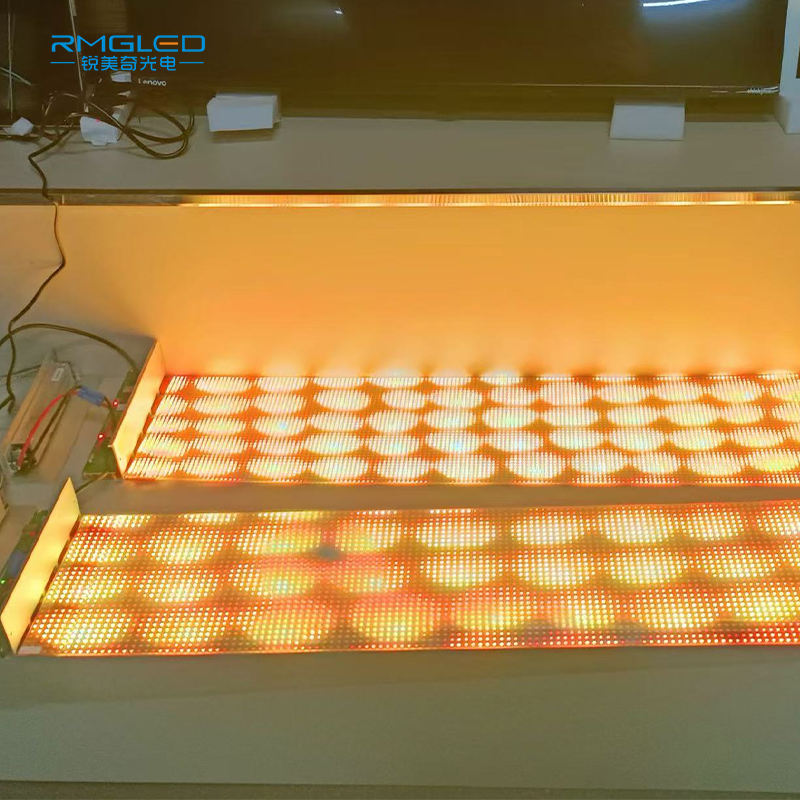
Backlight Architecture and Panel-Driven Power Dynamics
The baseline power draw of any display screen is primarily determined by its backlight architecture and panel technology. For sustained brightness levels typical of 24/7 commercial use (500–800 nits), these hardware choices dictate efficiency more than software optimization.
-
LED vs. IPS: Modern LED-backlit displays consume 30–40% less energy than legacy CCFL screens. However, panel choice matters: In-Plane Switching (IPS) panels—preferred for wide viewing angles—require higher backlight output than Twisted Nematic (TN) panels, increasing power draw by 10–15%.
-
Optical Bonding: By eliminating the air gap between cover glass and the panel, optical bonding improves light transmission, reducing the required backlight intensity by up to 15%.
Mini-LED and Micro-LED: Efficiency Gains
Mini-LED backlights utilize hundreds of dimming zones to reduce power consumption by up to 50% when displaying dark content. While driver circuitry adds a modest 2–5% overhead, the net energy savings remain significant for mixed-content environments. Micro-LED further advances this by using self-emissive pixels, effectively halving power use versus Mini-LED, though current cost constraints largely limit this to high-end commercial installations.
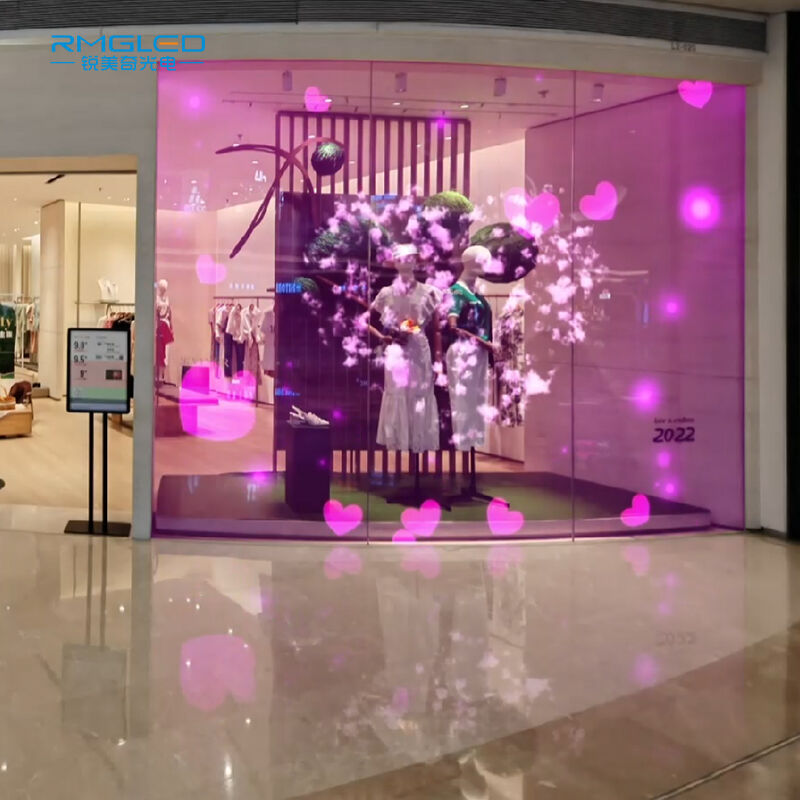
Real-World Power Behavior Under 24/7 Load
Theoretical efficiency often diverges from reality during continuous operation.
-
Thermal Throttling: Continuous operation leads to internal heat buildup. To protect components, drivers may throttle current, which can paradoxically increase average power draw by 10–15% over time. Choosing displays with reinforced heatsinks is critical for long-term efficiency.
-
Content Type Impact: On LCDs, full-motion video can increase average power draw by 20–30% compared to static content. Conversely, self-emissive panels like OLED or Micro-LED benefit from dynamic content as it distributes pixel load and prevents burn-in.
Optimizing Display Screen Energy Consumption
For commercial deployments, hardware selection must be paired with intelligent management.
| Strategy | Technology | Expected Savings |
| Adaptive Backlight | Ambient Light Sensors | 20–30% |
| Centralized Control | RDM/OMC Platforms | Fleet-wide efficiency |
| Advanced Panel | Optical Bonding | ~15% Light boost |
Implementing RDM/OMC for Real-Time Energy Savings
Optimization requires system-level management. Remote Device Management (RDM) and Operation Maintenance Center (OMC) platforms enable centralized control over brightness and power states. When integrated with ambient light sensors, adaptive backlight control automatically dims luminance during low-light conditions, drastically lowering utility demand charges and cooling infrastructure strain.