EN
EN

In today’s fast-paced enterprise landscape, modern digital signage is no longer just a content display—it is a mission-critical communication tool. Continuous uptime is the benchmark for success. To achieve this, organizations must shift from reactive "fire-drill" troubleshooting to a model of proactive oversight and predictive maintenance.
Remote Monitoring and Automated Recovery
True reliability starts with real-time health telemetry. By embedding sensors in every display, you can monitor core parameters: temperature, power status, network connectivity, and playback integrity.
-
Automated Remediation: When thresholds are breached (e.g., internal temperature >70°C), automated scripts trigger immediate recovery—restarting media players or reloading content from local caches.
-
Centralized Dashboards: Aggregate telemetry across thousands of screens to surface emerging issues before they impact your audience.
Predictive Analytics: Preventing Hardware and Firmware Decay
Firmware drift and configuration decay are silent killers of display reliability. Predictive analytics mitigates these risks by forecasting failure likelihood rather than relying on fixed calendar schedules.
Key early warning indicators include:
-
Memory Growth: Gradual increases in resource consumption.
-
Boot Latency: Increased startup times.
-
API Timeouts: Recurring network handshake failures.
The Solution: Trigger targeted interventions like selective firmware patches, configuration validation, or scheduled reboots based on actual device behavior.
Commercial vs. Consumer Panels: Why Duty Cycle Matters
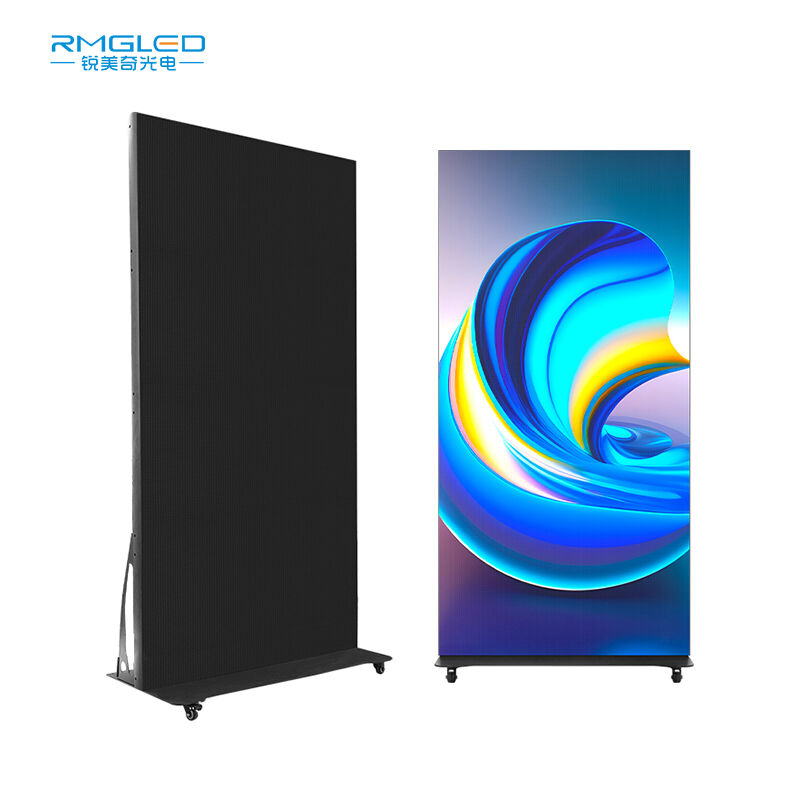
Commercial-grade displays are engineered for mission-critical operation. Unlike consumer panels built for 8-hour daily use, commercial units support 24/7 duty cycles with lifespans often exceeding 100,000 hours.
| Specification | Consumer Panel | Commercial Display |
| Duty Cycle | 8–12 Hours/Day | 24/7 Continuous |
| Thermal Architecture | Passive/Limited | Active Cooling/Industrial Grade |
| Typical MTBF | ~30,000 Hours | >50,000 Hours |
Scaling with Zero-Trust Security
Your signage network is part of your IT infrastructure and must be secured accordingly.
-
Zero-Trust Management: Enforce device identity verification before granting diagnostic access.
-
Encrypted Updates: Ensure all OTA (Over-the-Air) firmware updates are delivered via TLS 1.3 encrypted channels.
-
RBAC (Role-Based Access Control): Precisely map permissions to job functions (e.g., content managers cannot modify network settings).
Sustainable Growth Through Tiered Support
Move beyond break-fix support. A structured, tiered service model—ranging from remote health reporting to on-site hardware refreshes and annual environmental audits—reduces unplanned outages by up to 42%.