EN
EN
The Silent Failure Problem: Unmonitored Distributed LED Advertising Screens Impact Revenue and Brand Damage
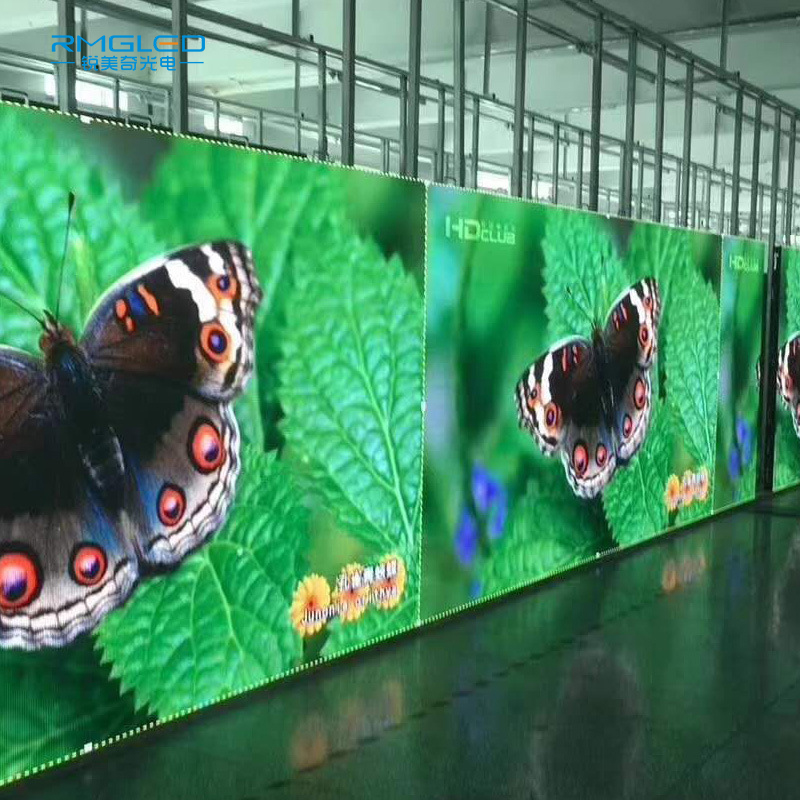
Remote placed LED advertising screens can fail silently, and there is no one to monitor the failures. When the screens are black or malfunction, every minute of advertising is losing them money. The Ponemon Institute, in last year's research, estimate that each digital billboard brings in approximately $740.000 in advertising revenue. When digital billboards are not working, the advertising company loses tens of thousands of dollars. Also, the value of people’s perception of the brand associated with the advertising display is negatively impacted. An advertisement that shows a malfunctioning video is an echoes the brand as cheap and unreliable. The same applies to digital billboards displaying community public interests messages. Improper community messages digital billboards or ad videos that show community messages negatively impact brand reputation associated with the malfunctioning advertisement video. The perception created in the minds of those who encounter a frozen advertisement is a lasting perception. There are multiple reasons why severe advertising display failures go unnoticed. Monitoring and automatic fault notifications eliminate the ambiguity of advertising display failures and allow for timely corrective action.Operational Risk: Content Blackouts, Sync Failures, Hardware Failures, and Network Failures
The four major threats to operational risk include:
- Content Blackouts: Media players fail, or files become corrupted, resulting in blank advertisements, which is devastating during peak engagement periods.
- Sync failures: Interruptions in advertising campaigns run simultaneously planned across multiple screens or other devices, resulting in inconsistent messaging to viewers.
- Hardware failures: Overheating controllers and failing power supplies account for 63% of system failures (Digital Signage Federation, 2023).
- Network failures: When network connectivity is broken between the primary server, and the remote screens, the scheduled content does not update.
When problems occur, they often become cumulative. For example, the single event of an unexpected temperature rise in the host computer’s system, resulting in the failure of one or more components, could lead to the blackout of certain content, and the occurrence of multiple system-related synchronization problems. Anticipating problems through monitoring enables the early identification of systems that display unusual activity, such as excessive CPU usage. Regular monitoring of the network, within a few minutes time, enables uninterrupted system operation and the flow of information as it is supposed to. 24/7 monitoring is crucial in preventing operational problems. Small technical problems remain that turn into major problems that cause operational failures for hours, lost revenue, and eroded customer confidence.
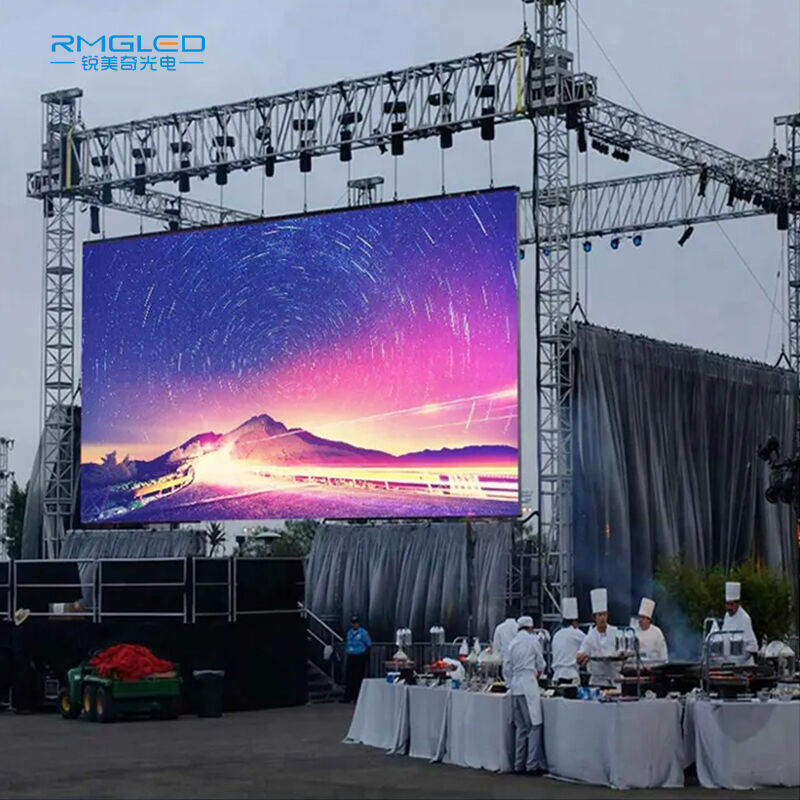
Most Important Features of Monitoring System for Real-Time LED Advertising Screens
Telemetry of Hardware Including CPU, Temperature, Power, and Signal Integrity
For LED modules, the built in sensors monitor temperature and activate the cooling system just in time to prevent a meltdown.For the power monitoring modules, they monitor how stable the 5V DC circuits are for mini blackouts, so the power jolts are not floating too high. For the CPU, the sensors monitor for bottleneck processing when the latest High-Definition videos are being streamed. Another check is to see if the desired data is transferred from one module to another. A combination of these diagnostic tools can signal hardware issues. In advance to anything fully breaking down, the maintenance crew is notified of issues like loose connectors or failing power supplies.
Across all the systems continuous monitoring has proven to reduce hardware related downtimes by 60%. This range, however, will take time, measurements, and systems to get fully implemented.Tools that create check-in capability and automatic updates to maintenance logs will enable continuous monitoring. The initial set up will be time consuming and will require effort, as systems will need to be integrated.
Software & Network Layers: Playback Verification, Content Cache Health, and API-Based Connectivity Verification
Software systems focus on aspects beyond hardware. They focus on the method of content delivery and the performance of the network. The playback verification tests work by comparing screens and identifying sync problems instantly. The verification tests of the content caches provide assurance and verification of available spaces to store new media, to avoid interruptions during playback streaming. For connectivity, we verify the APIs to legitimize the communication between controllers and the cloud servers, and to verify the presence of packet loss and latency, when data transmission occurs through mobile towers or fiber optic cables. When something goes wrong, automated alerts pop up and indicate the type of issue. All of the identified issues collected can be turned useful and provide value to the data contained, It can also improve the appearance of the LED advertising network.
Remote Management and Predictive Diagnostics for LED Advertising Screens
Going from Reactive to Proactive: Automated Health Scoring and Anomaly Detection
LED advertising screens that utilize reactive maintenance tend to require a great deal of money spent to maintain function. Research from the Ponemon Institute in 2023 suggests that unnecessary downtime of digital signage networks costs around $740,000 each year. Newer systems are beginning to implement something called automated health scoring. Live sensor data concerning the temperature of individual components, the amount of energy an LED component consumes, the playback status of the content, and the status of packet losses, etc. are analyzed. Smart computer programs then learn to recognize normal operational thresholds and to detect abnormalities when operations deviate from normal parameters. A good example is that of the voltage supply applied to the pixel drivers. Automated systems are able to detect and report anomalies well in advance before physical intervention is required. Companies are able to prevent 67% of potential breakdowns. Maintenance becomes more about planning, and less about reactive scrambling.
Technicians have access to dashboards that show them how various components degrade over time, which tells them how to preemptively replace components when there is little to no opportunity for a site visit due to a decrease in screen usage.
One-Click Remote Actions applies to Reboot, Firmware Rollback, Playlist Reset, and Input Source Switching.
Provided with a single centralized platform, each recurring issue can be resolved without the need for a technician to visit the site.
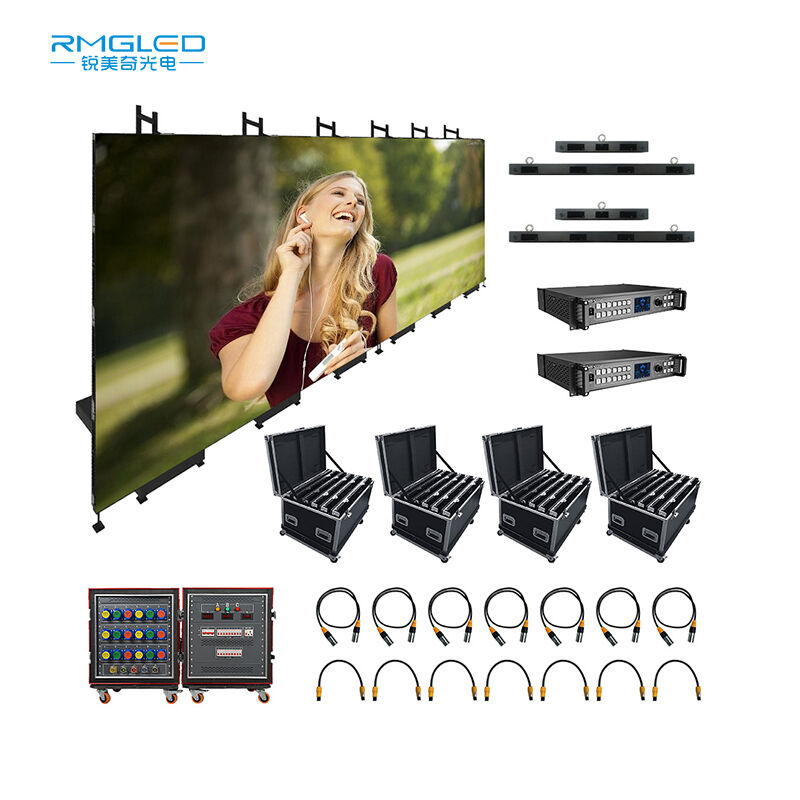
Action Use Case Impact
Reboot Frozen content Software glitches resolved 92% of the time
Firmware Rollback Instability caused by updates Technician dispatch time reduced by more than 5 hours
Playlist Reset Corrupted media files Recovered media content in less than 90 seconds
Input Switching Signal source does not work Ad continuity during events
These remote capabilities have an average of 74% less mean time to repair (MTTR) than a manual process. Kickstart remote control with synchronized rollback pre-sets ensures that all screens display the same version during important marketing campaigns. The system is designed to automatically audit the logs to display all actions completed to meet compliance and will identify failure patterns.
Measuring Success: How Downtime Reduction Affects ROI for Real Time Monitoring of LED Advertising Screens
Real time monitoring systems are an investment that pays off. Think about the lost opportunities due to ads not running. Think about the big shopping malls and transportation hubs where running ads costs thousands of dollars for a minute and because of that screens must be running ads every minute. Most companies that have access to equipment monitoring report a decrease in unexpected downtime between 40 to 60 percent. Less downtime means more ads and more revenue. Real time monitoring systems drastically increase ad revenue while improving brand visibility and keeping revenue streams secure.
It is often best practice to calculate ROI from comparing monitoring system costs against these three savings:
Revenue Preservation: Preventing content blackouts during peak advertising periods
Reduction in Maintenance: Fewer emergency service calls due to predictive diagnostics
Better Energy Use: Used with analytics to optimize power usage
ROI Factor | Impact Measurement
| ROI Factor | Impact Measurement |
| Downtime reduction | Uptime % increase compared to baseline |
| Operational savings | Reduction in emergency maintenance costs |
| Extended hardware lifespan | Postponed cycles of capital replacements |
These savings in monitoring systems over a typical three-year lifecycle often yield 150-200% ROI with a self-funding period of 12-18 months. The most effective deployments combine automated response protocols with real time alerts to maximize available screens during critical advertising time slots.
FAQ
Why is real time monitoring of LED advertising screens so important?
Monitoring screens in real time is important to quickly identify problems and resolve them before major issues arise and damage the company’s brand image. Problems such as hardware failures, content blackouts, network problems, and sync failures must be addressed quickly.
What are the key elements of a monitoring system for real time LED advertising screens?
Key elements of a monitoring system for LED advertising screens include telemetry hardware and software, playback status monitoring and network system monitors, CPU and temperature monitoring, and remote admin (usually via cloud) control to power cycle and change firmware back to previous versions.
What are the benefits of predictive diagnostics for LED advertising screen maintenance?
Predictive diagnostics shifts the maintenance approach from reactive to proactive. Potential problems are diagnosed early, improving the predictability of schedule maintenance and minimizing costs linked to unexpected downtimes.
Table of Contents
- The Silent Failure Problem: Unmonitored Distributed LED Advertising Screens Impact Revenue and Brand Damage
- The four major threats to operational risk include:
- Telemetry of Hardware Including CPU, Temperature, Power, and Signal Integrity
- Going from Reactive to Proactive: Automated Health Scoring and Anomaly Detection
- Action Use Case Impact
- Measuring Success: How Downtime Reduction Affects ROI for Real Time Monitoring of LED Advertising Screens
- ROI Factor | Impact Measurement
- FAQ