 EN

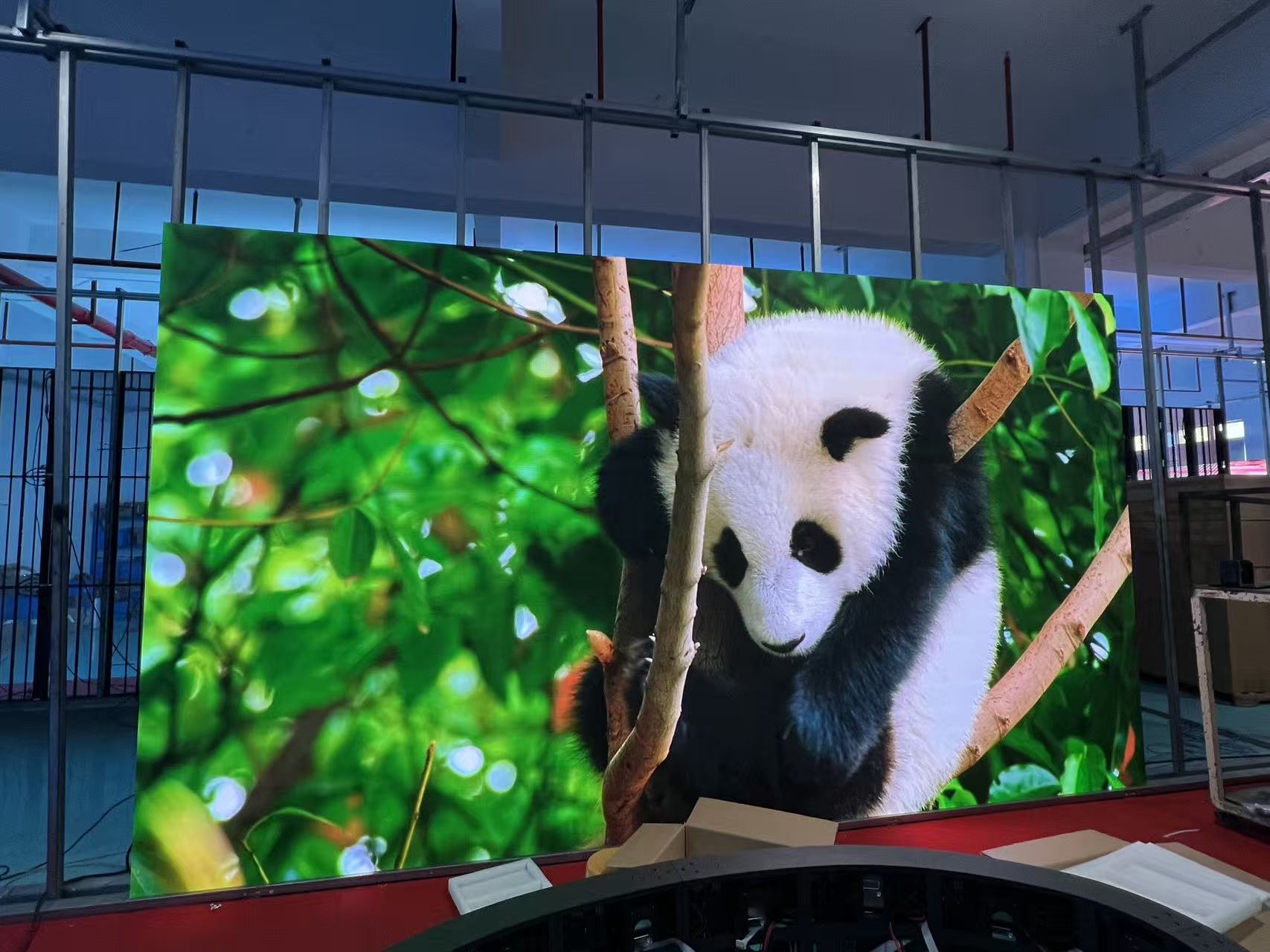
Modern commercial venues face increasing pressure to deliver memorable, high-impact experiences that attract premium corporate bookings, live performances, and high-profile brand launches [source: 1, 2]. Traditional display technologies, such as projection systems and passive LCD screens, frequently struggle under bright ambient light, resulting in washed-out graphics and poor legibility [source: 1, 11]. Maintaining high visual clarity and audience attention during a dynamic keynote or a fast-paced concert is essential to establishing a venue as a premier destination [source: 1, 11]. Integrating a professional led screen resolves these structural limitations by providing brilliant, self-emitting light that functions perfectly in challenging lighting conditions [source: 11, 14].
Limitations of Legacy Projection and LCD Systems
Passive projection systems depend on darkened environments to project clear images, making them unsuitable for daytime corporate mixers, glass-walled conference centers, or outdoor stages [source: 11, 14]. Additionally, projectors suffer from physical sightline blockages, as presenters casting shadows over the screen disrupt the presentation flow. Large-format LCD video walls present another set of problems, as thick, visible bezel lines slice through high-resolution graphics, detracting from the cohesive visual experience [source: 11, 14]. By upgrading to a seamless led screen, event planners can eliminate bezel gaps and bypass ambient light constraints, ensuring clean views from every seat [source: 11].
Brightness, Contrast, and Visual Legibility Advantages
Light-emitting diode technology produces exceptional luminance levels, easily reaching between 1,200 and 2,000 nits for indoor applications, and exceeding 5,500 nits for outdoor systems [source: 8]. This immense light output, paired with high black-body contrast ratios, produces vibrant, deep colors and crisp text legibility, even in direct sunlight or under intense stage spotlights [source: 4, 14]. This high level of visual detail ensures that technical slides, live camera feeds, and promotional videos maintain their aesthetic appeal [source: 1, 11].
Corporate Integration Case Study: Convention Center Upgrade
Operational Scenario: Outdated Visual Media Infrastructure
An expansive metropolitan exhibition hall based in Atlanta, Georgia, managed three multi-purpose ballrooms and twenty breakout seminar rooms. The facility relied on heavy ceiling-mounted projectors and retractable screens, which had been the standard for the past decade [source: 11]. During peak corporate conference seasons, the operations department encountered frequent complaints from event organizers regarding washed-out presentation slides, poor text visibility in rear seating areas, and slow setup times when modifying stage backdrops [source: 1].
Business and Logistic Challenges
The technical limitations of the projectors directly affected the venue's booking rates. High-tier technology firms and luxury auto brands regularly bypassed the facility, choosing competing venues that offered integrated, high-resolution digital backdrops [source: 1, 2]. Furthermore, renting portable displays for individual events added substantial labor costs, requiring external AV crews to spend up to twelve hours setting up modular frames and aligning projection lenses before each session [source: 2, 12].
Solution: Deploying Seamless Visual Systems
The operations team chose to upgrade their main ballroom with a customized, fine-pixel-pitch led screen system. The engineering specifications mandated a 2.6mm modular layout that could be split into separate stage banners or combined into a single, seamless 15-meter widescreen backdrop [source: 2, 3, 11]. The system integrated high refresh rate driver chips and redundant data pathways to ensure reliable performance during live broadcasts [source: 6, 8].
Key Performance Benchmark
Previous Projector Baseline
Upgraded Modular Display
Ambient Light Legibility
Poor under high lighting
Perfect under full house lights
Setup and Alignment Time
Six to eight hours per event
Fifteen minutes via pre-set control
Screen Bezel Distraction
Not applicable (but low contrast)
Zero bezels (completely seamless)
On-Screen Rolling Lines
Frequent camera sync issues
Flicker-free under broadcast cameras
| Key Performance Benchmark | Previous Projector Baseline | Upgraded Modular Display |
|---|---|---|
| Ambient Light Legibility | Poor under high lighting | Perfect under full house lights |
| Setup and Alignment Time | Six to eight hours per event | Fifteen minutes via pre-set control |
| Screen Bezel Distraction | Not applicable (but low contrast) | Zero bezels (completely seamless) |
| On-Screen Rolling Lines | Frequent camera sync issues | Flicker-free under broadcast cameras |
Measurable Improvements in Venue Performance
The integration of the modular led screen system quickly transformed the venue's business performance. Over the next two quarters, the exhibition hall secured nineteen premium corporate bookings that would have previously gone elsewhere, resulting in a thirty-five percent increase in rental revenue [source: 12]. Technicians reduced stage prep times by eighty percent, allowing the venue to run back-to-back corporate mixers and evening galas with minimal transition times.
Engineering Architecture and Component Integration
Fine Pixel Pitch and Viewing Distance Optimization
Selecting the correct pixel pitch, which is the center-to-center distance between adjacent diodes, is critical to ensuring image clarity for audiences [source: 12]. For indoor venues where attendees sit close to the stage, a fine pixel pitch ranging from 1.5mm to 2.6mm ensures that individual pixels remain indistinguishable, producing smooth, continuous images [source: 2, 12]. Larger arenas and auditoriums can utilize a slightly wider 2.9mm to 3.9mm pitch [source: 2, 12]. This matches the viewing distance of more distant audiences while optimizing raw material weight and overall project budgets [source: 12].
High Refresh Rates and Broadcast Camera Compatibility
As live-streamed presentations and hybrid corporate events become standard, display systems must maintain compatibility with professional broadcast cameras [source: 6]. Low-quality displays with basic driver configurations can produce visible rolling scan lines and visual jitter on camera feeds. Professional modular systems solve this by utilizing advanced constant-current driver ICs that achieve refresh rates of 3,840 Hertz or higher [source: 6, 8]. This rapid refresh cycle keeps the image stable, ensuring flicker-free recording on smartphones and broadcast cameras [source: 6].
Modular Flexibility and Structural Integration
Unlike rigid television displays, a professional led screen utilizes a modular building block system [source: 1, 4]. Individual cabinets can be connected horizontally and vertically to build custom screen sizes, ultra-wide layouts, curved backdrops, or right-angle displays [source: 2, 11]. Magnet-assisted alignment pins and fast-locking side connectors allow small crews to assemble or dismantle large video walls quickly [source: 1, 8]. This modularity enables event designers to integrate digital screens directly into stage scenic elements or hang them safely from overhead truss systems [source: 1, 2].
Quality Compliance and Preventative Care
Verification of International Engineering Standards
Corporate buyers and facility safety officers must verify that display equipment meets strict international safety standards. Reliable display hardware complies with electromagnetic compatibility standards, such as FCC Part 15 and European CE regulations, which prevent the screen from interfering with nearby wireless microphones or audio gear. Power supplies should carry recognized safety certifications like UL or TÜV to ensure stable power delivery under heavy loads. Additionally, structural installations should meet local wind and load requirements, such as those defined by the American Society of Civil Engineers (ASCE 7), to protect outdoor structural integrity.
Preventive Maintenance and Inspection Routines
Maintaining a visual network requires consistent cleaning and inspection protocols to protect sensitive components [source: 2]. Technicians should inspect cabinet connectors and power cables semi-annually to ensure clean electrical contact and prevent voltage drops [source: 3]. Front-serviceable magnetic tools allow for the rapid replacement of individual modules within seconds without dismantling the entire screen structure [source: 8]. Removing dust from ventilation pathways and ensuring the display operates in a climate-controlled environment prevents heat buildup, protecting the driver chips and extending the overall lifespan of the system.
Frequently Questions and Expert Answers
Frequently Questions
Question
How does pixel pitch impact the selection of an led screen for close-up viewing?
Answer
Pixel pitch determines the minimum viewing distance at which the human eye can no longer see individual pixels [source: 12]. For close-range indoor environments like conference rooms or trade show booths, choosing a fine pixel pitch between 1.5mm and 2.6mm ensures that text remains sharp, graphics look clean, and images stay clear from just a few feet away [source: 2, 12].
Question
Why is a high refresh rate important for corporate events and live broadcasts?
Answer
A high refresh rate of 3,840 Hertz or greater prevents visual jitter and rolling scan lines when the screen is captured by cameras [source: 6, 8]. This is essential for hybrid corporate conferences, press launches, and televised events, ensuring the digital backdrop appears stable and clear to both on-site attendees and remote live-stream viewers [source: 6].
Question
Can modular displays be arranged in custom shapes rather than standard rectangular screens?
Answer
Yes, the modular design of modern cabinets allows them to be connected in wide, right-angle, curved, or convex shapes [source: 2, 11]. Creative event designers can build column displays, curved stage wings, or custom arches, allowing the digital canvas to blend seamlessly with the physical stage design [source: 1, 2, 11].
Question
How do LED video walls perform under bright ambient sunlight compared to projection screens?
Answer
Projection systems rely on reflected light and lose contrast in bright environments, whereas self-emitting displays deliver outstanding performance [source: 11, 14]. With high-brightness diodes producing up to 2,000 nits indoors and over 5,500 nits outdoors, these displays maintain vibrant colors and clear contrast even in direct sunlight [source: 8, 11].
Question
What is the benefit of a front-accessible magnetic design for display maintenance?
Answer
A front-accessible design allows maintenance teams to quickly swap out individual modules using a magnetic tool without dismantling the support frame [source: 8]. This feature is vital during time-sensitive events, enabling technicians to resolve a localized pixel issue in seconds, maintaining continuous operation and peace of mind [source: 2, 8].
Table of Contents
- Corporate Integration Case Study: Convention Center Upgrade
- Key Performance Benchmark Previous Projector Baseline Upgraded Modular Display Ambient Light Legibility Poor under high lighting Perfect under full house lights Setup and Alignment Time Six to eight hours per event Fifteen minutes via pre-set control Screen Bezel Distraction Not applicable (but low contrast) Zero bezels (completely seamless) On-Screen Rolling Lines Frequent camera sync issues Flicker-free under broadcast cameras
- Engineering Architecture and Component Integration
- Quality Compliance and Preventative Care
- Frequently Questions and Expert Answers
