 EN

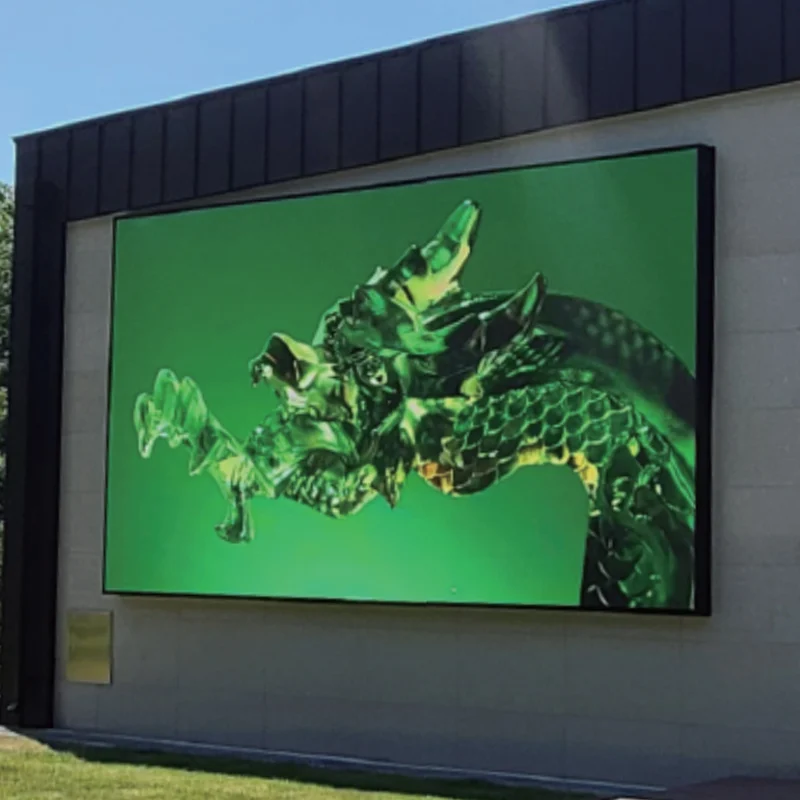
Commercial digital displays deployed outdoors face harsh atmospheric conditions that rapidly degrade electronic components. Selecting a dependable outdoor led screen demands a thorough evaluation of environmental defense mechanisms rather than visual performance alone. Moisture penetration, fine airborne particulate matter, and coastal salt spray represent continuous electro-chemical hazards to internal circuitry. Unprotected electronic junctions suffer galvanic corrosion, trace oxidation, and sudden short circuits when exposed to humidity cycles. Commercial installations require multi-tier protection architectures to ensure uninterrupted visual communication.
Ingress Protection Standards for an Outdoor LED Screen
International electrotechnical criteria define liquid and solid foreign object isolation through standardized ingress ratings. A front-facing IP65 certification signifies total dust shielding alongside verified defense against direct water jets projected from any angle. The rear access hatch requires at least an IP54 enclosure rating, though full IP65 chassis designs provide superior longevity in rain-swept environments. Precision-molded automotive-grade silicone sealing gaskets secure the perimeter between adjacent display modules and structural cabinet edges, preventing water ingress driven by high wind pressure.
Hydrophobic Conformal Coatings and PCB Moisture Defense
True weatherproofing extends beyond physical cabinet barriers into molecular surface treatments. Printed circuit boards inside premium displays undergo multi-stage conformal coating processes utilizing modified polyurethane or silicone resins. This automated application forms an unbroken protective envelope across surface-mount devices, driver integrated circuits, and copper power traces. The hydrophobic layer prevents atmospheric dampness from bridging conductive paths, resisting electrochemical migration even during sustained ninety-five percent relative humidity conditions.
Real-World Commercial Deployment Case Study
Operational Background and Coastal Environmental Stress
A transport authority operating a deep-water ferry terminal in Northern Florida commissioned an expansive passenger information system. The harbor environment presented severe atmospheric challenges, including dense morning marine fog, daily wind-driven torrential rains, and relentless ultraviolet solar exposure. Nearby commercial maritime traffic generated elevated ambient salt-fog concentrations, categorizing the operational zone under severe atmospheric corrosivity.
Engineering Obstacles and Premature Display Failures
Standard commercial panels previously installed at the boarding terminal suffered catastrophic failures within nine months of continuous operation. Water breached peripheral cabinet joints during subtropical storm surges, causing widespread power supply blowouts. Salt deposits accumulated across internal module connectors, corroding solder joints and resulting in dead pixel lines. The coastal environment caused thermal buildup, which triggered automatic shutdown cycles during peak midday passenger boarding hours.
Engineered Sourcing Deployment and Performance Outcomes
Terminal supervisors replaced the failing infrastructure with RMG LED heavy-duty exterior visual systems. Procurement specifications prioritized an outdoor led screen featuring dual-seal die-cast aluminum cabinets, specialized marine-grade conformal coatings, and front-accessible IP65 magnetic modules. Technicians anchored the structural frame to withstand regional wind shears while integrating active thermal ventilation pathways.
Operational Parameter
Previous Standard Hardware
Engineered Coastal Display
Ingress Defense Certification
Front IP54, Rear IP43
Front IP65, Rear IP65
Salt-Fog Corrosion Resistance
Unrated baseline standard
500-hour ASTM B117 tested
Unscheduled Downtime Incidents
17 failures per quarter
Zero failures recorded
Operational Running Temperature
68 degrees Celsius internal
44 degrees Celsius internal
| Operational Parameter | Previous Standard Hardware | Engineered Coastal Display |
|---|---|---|
| Ingress Defense Certification | Front IP54, Rear IP43 | Front IP65, Rear IP65 |
| Salt-Fog Corrosion Resistance | Unrated baseline standard | 500-hour ASTM B117 tested |
| Unscheduled Downtime Incidents | 17 failures per quarter | Zero failures recorded |
| Operational Running Temperature | 68 degrees Celsius internal | 44 degrees Celsius internal |
Following eighteen months of continuous terminal operation through two severe storm seasons, the visual network maintained one hundred percent operational availability. Maintenance staff reported zero instances of moisture infiltration or pixel line failures. The natural convection cooling profile lowered daily utility consumption, saving an estimated twenty-four dollars per panel unit each month compared to traditional forced-air cabinet designs.
Thermal Dynamics and Photometric Performance Under Extreme Climates
Aluminum Die-Cast Heat Dissipation and Airflow Management
Direct solar thermal radiation combined with high internal power draw presents catastrophic risks to semiconductor stability. Advanced outdoor led screen hardware utilizes precision die-cast aluminum or magnesium alloy cabinets instead of conventional cold-rolled iron. Aluminum exhibits exceptional thermal conductivity, functioning as a continuous heatsink that conducts heat away from internal components. Specialized aerodynamic heat-sink fins channel ambient air upwards through natural convection, maintaining interior operating temperatures well below critical component thresholds without relying on noisy external fans.
Solar Radiation Resistance and High-Brightness Photometry
Extreme solar exposure degrades optical polymers, turning standard plastic masks brittle and yellow over time. Premium outdoor led screen enclosures utilize high-grade polycarbonate face masks compounded with ultraviolet stabilizers. These UV-resistant shades shield internal silicone encapsulation from solar cracking while eliminating surface reflections. Concurrently, advanced light-emitting diodes produce brightness outputs ranging between 5500 and 7500 nits, ensuring complete text legibility against direct sunlight without overdriving drive currents.
Strategic Procurement Benchmarks and Preventive Maintenance Protocols
International Compliance Standards and Factory Quality Verification
Enterprise buyers must verify that display manufacturing processes adhere to recognized industrial benchmarks before procurement. Credible equipment demonstrates full compliance with ISO 9001 quality management systems and international electrical safety standards under CE, FCC, and UL specifications. Enclosure integrity should be validated against IEC 60529 ingress testing procedures. Structural calculations must respect American Society of Civil Engineers (ASCE 7) wind load guidelines, verifying the support truss remains secure during extreme gales.
Systematic Inspection Routines and Field Care Procedures
Long-term reliability depends upon structured preventative upkeep. Field technicians should inspect cabinet perimeter gaskets semi-annually, checking for material hardening or micro-fissuring caused by ozone exposure. Surface modules should be washed annually with low-pressure water and neutral surfactants to remove accumulated industrial soot and salt crusts, which otherwise hinder thermal radiation. Deploying a properly engineered outdoor led screen alongside disciplined maintenance routines ensures decade-long visual brilliance across the most unforgiving physical environments.
Frequently Questions and Expert Answers
Frequently Questions
Question
What ingress protection rating is required for an outdoor led screen?
Answer
An outdoor installation requires a minimum front ingress rating of IP65, certifying complete protection against airborne dust and low-pressure water jets. The rear enclosure should possess at least an IP54 rating for covered installations, though an IP65 rear enclosure is recommended for open-frame billboard structures exposed to direct driving rain.
Question
Why is die-cast aluminum preferred over sheet metal for exterior display cabinets?
Answer
Die-cast aluminum offers superior dimensional precision, ensuring seamless module alignment and tighter gasket compression against water penetration. Aluminum also provides higher thermal conductivity than sheet metal, acting as an integrated heatsink. Additionally, aluminum naturally forms a protective oxide layer that resists corrosion, preventing structural rust in damp or coastal operating environments.
Question
How does ultraviolet radiation impact the operating lifespan of exterior display modules?
Answer
Unshielded solar radiation breaks molecular bonds within standard plastic masks, leading to discoloration, warping, and micro-cracks that allow moisture ingress. Quality modules incorporate ultraviolet stabilization additives into the polycarbonate blend, preventing optical yellowing and maintaining structural flexibility under intense sunlight.
Question
Can cold ambient winter climates damage digital signage electronics?
Answer
Sub-zero temperatures increase component brittleness and cause condensation during thermal cycling. Industrial-grade displays utilize wide-temperature electronic components rated down to minus thirty degrees Celsius. Power supplies incorporate built-in preheating circuits that warm internal chambers before initialization, preventing startup failures caused by sudden thermal shock.
Question
What maintenance method safely removes salt crust from seaside digital billboards?
Answer
Technicians should rinse screen surfaces using low-pressure deionized water paired with non-abrasive microfiber brushes and mild, pH-neutral detergents. High-pressure sprayers and aggressive solvents must be avoided, as harsh mechanical impact can compromise silicone module beads and strip away protective anti-reflective mask coatings.
Table of Contents
- Real-World Commercial Deployment Case Study
- Operational Parameter Previous Standard Hardware Engineered Coastal Display Ingress Defense Certification Front IP54, Rear IP43 Front IP65, Rear IP65 Salt-Fog Corrosion Resistance Unrated baseline standard 500-hour ASTM B117 tested Unscheduled Downtime Incidents 17 failures per quarter Zero failures recorded Operational Running Temperature 68 degrees Celsius internal 44 degrees Celsius internal
- Thermal Dynamics and Photometric Performance Under Extreme Climates
- Strategic Procurement Benchmarks and Preventive Maintenance Protocols
- Frequently Questions and Expert Answers
