EN
EN

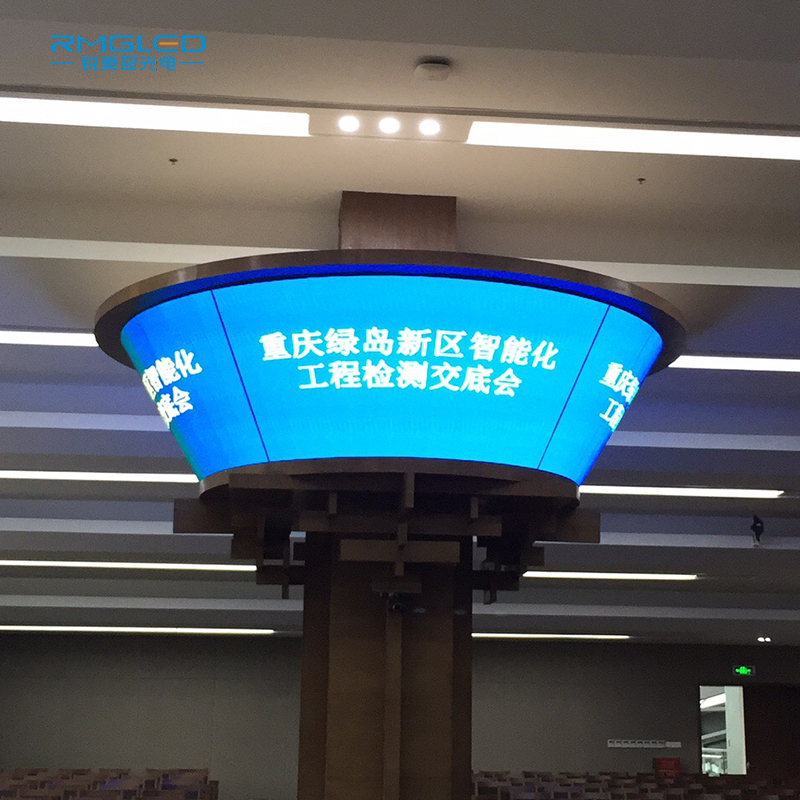
Integrating large displays Uniformity and Structural Integrity
Surface flatness and rigidity
Surface flatness within a tolerance of ±0.15mm ensures LED modules are placed adjacently with no visible seams, which eliminates mosaic interruptions caused by distracting seams. The aluminum alloy frame provides rigidity and thermal expansion stability during harsh conditions and meets structural integrity standards. Without rigidity, the cumulative misalignment of large displays installs typically ranges up to 2mm, which causes fragmentation of the display content no more than 10m from the viewing distance. The thermal expansion rigidity provides stability which eliminates the issue of the tiled mosaic effect. The average brightness variance of less than 15% across module joints is characteristic of sub standard displays. This effect is caused by insufficient responsiveness to thermal expansion.
GB/T 38269-2019 Grayscale Uniformity
An increase of 4K+ resolutions and a decrease in the surface area of 0.001% of a canvas inquires a sufficient display system to meet the requirements of GB/T 38269-2019. This is the national standard for electronic display performance in China. Patricks module meets the greater than 98% grayscale uniformity for 4K+ resolutions. By achieving pixel by pixel, a ΔE < 2, Patricks module achieves an uncompromising Display uniformity with a pixelated high motion video wall. This enables Patricks Module to meet the grandest requirements for the lowest dead pixel rate of 0.0001% and maximum brightness of greater than 10,000nits. This meets the standards for IEC 62341-3-1. The average issue of a greater than 256 level grayscale variance across modules which causes the patchwork effect in display mosaics is eliminated.
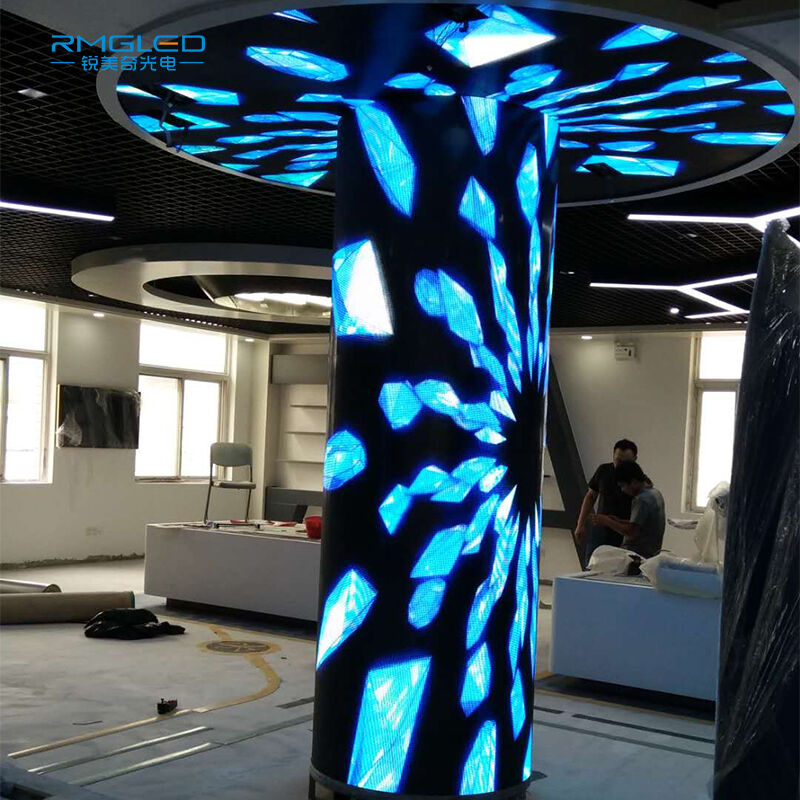
Essential Indicators of Stable LED Module Performance
Large LED displays need excellent electrical precision in order to avoid visual instability. Industrial Grade LED Modules accomplish this in two ways:
1. 16-bit grayscale depth with flicker free 3840 Hz refreshing in fast moving graphics
The ability to process high-bit depth data results in smoother tonal gradation and more precise color rendering, while a 3840 Hz or higher refresh rate exceeds the human flicker fusion threshold and eliminates flicker, visual tearing, and strain caused by the content. This is essential for displays showing live sporting events or advertising content with faster frame rates.
2. <0.0001 % (IEC 62341-3-1) and ≤0.001 % (GB/T 38269–2019) Dead Pixel Requirement in Commercial Grade LED Modules
Reliability of pixels impacts the long run display integrity. Internationally accepted standards impose strict colon tolerance:
IEC 62341-3-1 (2023) <0.0001% for use in critical display infrastructure.
3. GB/T 38269–2019 ≤0.001% for use in commercial advertising displays.
The 10x stricter industrial application requirements ensure isolated pixel failures are not allowed in mission critical situations to ensure the safety of emergency signs or the protective integrity of safety critical messaging.
The Industrial Grade LED Modules have ≥7000 cd/m² with ≥95% color uniformity and luminance showing a controlled variety of brightness and colors with a small standard deviation across the display surface regardless of the condition. This results in the elimination of hot spots and dimly lit areas across the display. The performance of large displays that have a brightness of greater than ≥7000 cd/m² to be legible in direct sunlight is ensured by a unique binning process that results in CIE 1931 chromaticity standards with a chromaticity variation (ΔE) for a uniform display of <3 to make the adjacent display module color variance imperceptible.
Robust thermal management systems keep white balance drift to a ±200K range and color deviation to a ΔE < 3 range in an operational temperature range of –20°C to +50°C. This system prevents color drift shifts from a cold climate to a warm climate so your advertisement color will not drift blue from summer climate to winter climate shifts. Driver ICs will compensate for LED drift through temperature and a conformal coating will prevent the circuit from degrading due to moisture in compliance with the stress testing protocols of GB/T 38269–2019.
Fixed LED modules need to be able to operate in a variety of harsh conditions and still maintain a consistent output over the course of decades of usage. Industrial-grade units operate reliably from –40°F to 150°F. This will prevent the structural integrity of the LED modules from failing due to thermal stress. The units also meet the IP65 standard for protection from the elements. For luminance consistency, high-end LED modules achieve L90 lumen maintenance, meaning they will not lose lumen output by more than 10% over a 50,000 hour lifespan. There is also a surge-resistant driver that is also conformal coated that is also shielded to withstand ≥8 kV surges in power. This also keeps from corroding by moisture shifts. Optimized, this can increase lifespan by over 30%.
Modules that meet these standards maintain a failure rate of under 5% within five years of use. Modules failing to meet these standards will have a failure rate of over 47%.
Certification Compliance: Safety, Environmental, and Global LED Module Standards
All reliable LED modules for large displays must comply with international certifications. Evidence for Com. Safety IEC standards, such as IEC 62341-3-1, which relates to dead pixel tolerance, and IEC 61347, relates to electrical safety and the integrity of the modules when they are used in commercial applications. Environmental regulations, like RoHS, which bans hazardous substances in electronic goods, including lead and mercury, are complemented by CE, denoting that the modules are consistent with the European compliance requirements for health, safety, and EMC. Meeting the requirements of the Energy Star marking indicates a considerable reduction in the power consumption of the LED modules.
Her 1 Page - 3 - 4 - Energy Star 865 Label
Those standards change Compliance and operational risk by as much as 20% with no more than a 25% risk of a non-compliant installation. As a result of the over 15% fail in extreme conditions studies conducted by reliability experts, the potential for lawsuits is reduced. Lastly, manufacturers are also charged with the responsibility of ensuring that their products comply with the local regulations, such as KC Mark for South Korea or SASO for Saudi Arabia, as entry into the South Korean and the Saudi Arabian marketplaces is also regulated by luminance stability, thermal endurance, and EMC. The guarantee of modules for a continuous 100,000 hours of duty is provided by UL or TüV, who provide warranties for modules.
What is the importance of surface flatness in LED modules?
The importance of surface flatness of the LED modules is that they have the highest possible uniformity allowing for the seamless presentation of the modules.
What standards regulate dead zones and grayscale uniformity?
Dead zones and grayscale uniformity are regulated by standards such as IEC 62341-3-1 and GB/T 38269 2019.
How is brightness uniformity maintained across outdoor LED displays?
Brightness and color uniformity across outdoor LED displays is ensured by LED binning and measured against the CTF 1931 color range standards.
What is the reliable temperature range of industrial LED modular construction?
They can operate for reliable temperature ranges –40°F and 150°F and sustain the efficacy of colours.
What is the importance of certifications for LED modules?
Certifications like IEC, RoHS, and UL guarantee the safety, environment, and performance consistency.