EN
EN

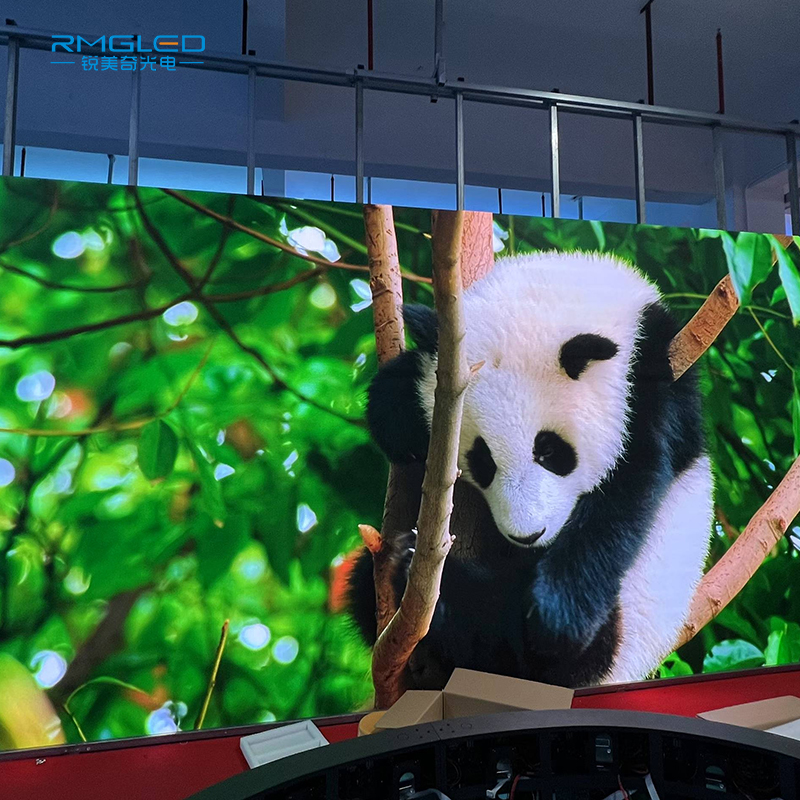
Indoor LED screens have become crucial in various indoor venues like conferences, churches, retail, and exhibition halls for information dissemination and presentation visuals. Providing custom-tailored integrated LED display solutions, RMG LED manufactures premium indoor LED screens that deliver high performance and flexible adaptability. Audience experience is influenced by the viewing angle of indoor LED screens. Well adjusted viewing angles allow every viewer to experience the visuals. In this article, we will discuss how to adjust the viewing angles of indoor LED screens to cover the maximum audience.
Understand your Venue's Layout and Audience Distribution
Understanding the venue's layout and the probable distribution of the audience is the first step to modifying the viewing angle of the indoor led screens. RMG LED recommends site visits to help measure the venue's dimensions, seating arrangements, and critical viewing positions. For example, in a conference room, you should observe the position of the stage, audience seats, and aisles. In a retail store, note the main paths of customer flow and the areas where products are displayed. After considering these elements, you will be able to identify the best possible position for the intended lens angle for the indoor led screen, so that it a screen promotes optimum audience viewing to the largest possible audience. RMG LED's specialized staff will assist you in venue analysis and layout planning.
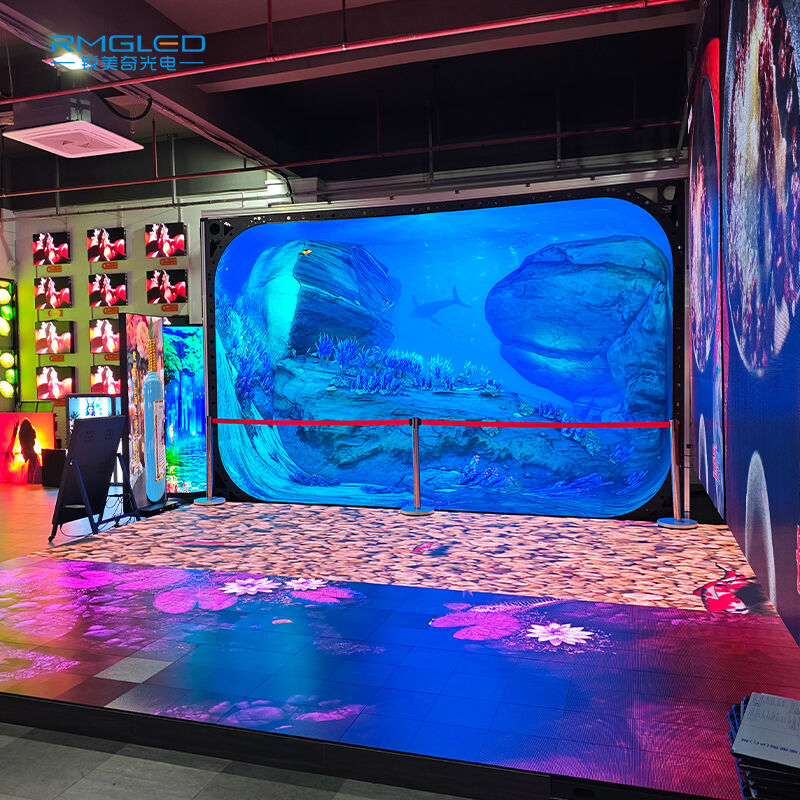
Pick Indoor LED Screens with a Wide Viewing Angle
Selecting indoor led screens with wide inherent viewing angles as a means of ensuring optimum audience coverage is of primary importance. RMG LED's indoor screens including indoor COB small pitch led screens and indoor rental led screens use wide viewing angle technology. These screens can serve equally brilliant viewing angles, and color and brightness consistency over a wide viewing distance. This means audience members positioned at different viewing angles and distances will enjoy greatly the same quality of the viewing experience. RMG LED's indoor LED screens wide viewing angle characteristics are designed to make screen location adjustments less complicated Vanquishing the Flex Angle. When it comes to indoor led screens, RMG LED is the optimum choice when wide viewing angles are needed.
Adjusting Installation Height and Tilt Angle
Making the right adjustments for the height and tilt angle of the indoor LED screens is important. For best practice, RMG LED recommends the installation of the indoor LED screen to be at the height of the average eye level of the audience. For places with tiered seating, make sure to adjust the height so the screen is visible to people sitting in both the front and rear rows. The tilt angle should be adjusted so that the screen is positioned to the center of the viewing area. For example in a church, the indoor LED screen may be tilted a bit downward to reach the audience seated in the front pews and also those sitting in the balcony. Use of professional tools is part of the installation plan by the RMG LED installation team to make these adjustments for the height and tilt angle of the indoor LED screen, to maximize the coverage for viewing of the screen by the audience.
Adjusting Screen Brightness and Screen Resolution
The way you adjust screen brightness and screen resolution impacts viewing from different angles. With RMG LED’s indoor LED screens, you get adjustable brightness and higher resolution. Higher resolution helps so that images and text stay clear, even from far away and from different angles. With adjustable brightness, you can suit your screen to varying indoor light conditions. In bright venues, you can increase the brightness to optimize visibility. In darker venues, you can reduce brightness to combat eye strain. With these different options, the indoor LED screen gives clear visuals at different viewing angles. This increases audience coverage. RMG LED’s technical team can adjust settings to your venue’s specific needs.
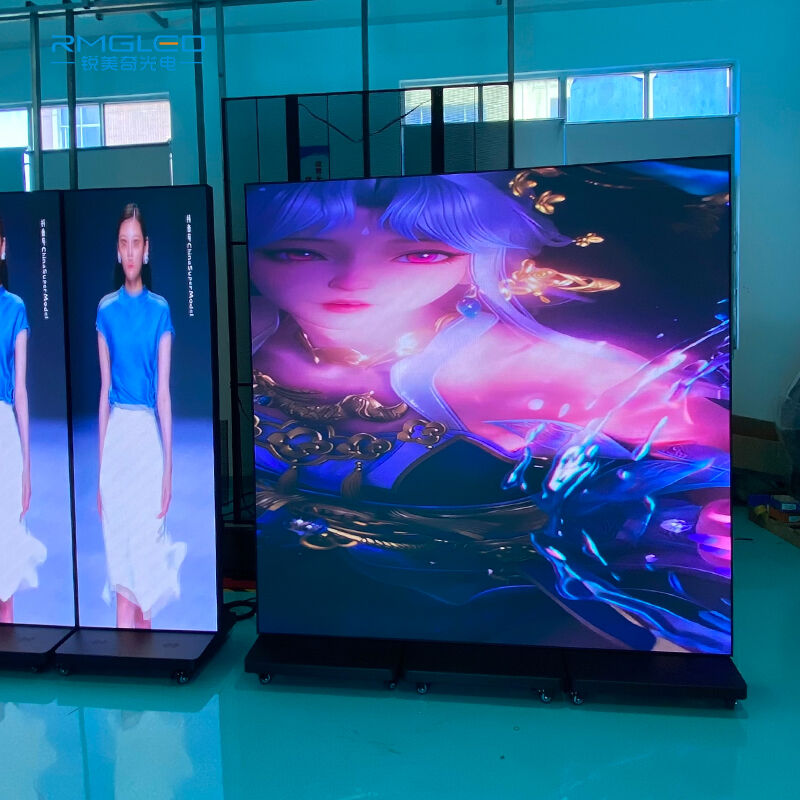
Using Multiple Indoor LED Screens
Using more than one LED screen indoors equals more than one coverage opportunity in big or uneven shaped locations. RMG LED can create design plans for rows or clusters of multi-screen displays based on the design of the space. For example, in a big conference exhibition center, you can install several indoor LED screens in multiple locations to reach people in all sections of the space. The displays can show the same content or different information to provide all attendees the content they need to see. Indoor LED screens from RMG LED can be synchronized for seamless multi-screen collaborations. Using several indoor LED screens could work for big events, conferences, shopping malls, and any purpose where audience coverage is a priority.
Installation Practical Tests and Tweaks
After setting up the indoor LED screen, the next step is to do practical tests to verify the screen’s viewing angle coverage. At this step, RMG LED recommends that you encourage individuals to sit or stand at various locations around the venue to help assess visibility to the indoor LED screen. Gather impressions from various locations around the venue to assess screen image quality, color, brightness, and clarity to assure ideal viewing conditions. Make adjustments to the screen position, tilt, brightness, angle, and resolution as needed to accommodate the venue. Tests should be performed repeatedly to ensure that the indoor LED screen meets the needs of the venue. RMG LED offers indoor LED screens that come with testing and adjustments for venues to help meet indoor LED screen viewing angle requirements.
In conclusion, the process of adjusting indoor LED screens viewing angles for optimum coverage involves several steps: venue focus, screen selection, product installation, angle, brightness, and resolution adjustments, optimization of multiple screens, and practical testing. RMG LED’s expert staff, high-quality indoor LED screens, and experience with LED display optimization provide support during this entire process. Implement these strategies as they help provide all audience members with high quality indoor displays to support the goals of the event.