EN
EN

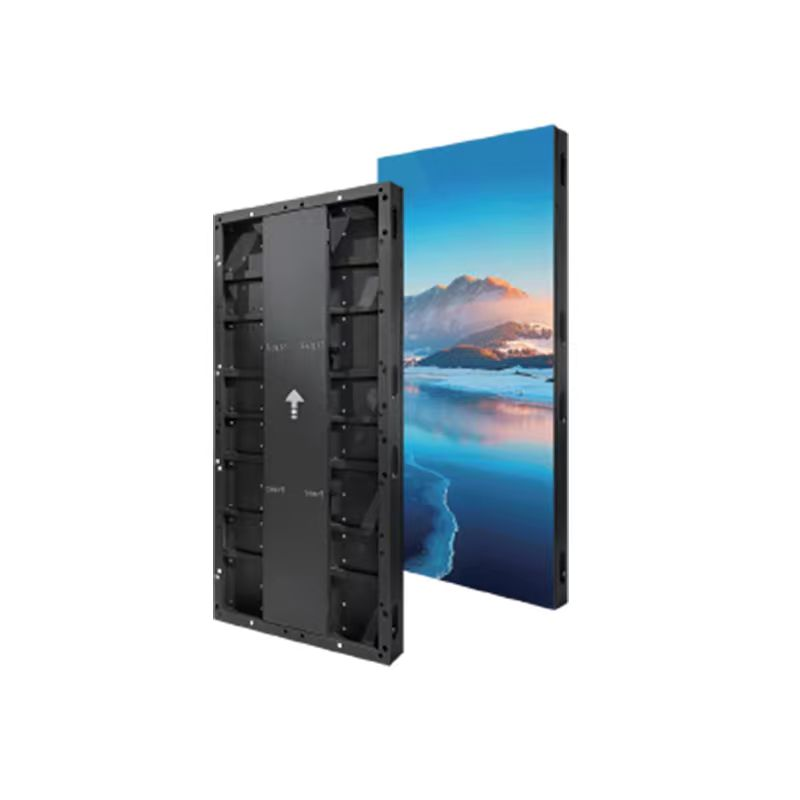
Understanding the Different Types of LED Display Panels and their Core Technologies
When it comes to commercial and industrial applications, careful selection of led display panels starts with knowing the technologies involved. The two most commonly used types are Surface-Mounted Device (SMD) and Chip-on-Board (COB), which have different benefits.
SMD vs COB: Understanding Structural Differences and Advantages
With Surface Mount Device (SMD) technology, each LED is attached to a different printed circuit board, which is how we get those crisp resolution displays and bright colors. However, those diodes are exposed and, as such, susceptible to physical damage, humidity, and other environmental factors. In contrast, Chip- On-Board (COB) technology puts a small chip on the base material and then adds a special resin covering. This means COB displays are 40% more impact-resistant and provide protection from dirt. Additionally, the solid construction of the resin block helps to improve heat management which means the displays last longer, even when operated continuously. While standard options are cheaper, COB displays are more reliable as they last more than 100,000 hours before they require replacement. This long lifespan makes COB displays especially useful in high-traffic areas such as shopping malls and airports. Although they are around 15- 20% more expensive initially, they are a more cost-effective option in the long run.
Outdoor models, designed for use in all climates, feature rugged aluminum housings and built-in cooling systems that extend their temperature limits to minus 30 degrees Celsius to 50 degrees Celsius. Semi-outdoor models feature glass coatings that control brightness and glare, making them ideal for partially shaded environments. Indoor environments like retail stores or control centers, need models with pixel pitches less than P2 for sharper imaging when viewed from less than around.
In order to evaluate LED displays, it is important to understand key performance metrics.
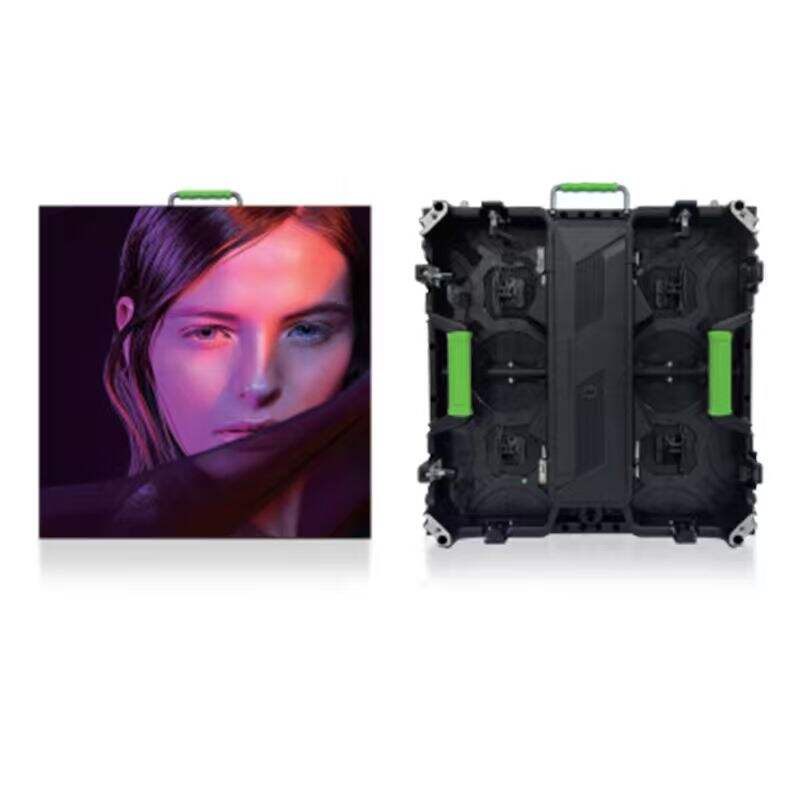
Each Environment Has Its Own Requirements for Brightness, Contrast Ratio, and Viewing Angles
Each environment has different levels of ambient brightness and LED displays need to be adjusted accordingly. For indoors displays, typically, the display brightness is adjustable between 300-800 nits. In semi-outdoor situations, display brightness is adjustable between 1500 to 3500 nits. If a display will be outside and is exposed to direct sunlight, to ensure the display is still readable, the display brightness needs to be at least 5000 nits. To get an optimal contrast ratio, the number needs to be greater than 3000:1 so that image quality is optimal, especially in lighting situations that vary throughout the day. It's also important for LED displays to have wide viewing angles. A viewing angle of 140-160 degrees is ideal in order to ensure that the display is visible to a large number of people, especially in large crowd situations such as in train stations, airports, and sports stadiums.
Calculating Pixel Pitch & Optimal Viewing Distance
How clear an image looks on a screen is greatly affected by pixel pitch, or the distance between each pixel, which is measured in millimeters. A panel with a P3 rating is preferred for viewing distances of 3 meters. However, when viewing distances are 1 to 2 meters, such as with control rooms or digital signage, a finer pitch like P1.5 or below is preferred. When it comes to resolution, a simple mathematical calculation can be used. For a panel with a width measured in millimeters, the resolution is measured by dividing the width by the pixel pitch measurement. For example, a 6-meter wide display screen with P2.5 technology has approximately 2,400 horizontal pixels. A general guideline to achieve the best viewing distance is to multiply the pixel pitch by 1,000 to find the nearest distance, and 8,000 for the furthest distance. Implementing these calculations ensures the audience won’t see the pixels when looking at the images on the display.
Planning for the installation, maintenance, and everyday operation impacts the lifespan and efficiency of your LED display panel deployment. Including a modular design and effective environmental protection will enhance functionality.
Designs Built to Last
Maintaining and changing LED displays is drastically simplified through designing the displays in modules that allow for quick assembling and disassembling of the displays in any configuration as well as adding flexibility in how the displays are mounted to include vertical displays, horizontal displays, and even curved displays to create immersive display walls. When going through the design and engineering of the display and the mounting methods, the lead engineers and designers should consider how the mounting methods actually allow for mounting the displays in multiple display walls in multiple display modules. The display designers and engineers will have to design and engineer the displays to account for the impacts of structural changes from heat, the expansion and contraction of the display modules, and the movement and vibration of the display modules. To account for all of the impacts and changes that modules will undergo, the display designers and engineers will have to perform analyses of the modules, displays, and mounting components to develop designs, and in certain cases, analyses of the display methods and mounting systems to guarantee that all of the structural components and supporting components will withstand the loads that will result from the engineering designs of the displays and supporting systems as stated in the display engineers' design guidelines and the module loads.
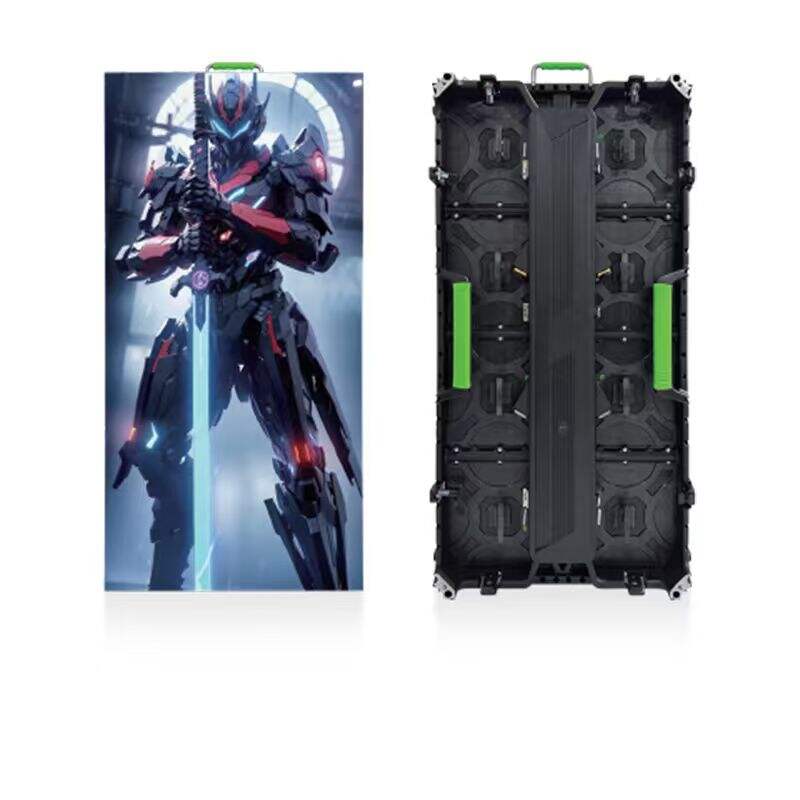
Thermal Management, IP Ratings, and Long-Term Reliability Factors
Heat management is crucial for LEDs, as excessive temperatures can result in a drop in performance and a reduction in lifespan by as much as 30% (Display Tech Audit, 2023). Most systems use fans for active cooling, while others rely on heat sinks to absorb and dissipate heat to prevent overheating. This is especially important in confined environments, such as enclosures, where the operational ambient temperature is elevated. Protection against dust and moisture ingress is equally important and external installations require an IP65 rating to provide sufficient protection against dust and water splashes. For industrial use where aggressive chemicals are present or for prolonged use in environments with humidity > 80%, increased protection is provided by IP67. When manufacturers provide backup power options, tool-free maintenance, and ease of access to replaceable components, a combination of the aforementioned factors limits unplanned shutdowns and ensures that equipment operates continuously and reliably for years.
It is no secret that LED display panels cost more than standard signs. However, because they save companies money in the long run on cut electricity bills and little maintenance, and decrease expenses, it balances out and is worth it for companies. Studies show that in 2-3 years companies save enough money to pay back the initial investment. For advertisers, the CPM (cost per thousand views) is extremely appealing at 15 cents. LED boards outperform traditional ads by 98%. Considering LED display panels run for 100k+ hours, the ROI (return-on-investment) is best in 5-10 years. The LED display panels allow changing content, and can be programmed for specific messages to be shown. The financial benefits are endless.
FAQ
What are the different types of technologies used in LED display panels?
Two of the well-known technologies are Surface-Mounted Device (SMD) and Chip-on-Board (COB) technologies. Each of these has its own pros and cons. SMD ensures display panels with crisp and clear resolutions, whereas, COB guarantees durability of the display panels.
How can I know the right amount of brightness for my LED display?
The right amount of brightness varies based on the various surroundings. Indoor displays require 300–800 nits, semi-outdoor displays require 1,500–3,500 nits, whereas, outdoor displays require 5,000–10,000 nits for visibility in varying lighting situations.
What should I keep in mind for the installation of LED display panels?
The factors that should be considered are modular design, different mounting methods, environmental protection (through the right IP ratings), and heat management (which increases the life of the display panel).