EN
EN

Å finne riktig fargetemperatur, kontrast og nivå av lysstyrke som passer til dekoren
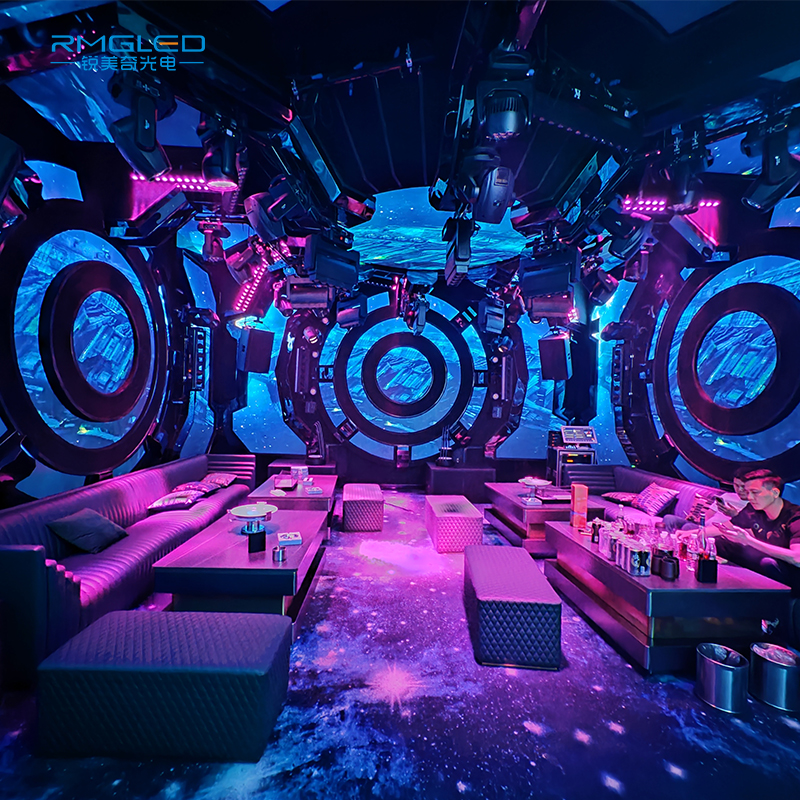
Å integrere en innendørs LED-skjerm i et eksisterende design avhenger av tre viktige optiske faktorer: fargetemperatur (i kelvin), kontrast og evne til å tilpasse seg omgivelseslys. De fleste innendørs miljøer i dag har en tydelig belysningsdesign: varm belysning (ca. 2700–3000 K) brukes ofte i hotell- og gjestfrihetsmiljøer, mens kald belysning (ca. 4000–6500 K) brukes i bedriftsmiljøer. Lyssprikken fra skjermen må balanseres med den eksisterende fargedekorasjonen. En skjerm på 500 nits (med justerbar hvitbalanse) er egnet i en lounge med lavt lys, da den vil åpne opp rommet. Å håndtere omgivelseslys er også avgjørende. Skjermer med anti-blending-egenskaper og en kontrastforhold på < 5000:1 eller ≥ 5000:1 unngår tap av vindusdybde og farge. Tilstrekkelig kalibrering og forbedrede kontrastforhold har vist seg å redusere øyefatigue med 40 %. Hvis veggen er for «høylytt», blir merkevaremeldingen også for «høylytt».
Ramme-løs design, ultra-tynne profiler og integrert flatt monteringsløsning
Moderne overflater og teknologi fungerer mer stilistisk. Tenk på eksempelvis nesten ramdeløse LED-skjermer. De eliminerer irriterende mellomrom mellom skjermer og gir en sømløs avslutning. Enda bedre er det at hver skjerm er under 3 cm tykk, slik at de kan plasseres flatt mot en vegg eller søyle og opprettholde et minimalistisk romlig design. Flere sentrale aktører har utviklet magnetiske monteringsløsninger for skjermer som enkelt kan omposisjoneres – noe som er ideelt for skiftende utstillinger i kunstgallerier eller midlertidige utstillinger i butikker. Disse skjermene er mer enn bare teknologien bak displayet; de blir et designelement i rommet. Dette gjelder spesielt i designbutikker, der den digitale skjermen tilpasses veggenes overflate, slik at integrert teknologi ikke blir for tydelig.
Optimer valg av innendørs LED-skjermer med tanke på romgeometri og installasjonsbegrensninger
Romlig oppfatning og flyt med rektangulære, buede eller skreddersydde LED-skjermer.
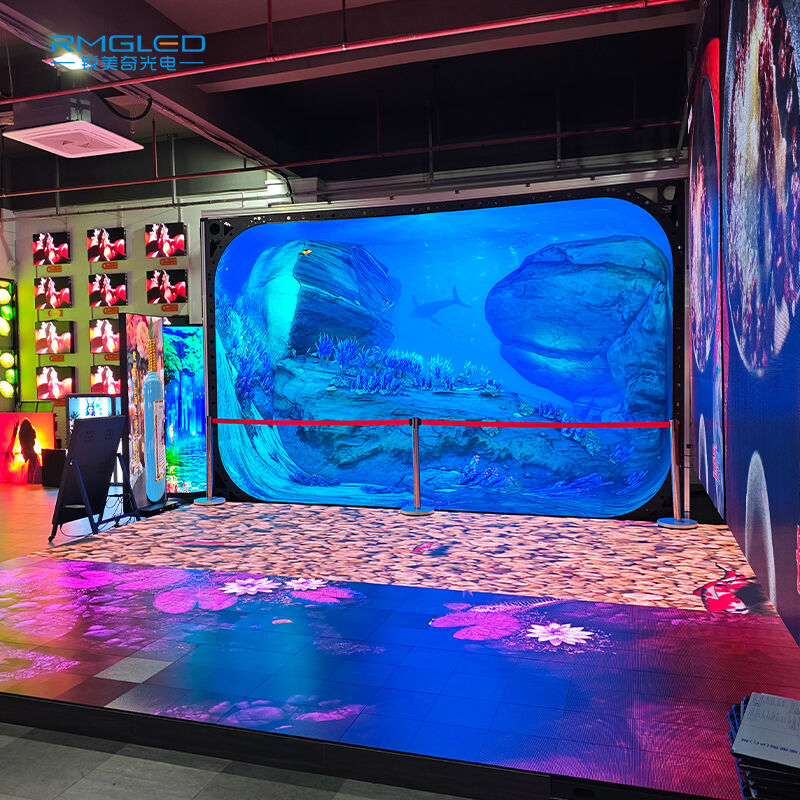
Vurder arkitektonisk integrasjon av rommet når du velger LED-skjermer. Rektangulære LED-skjermer brukes i nesten alle firkantede møterom. Når du bruker buede LED-skjermer, anbefales det å plassere én i et avrundet auditorium eller på en mer organisk måte rundt støttekolonner. Høye buer eller skrånende innganger i tak eller vegger bruker tilpassede LED-skjermer for å opprettholde en enhetlig estetikk og visuell rytmikk. For å unngå visuelle avbrytelser når flere LED-skjermer brukes i samme rom, anbefales det innskårede rammer med en bredde på mindre enn 0,88 mm. Tid og nøyaktighet ved måling er det som legger til mest verdi. Digital Signage Federation fant ut at velutførte målinger øker seerinteressen for viste innhold med mer enn 27 %.
Tilpass modulær skalerbarhet og fin-pitch-alternativer til strukturelle monteringsløsninger.
Modulære LED-systemer betyr at du ikke trenger å gjøre en fullstendig utskifting. Enheter med P1,2 mm pikselavstand gir klare bilder på en synsavstand på under 3 m, noe som gjør dem nyttige for integrering i vegger, søyler eller tak. Sørg for å sjekke strukturell kompatibilitet når:
Montering av store skjermer i taket – krever bæreevne på 50 kg/m² eller mer
Innbygd montering i vegg – krever overflatelikhet på 3 mm eller bedre
Selvbærende montering – krever forsterket base for å unngå risting og sikre stabilitet.
Vurder også behovet for montering som tillater termisk utvidelse (±2 mm ved 10 °C) for å forhindre warping av displaypanelene og beskytte konstruksjonen samt sikre uavbrutt visuell ytelse.
Finkornet LED-teknologi som førstevalg for innendørs visuell presentasjon
Hvorfor er et innendørs skjerm med pikselavstand på 1,2 mm godt – definisjonsklause er feil
En nærmere vurdering av pitch (punktavstand) for innendørs LED-skjermer er svært viktig. Skjermer med pitch på 1,2 mm eller mindre betraktes som nesten sømløse i det visuelle sentrum eller innenfor et avstandsområde på tre meter. Dette omfatter typiske innendørs offentlige rom, som lobbyer, møterom, butikker og konferanserom. Bildene gir en livaktig 3D-visualisering med en jevn bildekvalitet der avstanden mellom pikslene nesten ikke er synlig. For bedriftsrelatert reklame og for å formidle visuelle detaljer utgjør dette en betydelig forskjell. Tester fra DisplayMetrics viser at innendørs oppsett med en piksel-pitch på 1,5 mm eller finere fører i de fleste tilfeller til en økning i tilskuerinteressen med 30 %. Dette skyldes hovedsakelig forbedret lesbarhet, jevnere fargetransisjoner og evnen til å håndtere 4K-innhold uten å måtte bruke store skjermer. Denne fordelen som oppnås gjennom piksel-pitch er ingenting sammenlignet med andre tekniske forbedringer. Det er evnen til å transformere LED-skjermer slik at de blir en sømløs del av omgivelsene – og ikke lenger bare en teknisk enhet.
Bruk tilpassing for å integrere innendørs LED-skjermer som designelementer
Eksempel: Tilpassede LED-skjermer i hotell- og butikksdesign
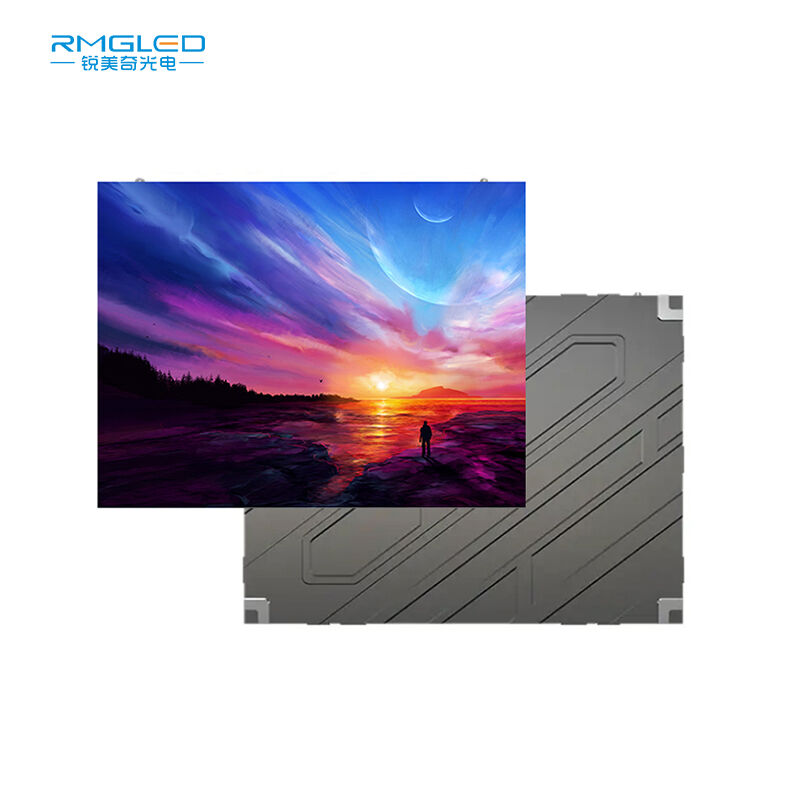
Den beste plasseringen av innendørs LED-skjermer er som en del av det totale designet. Tenk på high-end-hoteller der skjermene er integrert i designet av buer, vegger og fasettert glass samt nyeste gull- og varme steiner. Butikkområder tar denne teknologien til enda et høyere nivå. En av de store merkene brukte nylig high-end-bioteknologi integrert i arkitekturen for å skape veiledende visuelle effekter fra butikkens inngang til produktutstillingene i baksiden. God kvalitet på arkitektur og LED-skjermer skaper lett en omgivelse der det er vanskelig å avgjøre hvor arkitekturen slutter og LED-skjermene begynner.
Ofte stilte spørsmål
Hvorfor er fargetemperatur avgjørende når LED-skjermer integreres?
For å sikre at LED-skjermer passer inn i interiørets fargeskjema og ikke skiller seg ut, må deres fargetemperatur integreres godt med den gjeldende fargetemperaturen. Avhengig av hvilken designsektor som brukes, kan skjermene ha en varm eller kald fargetemperatur, for eksempel i hotell- eller kontormiljøer.
Hvorfor er pikselavstanden viktig for innendørs LED-skjermer?
For nært innendørs bildevisning er glatte og livaktige bilder viktige for å unngå distraksjoner forårsaket av pikselering og opprettholde seerens engasjement. For å oppnå dette oppnås glatte bilder med skjermer som har en pikselavstand på mindre enn 1,2 mm, noe som gjør dem ideelle for innendørs miljøer som lobbyer, butikker og møterom.
Hva er virkningen av modulær skalerbarhet på installasjonen av LED-skjermer?
Modulær skalerbarhet er en kostnadseffektiv og bruksorientert designstrategi for integrasjon og tilpasning når romlige krav endres, slik at LED-skjerminstallasjoner forblir aktuelle. I stedet for fullstendige utskiftninger kan enkeltmoduler legges til for å balansere økende behov.
Hvordan bidrar rameløse design til arkitektonisk integrasjon?
Ved å fjerne kantene mellom skjermene skaper rameløse design et sammenhengende visningsflate- og rameløst skjerm-effekt. I rom med arkitektonisk integrasjon fremmer slike design bedre samhold, slik at skjermen virker som en utvidelse av veggene og andre strukturer.
Innholdsfortegnelse
- Å finne riktig fargetemperatur, kontrast og nivå av lysstyrke som passer til dekoren
- Ramme-løs design, ultra-tynne profiler og integrert flatt monteringsløsning
- Romlig oppfatning og flyt med rektangulære, buede eller skreddersydde LED-skjermer.
- Tilpass modulær skalerbarhet og fin-pitch-alternativer til strukturelle monteringsløsninger.
- Hvorfor er et innendørs skjerm med pikselavstand på 1,2 mm godt – definisjonsklause er feil
- Eksempel: Tilpassede LED-skjermer i hotell- og butikksdesign
- Ofte stilte spørsmål