 EN
EN

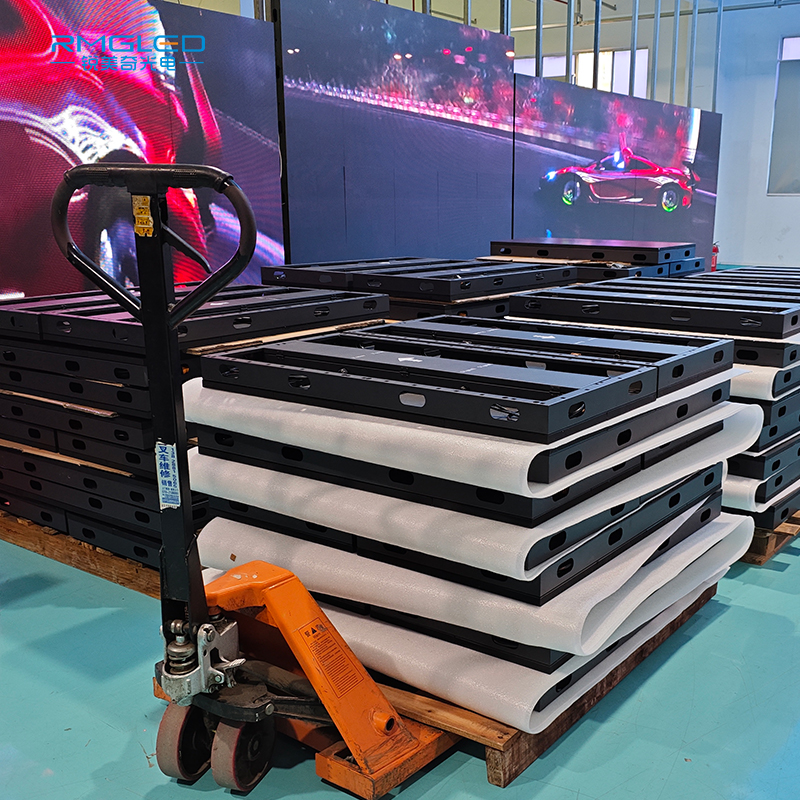
Өндөр чанарын LED дисплей сонгох нь үндсэн бүтэн бүрдүүлэлтээс илүү. Үнэнхүү дисплейн ажиллах чадвар нь харааны чанар, физик бүтцэд нарийн төвөгтэй бүтэц, урт хугацааны ажиллах тогтвортой байдлын дээр тулгуурлан бүрдүүлнэ. Мэргэжлийн LED дисплейн үүрэг нь тэнцвэрт гэрлэлт, нарийн өнгөний дүрслэл, гомоген гадаргууны талст байдал, найдвартай LED бүрдүүлэлтийн технологи ашиглан коммерци, индустриал ба гадаа рекламын сценариудад тогтвортой дүрслэл үзүүлэх явдал юм.
Гэрлэлтийн чадвар & Төлөөлөх харааны төвөгтэй бүтэц
Дэлгэцүүдийн гэрлэлт нитс-д хэмжигддэг бөгөөд шууд тодруулан үзэх чадварыг өөр өөр гэрлийн нөхцөлд тодорхойлдог. Стандарт дотоод LED дэлгэцүүд 800–1500 нитс хооронд тогтвортой ажилладаг бөгөөд уулзварын танхимууд, хүлээлтийн танхимууд, дотоод рекламын хана дэлгэцүүдийн хувьд хялбархан уншигдаж, тод зургийг үзүүлдөг.
Зөвхөн өндөр гэрлэлт хангалттай биш. Бүх дэлгэц даяар гэрлэлтийн нэдүүлт илүү чухам. Муу нэдүүлт нь тодорхой хар толгойнууд болон гэрлэт халуун цонхнууд үүсгэдөг, зургийн нэдүүлтійг саадтай болгодог бөгөөд үзэх туршлагыг муутгайдог.
Орчин үеийн үнэт LED дэлгэцүүд орчны гэрлийн сенсоруудтай хамт адаптив гэрлэлтийн технологийг ашигладаг. Дэлгэц орчны гэрлийн нөхцөлд харьяатан гэрлэлтийг автоматаар даргасаж эсвэл даргасаж өгдөг. Түүнээс бүхэлдүү бүх өдөр турш тааламжит бөгөөд тогтвортой үзэх чадварыг хангаж, хүчтэй өдрийн гэрлэнд зургийн тодролт алдагдаж, шөнө хүчтэй гэрлэлт нь хараа түүрхүүлж, үзэх туршлагыг муутгайхыг саадтай болгодог.
Контрастын харьцаа & Градацийн тогтвортой байдал
Контрастын харьцаа зурагт гүн, давхарга болон тодролыг тодорхойлдог. Түүн дээр хамгийн цагаан үзүүлэлт ба бүрэн хар түвшин хоорондын ялгаа илэрхийлдэг. 400 нитс хамгийн үзүүлэлттэй ба 0,2 нитс хар түвшинтэй өндөр чачин LED дэлгэц 2000:1-ийн анхны контрастын харьцаа хүртүлдэг. Энэ бүтэц баян сүүдрийн дэлгэрэнгүй мэдээллийг, цэвэр хар өнгөнүүдийг ба хүрээлэнгүй дунд өнгөнүүдийн градиентүүдийг үл хэт тодруулж, өнгөний алдагдалгүй хангаж өгдөг.
Ердийн дэлгэцүүд амьсгалын гэрэл ба отражение үед контрастыг хурдан алдаж үлддэг. Өндөр чачин LED дэлгэцүүд професиональ гэрэл тааруулж нехүүрхүүр хучилт ба нарийн грейскейл тохируулалтыг нэмдэг. Түүн дээр гэрлийн нөлөөллийг үл хүлээн авч, тонуудын тогтвортой ажиллах чадварыг хадгалж, төвөгтэй гэрлийн нөхцөлд ч тод давхарга бүтэц хангаж өгдөг.
Өнгөний хүрээ ба урт хугацааны цагаан тонуудын тогтвортой баланс
Дэлгэц дээрх өнгийн нарийн төвөгтэй бүрдүүлэлт нь дэлгэц хамгийн бодит зургийг хадгалж чадахыг үнэлдэг. Өндөр түвшний LED дэлгэцүүд DCI-P3 болон Rec.2020 стандартуудын өргөн өнгөн хүрээг дэмжинэ. Түүн дээр ярк, сүүдэртүүлсэн, амьд өнгөнүүд дүрсэлдэг, үүн нь телевизион студионууд, үйлдвэрлэлд хэрэглэдэг үзүүлэлтийн дэлгэцүүд, мөн өндөр түвшний коммерциал тэмдэглэлд онцгой чухал.
Ихэнх дэлгэцүүд урт хугацааны ажиллах үед дулааны нөлөөгөөр өнгөнүүд хазайж идэвхтүүлдэг. Ажиллах температур өсөх нь LED-ийн өнгөн температурыг өөрчилдөг, үүн дотор дэлгэц дээр шарлавтар эсвэл цэнхэр оттенк, түүн дээр цагаан тонисын тэнцвэр алдагдаж идэвхтүүлдэг. Хөгжсөн LED дэлгэцүүд ухаалаг дулааны нөлөөг нөхөн төлбөрлөх алгоритмуудыг агуулдэг. Түүн дээр цагаан цэгүүдийн калибровка бүх дэлгэц дээр бодит хугацаанд гүйцэтгэдэг, өнгөн хазайлтыг арилгадэг, урт хугацааны тасралтгүй дүрсэлдэг үед өнгөнүүдийн тогтвортой чанарыг хангадэг.
Пикселын зайг сонгох ба хэрэглээд тохируулах
Пикселын зайд нь хөрш LED гэрэлтүүлэгч бөмбөлгүүдийн хоорондын зайг хэлнэ, үүнээс пикселын нягт, тодрол ба оновчтой харах зай шүүдүүрдэн тодорхойлогддог. Бага пикселын зай, жишээ нь P1.2 ба P2 нь маш өндөр нягт пикселыг үүсгэнэ. Түүн дээр бичигт текст тод, нарийн дэлгэрэнгүй зүйлс ялгаран харагддог, мониторингын танхим, үзүүлэлтийн тал, студионы хана гэх мэт ойрхон харах нөхцөлд бүртүүн тохиромжтой.
Том пикселын зай, жишээ нь P6–P10 нь гадаа барилгын хуурцагуудад зориулж хийнэ. Харах зай 10 метртэй илүү бөмбөлгүүдийн том зайтай дэлгэцүүд нь үнэ ба дүрслэл хоёрын хооронд тэнцвэр тогтоож, хэт өндөр нягт пикселын хэрэгцээг арилгаж өгдөг.
Дэлгэцийн чанарыг зөвхөн бүтэн бүрдэл (резолюци) үүсгүүрт үндэслэн үнэлэх нь зөв биш. Ижил бүтэн бүрдэл хэт том ханад тархай харагддог, харин жижиг хэмжээт дэлгэц дээр маш нарийн дэлгэрэнгүй харагддог. Мэргэжлийн LED дэлгэц сонгохдоо үүрд пикселын зай, харах зай ба агуулгын төрлийг харилцан тохируулж үлддог. Бичигт агуулга видео тоглуулж буй хүрдүүн агуулгатай харьцуулж, нарийн пикселын зай шаардуулдог.
Гадаргуугийн тавьхан бүдүүн бүтэц ба холбоосгүй холбогч чанар
Гадаргуугийн талбайн хавтгай байдал нь зүүдгүй LED дэлгэцүүдийн үндсэн шаардлага юм. Бага зэрэг төвөгтэй гадаргуу нь харааны хазаилт ба харах үл хамаарах бүсүүд үүсгэнэ. Дэлгэцүүдийн индустрийн стандарт нь нийт талбайн хавтгай байдлын хүлээж авах хазаилтын хязгаарыг ±1 мм-д, модуль холбогч хоосон огторгуйн хэмжээг 1 мм-с бага байлгахыг шаардаж буй.
Жижиг зураглалын дотоодын дэлгэцүүдийн хувьд харагдахгүй нь холбогч шугамууд нь заавал шаардлагатай. Бага зэрэг хөдөлгөөн нь тод хар шугамуудыг үүсгэж, зургийн бүтэн байдалыг разрушаит. Итгэлт үйлдвэрлэгчид дэлгэцүүдийг хүргэх үед 100% талбайн хавтгай байдлын шалгалаа хийдэг, үүний тулд нарийн хийгүүдийн бүтцүүд ба професиональ калибратор ашигладаг. Талбайн хавтгай байдлын хатуу хяналт нь нийт тунгалаг байдал, нарийн зургийн дүрслэл ба урт хугацааны ашиглалт үед харааны саад үүсгэхгүй гэдгийг баталж буй.
LED-ийн баглаажуулалтын технологи ба урт хугацааны найдвартай байдал
Баглаажуулалтын технологи нь LED дэлгэцүүдийн түүний төвөгтэй байдал, ус ба тоосны хамгаалалт, мөргөлдөөнөөс хамгаалалт ба дараагийн үйлдүүлэлтийн зардлыг тодорхойлж буй. Дөрвөн гол баглаажуулалтын төрөл нь SMD, COB, GOB ба IMD.
SMD-ийн онцлог нь тусдаа холбогдсон гэрэл үүсгэгч дэлбүүс бөөрөнхий холболтын цэгтүүдтэй. Түүн дээр нэг цэгт засварлах боломж бүхдэлүүд, түүн дээр шууд засварлах боломж бүхдэлүүд. Гэтэл ил төрүүлсэн бүтэц нь тоос, чийг, хүчдлүүдтэй харьцан тулгардаг, түүн дээр тогтвортой дотоод орчинд ашиглахад илүү тохиромжтой.
COB-ийн баглаажилт нь олон гэрэл үүсгэгч чипс-ийг шууд дэд суурин дээр интеграцлан, хамгаалах смолаар хучин хамгаалдаг. Түүн дээр ил холболтын цэгтүүд арилгагдаж, дулаан салхилуулах чадвар сайжран, орчинд төвөгтүүдтэй харьцан тулгардаг чадвар ихэд сайжран, урт хугацааны тогтвортой дүрс үзүүлэлт үзүүлдэг.
GOB технологи COB-ийн үндсэн дээр нь бүтэн шиллэг шилжүүр хамгаалах давхарга нэмж хөгжүүлдэг. Түүн дээр хүчдлүүдтэй, хонхордуулахад, чийгт, коррозид төвөгтүүдтэй харьцан тулгардаг чадварыг хүчтэрүүлдэг, түүн дээр гадаа ба үйлдвэрлэлийн хатуу нөхцөлд ашиглахад хамгийн тохиромжтой.
IMD нь олон пиксел нэг модульд интеграцлан бүтээдэг. Түүн дээр традицион SMD-тэй харьцуулж контрастыг сайжруулж, холболтын цэгтүүдийн гэмтэл багасдаг, мөн хялбар засварлах чадварыг хадгалдаг.
Урт үйл ажиллагаа болон өндөр надеждности бүхий төслүүдийн хувьд COB ба GOB нь илүү дуртай шийдэл юм. SMD ба IMD нь тогтвортой нөхцөлд дотоод орчинд ашиглаж болох илүү хямд шийдэл юм.
Түүн дээрх асуулт хариулт
LED дэлгэц дээр «нит» гэж юу вэ?
Нит нь дэлгэцийн гэрлэлтийн нэгж юм. Илүү өндөр нит утга нь хүчтэй наранд илүү сайн харагдахыг, харин дундаж гэрлэлт нь дотоод орчинд амархан харахыг хангана.
Адаптив гэрлэлтийн давуу тал юу вэ?
Адаптив гэрлэлт нь орчинд буй гэрлийн нүхний хүчийг харгалзан дэлгэцийн гэрлэлтийг автоматаар тохируулдаг, үүнээс шүүрхүүн дэлгэц үүсэхгүй (бүхлээр нь гэрлэлт) өдрийн гэрлэнд, харин шөнө хэт их гэрлэлт үүсэхгүй.
Пикселын зайд яагаад анхаарах вэ?
Пикселын зай нь дэлгэцийн тодролыг ба харах зайг тодорхойлдог. Бага зай нь ойрхой харахад тохиромуй, харин том зай нь урт зайнд гадаа рекламд тохиромуй.
Аль LED баглаажуулалтын төрөл нь хамгийн надеждный вэ?
COB ба GOB баглаажуулалт нь илүү үүрдүүн бат бүтээмүй, мөргөлдөөн төвөгтүүн ба ус түүрдүүн чанарыг үзүүлдэг, урт хугацааны ба хүнд нөхцөлд ашиглахад тохиромуй.
