EN
EN

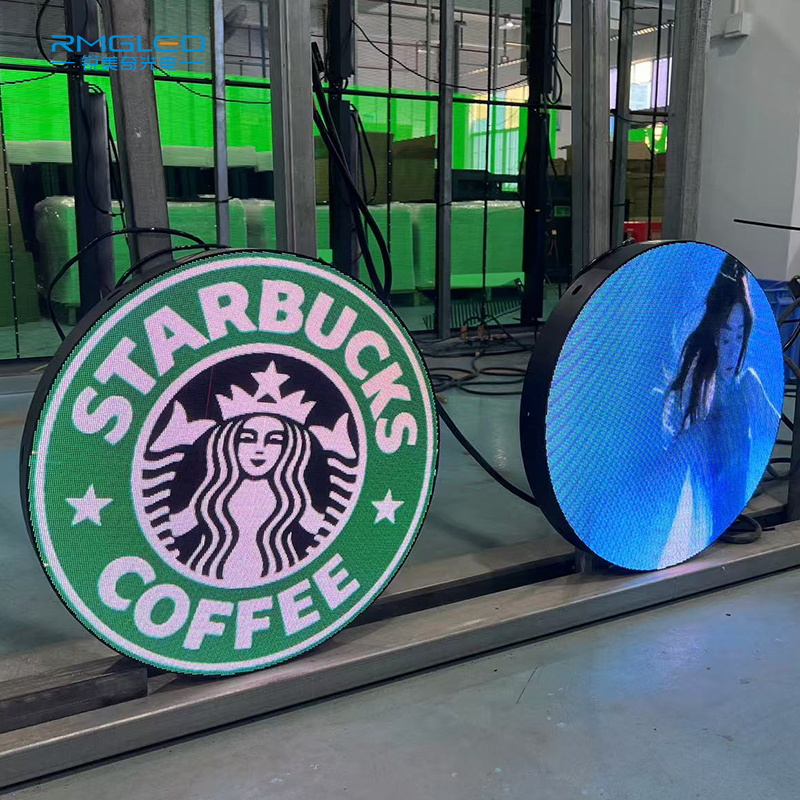
Մի քանի վայրերում և կենտրոնացված հեռարձակում աշխատակիցների և վարչական աշխատակազմի համար
Կարևոր հաղորդագրությունների տարածման համար օգտագործվում է LED էկրանների տեխնոլոգիան՝ արագ հաղորդագրությունների տարածման համար: Մեկ կառավարման վահանակի միջոցով աշխատակիցները կարող են տարածել հաղորդագրություններ ժամացույցների փոփոխությունների, դպրոցի քաղաքականության թարմացումների և նույնիսկ արտակարգ իրավիճակների մասին հաղորդագրություններ, որոնք ուղղված են դասասենյակներին, ընդհանուր տարածքներին և շենքերից դուրս գտնվող տարածքներին: Սա բարելավում է հաղորդակցությունը՝ համեմատած էլեկտրոնային փոստի միջոցով տարածվող հաղորդագրությունների կամ ոչ ոքի չկարդացվող թղթե պաստառների հետ: Վարչական աշխատակիցները կարող են նաև միաժամանակ կառավարել բոլոր էկրանները՝ հաշվի առնելով վատ եղանակային պայմանները կամ քաղաքավարության մեջ տեղի ունեցող զբաղված իրադարձությունների օրերը, որպեսզի խուսափեն էկրանների վրա վերջին րոպեին կատարվող ձեռքով թարմացումների անհրաժեշտությունից: Աշակերտները հեշտությամբ հարմարվում են վերջին րոպեի փոփոխություններին, իսկ քաղաքավարության տեխնոլոգիան մնում է աննկատ և շարունակում է գործել անհատական հաղորդագրությունների տարածման համար:
Արդյունավետ իրական ժամանակում տեղի ունեցող դեպքերի ծանուցումներ և արտակարգ իրավիճակների մասին ծանուցումներ քաղաքավարության տարածքում
Կրիզիսի դեպքում էկրանները՝ համակցված ձայնային համակարգերի հետ, առաջարկում են ավելի լավ նախազգուշացման մեթոդ և կենտրոնանում են տեսողական տարրերի վրա՝ այլ ոչ թե ձայնային տարրերի վրա: Քանի որ հեռախոսները կարող են անջատվել ձայնային ռեժիմից, իսկ ցանցում կարող է լինել խցանում, այդ դեպքում էկրանները շարունակում են հաղորդագրություններ ուղարկել: Օրինակ՝ սպառնալիքի դեպքում էկրանները ցույց են տալիս անվտանգության նախազգուշացում, իսկ հրդեհի կամ աղետի դեպքում՝ մարդկանց ցույց են տալիս, թե որտեղ պետք է գնան: Եթե իրավիճակի վերաբերյալ ցուցումները փոխվում են, էկրանները թարմացնում են ցուցումները՝ մնալու տեղում վերաբերյալ: Խունկը, մառախուղը և նույնիսկ մասնակի էլեկտրական մատակարարման ընդհատումը չեն խանգարում LED էկրանների տեսանելիությանը: Diversified ընկերության 2023 թվականի «Ռազմավարական անվտանգության տեխնոլոգիաներ» զեկույցում նշվում է, որ շատ դպրոցներ և ընկերություններ, որոնք օգտագործում են թվային ցուցանակներ, 75 %-ով կրճատում են արտակարգ իրավիճակների դեպքում արձագանքի ժամանակը՝ համեմատած այն ընկերությունների հետ, որոնք չեն օգտագործում այդպիսի ցուցանակներ: Սա մեծ տարբերություն է ստեղծում արտակարգ իրավիճակների ժամանակ բազմության վերահսկման մեջ:
Ինչպես կարող են օգտագործվել LED ցուցադրման էկրանները ուսուցման և ուսանողների ներգրավվածության բարելավման համար
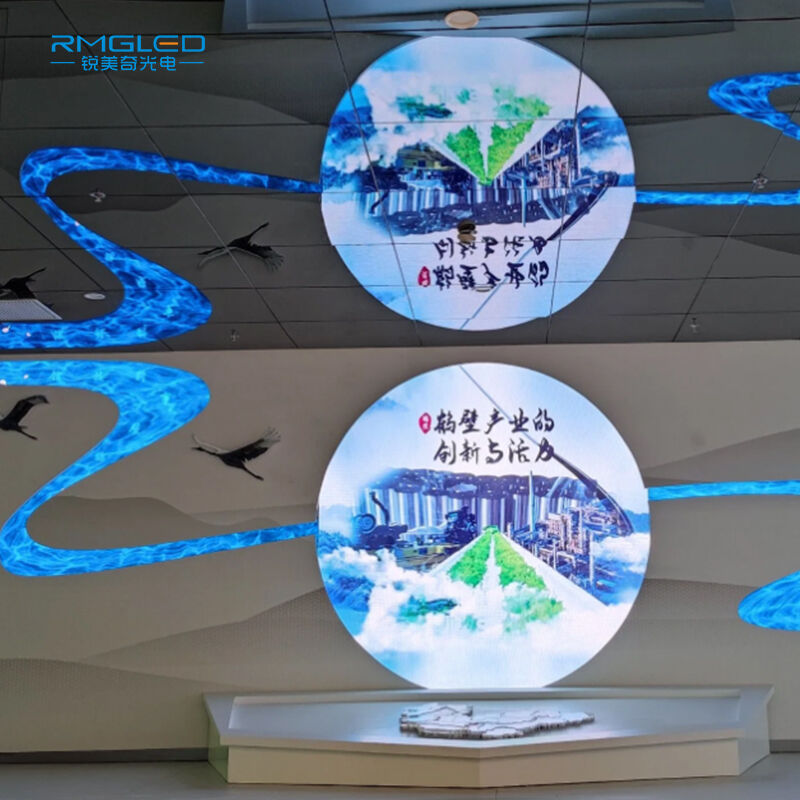
Վիզուալիզացիա, Ինտերակտիվ, Պեդագոգիկա, Բարձր պայծառություն, Լայն դիտման անկյուն
LED էկրանները օգնում են փոխել մարդկանց դասավանդման ձևը և օգնում են ուսանողներին ավելի լավ հասկանալ և ակտիվ մասնակցել դասին: Այս LED-ները բավարար պայծառությամբ են, որպեսզի դրանք տեսանելի լինեն ուժեղ արևի լույսի պայմաններում գտնվող դասասենյակներում: Ուսուցիչները կարող են ցուցադրել ուսանողներին բարդ դիագրամներ, պատմական ժամանակագրություններ և գծագրեր: Ուսուցիչները կարող են օգտագործել LED-ները դիագրամների և գծագրերի ցուցադրման, ինչպես նաև էկրանի վրա գրելու համար: Ուսանողները ավելի շատ կվայելեն դասը, երբ ներգրավված են, կարող են օգտագործել էկրանը իրենց ցուցադրելու համար և կառավարել ներկայացման որոշ մասեր: Ուսանողներին միայն խոսելով և էկրանի վրա բաներ ցուցադրելով դասավանդելը դժվարացնում է նրանց հիշելը: Գործնական մեթոդներով դասավանդելը օգնում է ուսանողներին երկար ժամանակ հիշել նյութը: Բոլոր ուսանողները չեն սովորում նույն ձևով: Բոլոր ուսանողները չեն սովորում նույն ձևով: LED-ների օգտագործումը ուսուցիչների կողմից նվազեցնում է ուսանողների սթրեսը: Դա օգնում է ուսանողներին ավելի շատ սովորել: LED-ների օգտագործմամբ դասավանդելը օգնում է ուսանողներին ավելի շատ սովորել:
Իմերսիվ մուլտիմեդիային ուսուցման փորձի օգտագործումը՝ ուշադրությունը, հիշողությունը և մասնակցությունը բարձրացնելու համար:
Երբ դպրոցները սկսում են օգտագործել նոր մեծ ԷԼԵԴ դասասենյակային էկրաններ, աշակերտները մնում են ավելի կենտրոնացած և ներգրավված, հատկապես երբ կարող են շփվել եւ փոխազդել 3D մոդելների եւ կրթական խաղերի հետ, քանի որ սովորում են ակտիվ մասնակցությամբ, այլ ոչ թե պասիվ լեկցիաների միջոցով: Հետաքրքիր է նշել, որ հետազոտությունները ցույց են տվել, որ դասասենյակում տեսանյութի եւ բարձրորակ ձայնի համադրումը միջինում 30%-ով մեծացնում է աշակերտների ուշադրության տևողությունը՝ համեմատած այն դասասենյակների հետ, որտեղ օգտագործվում են այլ նյութերի տրամադրման ձևեր: Այս մեթոդաբանությունը արդյունավետ է տարբեր սովորելու ոճերի լայն շրջանակում՝ ինչպես լսողական, այնպես էլ տեսողական սովորողների համար, ինչպես նաև օգտակար է այն աշակերտների համար, ովքեր սովորելիս ավելի ֆիզիկապես ակտիվ են պետք ունենում: Հասկանալով, որ կենսաբանության դասարանում աշակերտները ավելի հեշտությամբ կըմբռնեն եւ կպահպանեն միտոզի գործընթացի մասին տեղեկատվությունը, 3D անիմացիայի օգտագործումը՝ որպեսզի աշակերտները վիրտուալ կերպով «պտտվեն» բջիջի շուրջը, երբ այն բաժանվում է, ակնհայտ առավելություն է: Ո՞վ չէր նախընտրի տեղեկատվական եւ դասընթացը ներգրավող սովորելու փորձ ունենալ:
Օպերացիոն խնայողություններ և LED դիսպլեյների կայունության առավելություններ
Նոր LED էկրանները շահագործելու համար ավելի քիչ են ծախսվում, քան ավանդական անալոգային դիսպլեյները:
Ըստ արդյունաբերության տվյալների՝ համեմատած հին մոդելների հետ, այս էկրանները օգտագործում են մոտավորապես 40–60 տոկոսով ավելի քիչ էլեկտրական էներգիա: Երբ քոլեջներն ու համալսարանները գնում են տասնյակ այսպիսի էկրաններ, ապա ծախսերի նվազեցումը կարևոր նշանակություն ունի: Ավելին՝ այս դիսպլեյները շատ ավելի երկար են ծառայում, հաճախ գերազանցելով 100.000 ժամ աշխատանքային ժամանակ, ինչը նշանակում է՝ ավելի քիչ փոխարինումներ և վերանորոգման այցեր: Շրջակա միջավայրի առումով՝ էլեկտրական էներգիայի ավելի քիչ օգտագործումը հնարավորություն է տալիս հաստատություններին զգալիորեն նվազեցնել իրենց ածխածնի հետքը: Քանի որ LED-ները երկար են ծառայում, այդ պատճառով ավելի քիչ էլեկտրոնային թափոններ են առաջանում կործանված կամ փոխարինված սարքավորումներից: Շատ դպրոցներ կարողանում են վերահղել LED նշանային սարքավորումների անցման շնորհիվ ստացված խնայողությունները դասարանների, գրադարանների և ուսանողների աջակցության ծառայությունների համար: Այս խնայողությունները ոչ միայն մարքեթինգային միջոցառում են, այլև իրական գումար են, որը կարող է օգտագործվել կրթության բարելավման համար:
Պատասխանատու քամպուս՝ օգտագործվում է դպրոցական ժամերից դուրս
Աջակցում է համագումարների, ուղղորդման, միջոցառումների գովազդման և համայնքի ներգրավման
Ամբողջ քամփուսում LED էկրանները ձևափոխում են անգործունեության մեջ գտնվող տարածքները ֆունկցիոնալ վայրերի: Իրական ժամանակում դիսպլեյները կարող են հեռարձակել ելույթների ձայնային տարբերակները և հանդիպումների ամսաթվերը տարբեր քամփուսային շենքերում: Ուղղորդման համար շատ դպրոցներ օգտագործում են թվային էկրաններ՝ իրական ժամանակում ցուցադրելու թարմացված քարտեզներ և ուղղորդումներ, որպեսզի խուսափեն դասերի փոփոխության ժամանակ խճողվածությունից: Մեկ հետազոտություն ցույց է տվել, որ դասերի փոփոխության ժամանակ խճողվածության նվազեցման մեջ տեղի է ունեցել 30 %-անոց բարելավում: Բացի այդ, թվային սայնեյջը օգտակար միջոց է մեծ միջոցառումների գովազդման համար: Այս դիսպլեյները տեղակայված են բարձր շրջանառությամբ տարածքներում, ինչպես օրինակ՝ ուսանողական բնակարաններում, սննդի սպասարկման կետերում և տրանսպորտային կանգառներում: Շենքերի հիմնական մուտքերի մոտ տեղակայված համայնքային տախտակները օգտագործվում են գործընկերության նախաձեռնությունների, կամավորական հնարավորությունների և տեղական իշխանությունների կարևոր հայտարարությունների մասին տեղեկացնելու համար: Այս կապը ամրապնդում է քամփուսի արժեքը դասասենյակից դուրս:
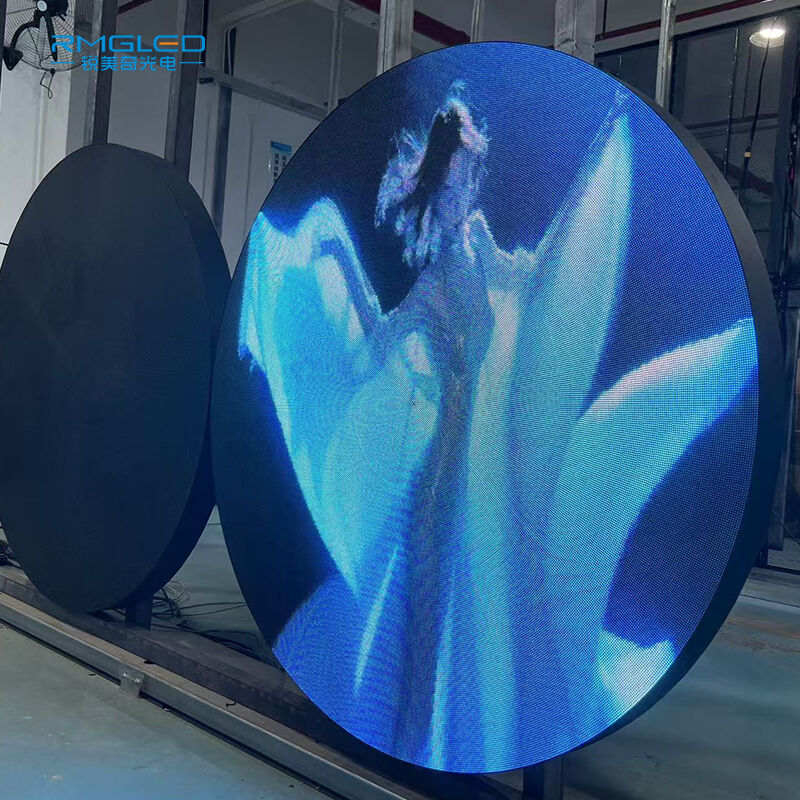
Դպրոցական հպարտության ձևավորում մարքեթինգի և տեխնոլոգիայի միջոցով
Կամպուսի շուրջ տեղադրված LED էկրանները ցուցադրելով դպրոցի գույները, մասկոտները, սպորտային հաղթանակները և ակադեմիական ձեռքբերումները՝ ցույց են տալիս դպրոցական հպարտությունը: Դա բարձրացնում է հնարավոր ուսանողների շրջանում բրենդի ճանաչման մակարդակը: Վերջերս կատարված որոշ ուսումնասիրություններ ցույց են տալիս, որ բարձրագույն կրթության ոլորտում թվային մարքեթինգի կիրառումը մոտավորապես 90%-ով բարելավում է բրենդի հիշողության մակարդակը: Էկրանները նայելիս թվում են, թե դրանք հարմարվում են ցանկացած շենքի՝ արդյոք դա 1800-ականների հին մարմարե շենք է, թե՞ ամբողջովին նոր՝ ապակուց և երկաթից պատրաստված շենք: Բարձրորակ թվային նշանների կիրառումը կապված է STEM ուղղությամբ դիմումների 22%-ով աճի հետ: Երբ մարդիկ տեսնում են այդ նշանները, ենթադրում են, որ այդ հաստատությունները տեխնոլոգիապես զարգացած են և ցանկանում են դրանց միանալ: Դա հատկապես կարևոր պահերին՝ ավարտական արարողությունների, գնահատականների և արտակարգ իրավիճակների ժամանակ էկրանների դիտման միջոցով ստեղծում է վստահություն: Երբ էկրանները աշխատում են, դա նկատում են ուսանողները, ուսուցիչները և այլ հաստատություններ:
Հաճախ տրամադրվող հարցեր
Ինչպե՞ս են LED էկրանները օգնում կամպուսում արտակարգ իրավիճակների դեպքում արձագանքի տրամադրման գործում:
LED էկրանները տրամադրում են գրաֆիկա վթարման մասին զգուշացման հաղորդագրությունների վերաբերյալ, որոնք օգնում են ղեկավարել արտակարգ իրավիճակների արձագանքը՝ օգտագործելով ձայնային զգուշացման համակարգ: Դրանք կարող են օգնել ծանուցել և ղեկավարել արձագանքը՝ անկախ նրանից, թե արդյոք վթարման մասին հաղորդագրությունները ուղարկվել են ուսանողների հեռախոսներին, և անկախ նրանից, թե արդյոք ցանցը ծանրաբեռնված է, ինչը հնարավորություն է տալիս անմիջապես ուղարկել հաղորդագրություններ:
Ի՞նչ են ավելացնում LED էկրանները ուսուցման փորձին:
LED էկրաններ: Ինտերակտիվ ուսուցումը կօգնի պահպանել ուսանողների ուշադրությունը և ներգրավվածությունը: Ուսանողների ձեռքբերումների մակարդակը և նստատեղերի որակը կբարելավվեն, քանի որ ուսանողների տեղեկատվության պահպանման մակարդակը կաճի:
Ինչպե՞ս են LED էկրանները դպրոցներին գումար խնայեցնում:
LED էկրանների շահագործման ծախսերը ցածր են, ինչը դպրոցներին թույլ է տալիս խնայել էլեկտրաէներգիայի վրա 40–60 %: Դրանք ավելի էժան են շահագործելու համար և կնվազեցնեն վերանորոգումների ու փոխարինումների հաճախականությունը:
Ի՞նչ այլ նպատակներ ունեն LED էկրանները՝ դասասենյակից դուրս:
LED էկրանները օգտագործվում են նաև համաժողովների, ուղղորդման (wayfinding) և միջոցառումների գովազդման համար: Դրանք կարող են օգտագործվել համայնքի ներգրավման և քարտեզագրման (campus branding) համար:
Բովանդակության սեղան
- Մի քանի վայրերում և կենտրոնացված հեռարձակում աշխատակիցների և վարչական աշխատակազմի համար
- Վիզուալիզացիա, Ինտերակտիվ, Պեդագոգիկա, Բարձր պայծառություն, Լայն դիտման անկյուն
- Օպերացիոն խնայողություններ և LED դիսպլեյների կայունության առավելություններ
- Պատասխանատու քամպուս՝ օգտագործվում է դպրոցական ժամերից դուրս
- Դպրոցական հպարտության ձևավորում մարքեթինգի և տեխնոլոգիայի միջոցով
- Հաճախ տրամադրվող հարցեր