 EN

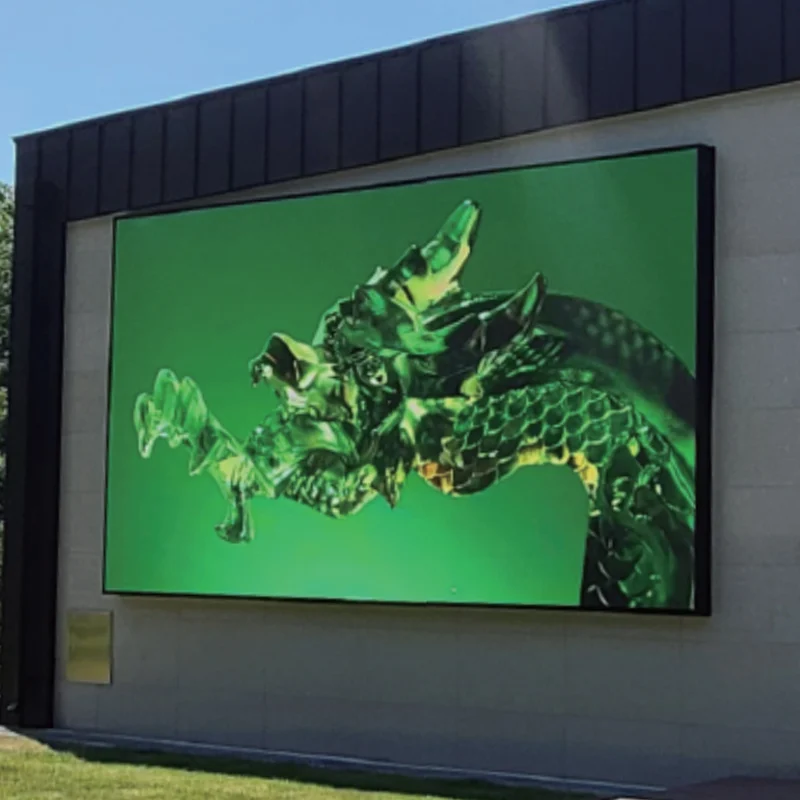
Implentare signum digitalium magni momenti requirit constantem, perfectam operationem ut famam marcati tueatur, engagementem spectatorum servet, et satisfactionem publicorum conservet. Subita defectio in schermo led commerciali statim experientiam spectatoris perturbat, aestheticae gratiae minuit, et de fideli systematis dubia suscitat. Inter difficultates frequentissimas quae curam postulant, scintillatio schermi eminet ut quaestio urgens quae proceduras diagnosticas structuratas, gradatim adhibendas postulat [fonte: 2, 5]. Neglectus horum praeludiorum praecocium ducere potest ad gravem deterioriationem apparatus, ad subitam partium defectionem, aut ad caras visitationes emendationis urgentis. Operatoribus mediorum, integratoribus systematum, et curatoribus aedificiorum, cognoscere causas primarias instabilitatis visualis necessarium est ad operationem continuam servandam et ad reditum in investitiones display maximizandum.
Impactus Financiaris et Marcati ex Scintillatione Schermi
Flickering visibilis aut lineae stroboscopicae in tabula digitali non solum videntur non professionaliter; sed etiam causare possunt incommoda physica vera, ut fatigatio oculorum, cephaleae, et fatigatio visualis pro spectantibus proximis [fonte: 2, 7, 8]. Si tabula venditionis aut schermum publicitatis viarum ostendit lampanem notabilem, transeuntes naturaliter avortunt, directe minuentes visibilitatem advertisementis et effectum campaniae. Praeterea, instabilitas electrica aut signalis prolongata demum nocere potest diodis emittentibus lucem sensibilibus et chippis ducendis, ducens ad defectus tabularum catenatos. Agendo super his rebus cito, praeventur cadences minimae signali ex evolvendis in interruptiones totales et systematis universales.
Flicker Visibilis contra Lineas Scansionis Camerarum Velocitatis Altae
It is important to distinguish between visible flicker, which is easily seen by the human eye, and camera flicker, which appears as dark rolling lines on smartphone screens or broadcast video [source: 2, 4]. Visible flicker typically operates at lower frequencies, below 80 Hertz, and points to basic hardware issues like unstable power or loose cables [source: 2, 7]. Camera flicker, on the other hand, occurs when the display refresh rate does not sync with a camera shutter speed [source: 4]. Solving this requires matching the camera settings or upgrading to a high refresh rate controller that operates at 3840 Hertz or higher to ensure flicker-free recording [source: 4, 11].
Commercial Event Case Study: Critical Signal Restoration
Operational Scenario: Midday Live Product Launch Event
An international automotive brand hosted a live press conference inside a historic convention hall in Chicago to launch a new electric vehicle. The main stage backdrop featured a high-resolution 150-square-meter LED screen showing real-time 4K video feeds and promotional content to three hundred on-site journalists and global live-stream viewers.
Challenges: Sudden Visual Jitter and High-Definition Camera Interference
Ten minutes before the live broadcast, the technical crew noticed severe visual instability. The entire center-left portion of the wall began flashing irregularly, while the broadcast cameras picked up thick, dark rolling scan lines across the entire display. The rapid visual jitter made the on-screen text unreadable for the cameras, risking the visual quality of the highly publicized launch and threatening to delay the event.
Engineered Solution and Rapid Troubleshooting Steps
The lead AV technician initiated a structured, five-minute diagnostic procedure. By isolating the flickering to a specific cabinet column, the technician ruled out a global processor issue and focused on localized connections [source: 4, 5]. The team swapped out a suspected RJ45 network cable between the receiving cards and re-secured a loose flat ribbon cable inside the malfunctioning cabinet [source: 2, 5]. Simultaneously, using the control software, the technician adjusted the display parameters, increasing the refresh rate of the receiving cards to 3840 Hertz and fine-tuning the camera shutter speeds to eliminate the rolling lines [source: 4, 11, 12].
Fāsīs Dīagnostica
Identified Issue
Actio Correctiva
Operational Result
Step 1: Visual Isolation
Localized cabinet column jitter
Checked signal flow of the local receiving card
Confirmed issue was not a global processor fault
Step 2: Cable Assessment
Damaged RJ45 cable, loose ribbon cable
Replaced Ethernet cable, re-seated module ribbons
Restored stable local data transmission
Step 3: Software Sync
Rolling camera scan lines
Boosted refresh rate setting to 3840 Hertz
Eliminated camera flicker for the broadcast
| Fāsīs Dīagnostica | Identified Issue | Actio Correctiva | Operational Result |
|---|---|---|---|
| Step 1: Visual Isolation | Localized cabinet column jitter | Checked signal flow of the local receiving card | Confirmed issue was not a global processor fault |
| Step 2: Cable Assessment | Damaged RJ45 cable, loose ribbon cable | Replaced Ethernet cable, re-seated module ribbons | Restored stable local data transmission |
| Step 3: Software Sync | Rolling camera scan lines | Boosted refresh rate setting to 3840 Hertz | Eliminated camera flicker for the broadcast |
The quick intervention solved the problem five minutes before the broadcast began. The display maintained perfect visual clarity throughout the two-hour event, ensuring the vehicle launch was captured beautifully on global broadcasts.
Technical Analysis of Display Flickering Mechanisms
Power Supply Instability and Voltage Fluctuations
Potentia instabilis est causa principalis micationis schermi [source: 1, 2]. Moduli LED requirunt potentiam directam (DC) stabilem valde et ad voltam parvam ut fulgor constans maneat. Si potentia principalis alternans (AC) fluctuat, aut si alimentum per interruptorem oneratur nimis, voltatio exiens cadit infra limitem minimum quod integratae circuitus (IC) impellentes currentem constantem postulant [source: 4]. Haec diminutio voltationis causat ut singulae tabulae micent vel hebetentur, praesertim dum contenta alba lucida et altae potentiae ostenduntur [source: 2, 4]. Certificare oneris potentiae aequilibrati per omnes fases et usus alimentorum potentiae regulatorum atque optimae qualitatis huiusmodi micationem a voltatione ortam prohibet [source: 4].
Integritas Transmissionis Signi et Limites Longitudinis Cavi
Degradatio signi dati est altera causa communis comportamenti erratici schermi [source: 2]. Data digitalia video transmittuntur ab cartis mittentibus ad cartas accipientes per cibos aereos Ethernet standardes [source: 2, 4]. Si cibus Ethernet superat limitem recommendatum nonaginta metrorum, aut si connectores RJ45 male constringuntur, attenuatio signi et interventus electromagneticus possunt evenire [source: 2, 4]. Hoc signum infirmum ducit ad amissionem pachetorum, quae cartae accipientes difficulter tractare possunt, resultans in scintillatione schermi fortuita et locali aut in tremore pixel [source: 2, 5].
Frequencia Renovandi et Configuratio Impulsoris Graduum Grisei
The refresh rate, measured in Hertz, is the number of times per second the LED screen redraws its image [source: 11, 15]. Standard displays often operate at a basic 1920 Hertz refresh rate, which is fine for the human eye but often causes rolling lines on modern high-speed cameras [source: 11]. Advanced displays utilize pulse-width modulation (PWM) driver chips that achieve high refresh rates of 3840 Hertz or higher [source: 4, 11]. Properly configuring the driver IC clock speed and loading the correct configuration file onto the receiving cards is essential to keeping the display synchronized and stable [source: 4, 12].
Quality Standards and Preventative Maintenance
International Compliance and Quality Standards
Cum emuntur aut installatur display commerciales, verificatio adhaesionis ad normas internationales ingeniorum et securitatis est clavis ad fidem diuturnam. Systemata fida adhaerent normis compatibilitatis electromagneticae, ut FCC Part 15 et directiva Europaea CE, quae certificant display non emittere nec pati interferences electromagneticas nimias. Supplicationes electricae debent habere certificationes securitatis agnitas, ut UL aut TÜV, quae confirmant eas posse fluctuationes tensionis tutissime sustinere. Praeterea, installationes structurales debent satisfacere requisita localia venti et oneris, ut ea quae definivit Societas Americana Ingeniorum Civilium (ASCE 7), ut integritas structurae extra aedificia protegatur.
Ritus Praeventivae Custodiae et Inspectionis
Regularis praeventiva cura est optima ratio ut flickering schermi primum non eveniat [source: 2]. Aequipes curae debent semel in anno bis inspicere omnes cassetas distributionis electricitatis, et constringere vitreas terminales ut cadere voltages prohibeantur. Inspectio connectorum dati RJ45 et substitutio vetustorum cabilorum connexorum signalis amissionem prohibet [source: 2, 5]. Pro schermis externis, manere vias ventilationis apertas et removere pulverem aut deposita salis ab modulis impedit accumulationem caloris, ita ut delicatae ICs ductrices et suppletiones electricitatis intra suos fines thermicos securi operentur [source: 2, 4].
Questiones Frequentes et Responsiones Expertorum
Quaestiones Frequentes
Quaestio
Cur schermum LED flickerat cum per camaram telephonici smartphone videtur?
Responsum
Camera flickering occurs because of a mismatch between the screen refresh rate and the camera shutter speed [source: 4]. If the screen refresh rate is set too low, the camera captures the rapid, micro-second on-off cycles of the LEDs as dark, rolling scan lines [source: 4, 7]. Upgrading to high refresh rate receiving cards that operate at 3840 Hertz or higher solves this, ensuring smooth, flicker-free images on camera [source: 11, 12].
Quaestio
How can I tell if flickering is caused by a hardware fault or a software setting?
Responsum
If the flickering is synchronous across the entire screen, it is usually a software configuration issue, a refresh rate mismatch, or an unstable main power source [source: 4, 5]. If the flickering is localized to a single cabinet or module, it is typically a hardware issue, such as a loose ribbon cable, a damaged RJ45 cable, or a failing local power supply [source: 2, 4, 5].
Quaestio
Can a faulty Ethernet cable cause an entire LED display wall to flicker?
Responsum
Yes, if the faulty Ethernet cable is the main data link connecting the sending card to the very first receiving card in the chain [source: 2, 4]. A damaged or overly long cable at this critical junction will disrupt the entire data stream, causing signal dropouts and synchronized flickering across the entire video wall [source: 2, 4, 5].
Quaestio
Does operating a display at low brightness levels increase the risk of screen flicker?
Responsum
Some displays that use basic pulse-width modulation (PWM) dimming can exhibit noticeable flicker when brightness is turned down very low [source: 2, 7]. This happens because the "on" cycle of the LEDs becomes extremely short. Using advanced PWM driver ICs with high-frequency dimming prevents this, maintaining a stable, flicker-free image even at low brightness [source: 4, 11, 12].
Quaestio
What is the recommended maximum cable length for data transmission to prevent signal drops?
Responsum
Cables Ethernet categoria 6 in rame standard non devent superare novanta metri tra il controllore e lo schermo, o tra singuli armadi, per prevenire l’attenuazione del segnale [fonte: 2, 4]. Per installazioni che richiedent distanze maggiori, l’uso di cables in fibra ottica con convertitori di media affidabili garantisce la trasmissione dati ad alta velocità e senza interferenze su diversi chilometri.
Index Rerum
- Commercial Event Case Study: Critical Signal Restoration
- Fāsīs Dīagnostica Identified Issue Actio Correctiva Operational Result Step 1: Visual Isolation Localized cabinet column jitter Checked signal flow of the local receiving card Confirmed issue was not a global processor fault Step 2: Cable Assessment Damaged RJ45 cable, loose ribbon cable Replaced Ethernet cable, re-seated module ribbons Restored stable local data transmission Step 3: Software Sync Rolling camera scan lines Boosted refresh rate setting to 3840 Hertz Eliminated camera flicker for the broadcast
- Technical Analysis of Display Flickering Mechanisms
- Quality Standards and Preventative Maintenance
- Questiones Frequentes et Responsiones Expertorum
