 EN
EN

أي سيناريوهات الصناعة تستفيد أكثر من استخدام شاشات LED الشفافة؟
خطّط فريق الإدارة في مركز تسوق راقٍ في منطقة جينغآن في شنغهاي لتثبيت شاشة عرض ليد كبيرة الحجم على جدار الزجاج المُكوِّن للرواق الداخلي المرتفع ٣٠ مترًا، وذلك لعرض إعلانات العلامات التجارية والصور الترويجية الخاصة بالحملات الموسمية. واقترح المشروع الأولي استخدام شاشة عرض ليد من نوع سامد القياسية، والتي كانت ستغطي ٨٠٪ من سطح الزجاج بألواح خارجية معتمة، ما يحجب الضوء الطبيعي بالكامل تقريبًا، ويحبس الحرارة خلف الجدار، ويجعل الرواق الداخلي ذا الخمسة طوابق مكانًا جوّه مظلمٌ ومغلق. وقد قدّم مستأجرو الطوابق الثالثة والرابعة والخامسة اعتراضات رسمية قبل أسبوعين من الموعد المقرر لتثبيت الشاشة. والحل الذي أنهى حالة الجمود كان: شاشة LED شفافة بشفافية تبلغ ٧٥٪، مُركَّبة على إطارات ألومنيوم خفيفة الوزن تركت ٤٢٠٠ قدمًا مربعًا من الزجاج غير محجوب. واستمرت الإضاءة الطبيعية في غمر الرواق. وبقيت رؤية واجهات المتاجر من الطوابق العليا سليمة. أما المحتوى الرقمي — الذي كان مرئيًّا من مستوى الشارع على بعد ٢٠٠ متر — فقد حقَّق زيادة تقديرية بنسبة ٢٢٪ في أعداد الزوَّار إلى المتاجر التجزئة المُروَّجة خلال الربع الأول بعد التركيب.
واجهات المتاجر التجزئة — التطبيق الرائد
تمثل واجهات المتاجر التجزئة أكبر سيناريو نشر لـ شاشات LED الشفافة ، حيث تشكِّل ما يقدَّر بـ ٦٥–٧٠٪ من الوحدات المُركَّبة عالميًّا. والسبب بسيط: فالمتجر التجزئي لا يملك سوى فرصة واحدة لجذب انتباه المارة — وهي الزجاج المواجه للشارع. وتغطية هذا الزجاج بشاشة رقمية معتمة تُضحِّي بالرؤية الداخلية التي تجذب العملاء لدخول المتجر. أما ترك الزجاج عاريًا فيضحي بالقدرة على سرد القصص الرقمية التي يتوقعها المستهلكون المعاصرون.
أ شاشة LED شفافة يحل كلا القيدَين في الوقت نفسه. وبمعدلات شفافية تتراوح بين ٧٠٪ و٩٥٪ — حسب مسافة البكسل وكثافة الصمامات الثنائية الباعثة للضوء — يعرض الشاشة محتوى فيديو ساطعًا ومُلوَّنًا بالكامل، مع السماح للمارة برؤية الجزء الداخلي من المتجر خلف الشاشة. وفي متجر راقٍ لساعات اليد بداخل أحد المراكز التجارية في طوكيو، استُخدمت شاشة LED شفافة من نوع P3.9 شاشة LED شفافة تغطي النافذة كاملةً بعرض أربعة أمتار، وتعرض مقاطع فيديو دوَّارة تُبرز التفاصيل الدقيقة للمنتجات وأفلامًا عن تراث العلامة التجارية وبشدة إضاءة تبلغ ١٢٠٠ نيت — وهي مرئية بوضوح حتى في ظل الإضاءة المحيطة بالمول التجاري — بينما ظل بإمكان الزوَّار داخل المتجر رؤية الشارع من الخارج، كما أمكن للمارة رؤية عروض الساعات وموظفي المبيعات من خلال الشاشة. وأفاد المتجر بأن متوسط مدة التفاعل مع عرض النافذة — المُقاسة بعدد الثواني التي يقف فيها المارّة عادةً لمشاهدة العرض — ارتفعت من ٢,١ ثانية (مع العرض الثابت) إلى ٨,٧ ثانية (مع المحتوى الرقمي الشفاف على شاشات LED)، أي بزيادة نسبتها ٣١٤٪.
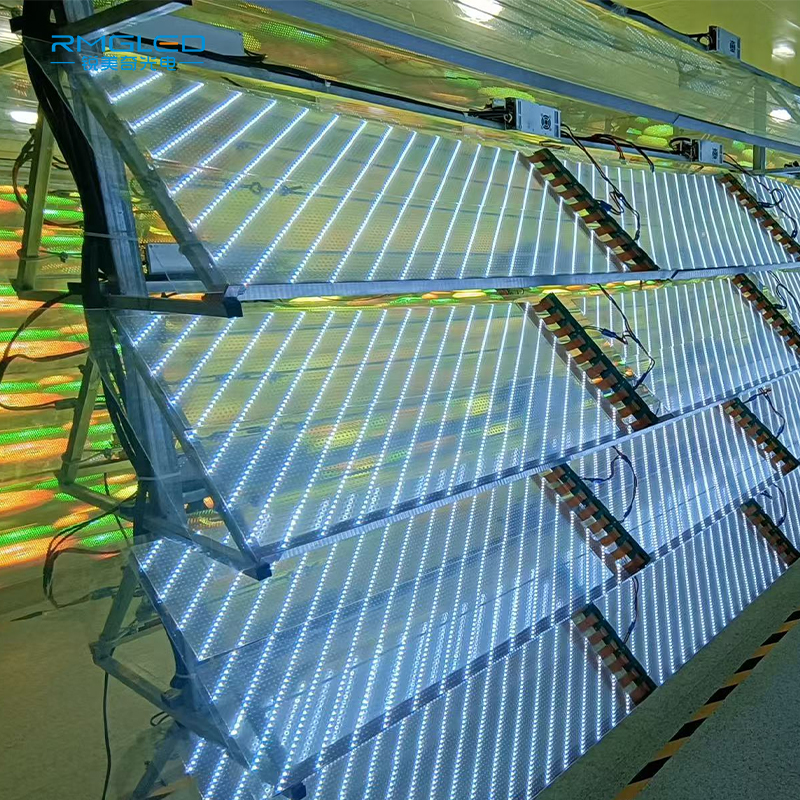
العامل التقني الذي يجعل شاشات LED الشفافة يُعَدُّ معيار التصميم المُجوَّف مناسبًا لنوافذ البيع بالتجزئة — أي نسبة مساحة سطح الوحدة التي تشكِّلها المساحات الفارغة فعليًّا بين شرائط الصمامات الثنائية الباعثة للضوء (LED). وت logِح وحدة LED شفافة نموذجية ذات دقة P3.9–P7.8 نسبة انفتاح فيزيائية تتراوح بين ٥٠٪ و٧٠٪، وذلك بفضل ترتيبها على هيئة شبكة من الشرائط، حيث تُركَّب رقائق LED على قضبان لوح دوائر مطبوعة ضيِّقة تفصل بينها مسافات منتظمة. والضوء المنبعث من هذه الصمامات ذو اتجاه محدَّد — إذ تمتلك رقائق SMD زوايا رؤية أفقية قدرها ١٤٠ درجة ورأسية قدرها ١٢٠ درجة — ما يجعل المحتوى المعروض مرئيًّا للمشاة من زوايا اقتراب واسعة، بينما تسمح الفراغات بين الشرائط بمرور الضوء المحيطي من الخلف، مُولِّدةً بذلك تأثير الشفافية.
الجدران الزجاجية المعمارية
السيناريو الثاني الرئيسي للاستخدام هو التكامل المعماري على نطاق واسع — مثل الواجهات الإعلامية على الأبراج التجارية والمقرات الرئيسية للشركات والمشاريع المُدمَجة. وعلى عكس نوافذ المتاجر التي تهدف في المقام الأول إلى جذب المارة، فإن الاستخدام المعماري يوازن بين ثلاثة متطلبات متنافسة: وضوح المحتوى الرقمي، والحفاظ على الإضاءة الطبيعية داخل المبنى، والحفاظ على النزاهة الجمالية للمبنى.
أ شاشة LED شفافة التركيب على حائط ستار زجاجي يلبّي هذه المتطلبات الثلاثة جميعها. فلنأخذ مثالاً ببرج مكتبي مكوّن من أربعين طابقًا، حيث يرغب المطوّر في أن تكون الواجهة الإعلامية مرئية من مسافة كيلومترين عبر أفق المدينة. ولتحقيق ذلك، ستحتاج شاشة إل إي دي الخارجية التقليدية إلى عشرات الآلاف من اللوحات غير الشفافة، ما يؤدي إلى إغلاق النوافذ، وإلغاء الإضاءة الطبيعية عن العاملين في المكاتب في كل طابق خلف الشاشة، كما تتطلب نظام تركيب هيكلي يضيف ما بين ٢٥ و٣٥ كيلوجرامًا لكل متر مربع على واجهة الحائط الساتر — وهي حمولة قد تتجاوز حدود التحمل الهندسية الأصلية لهذا الحائط.
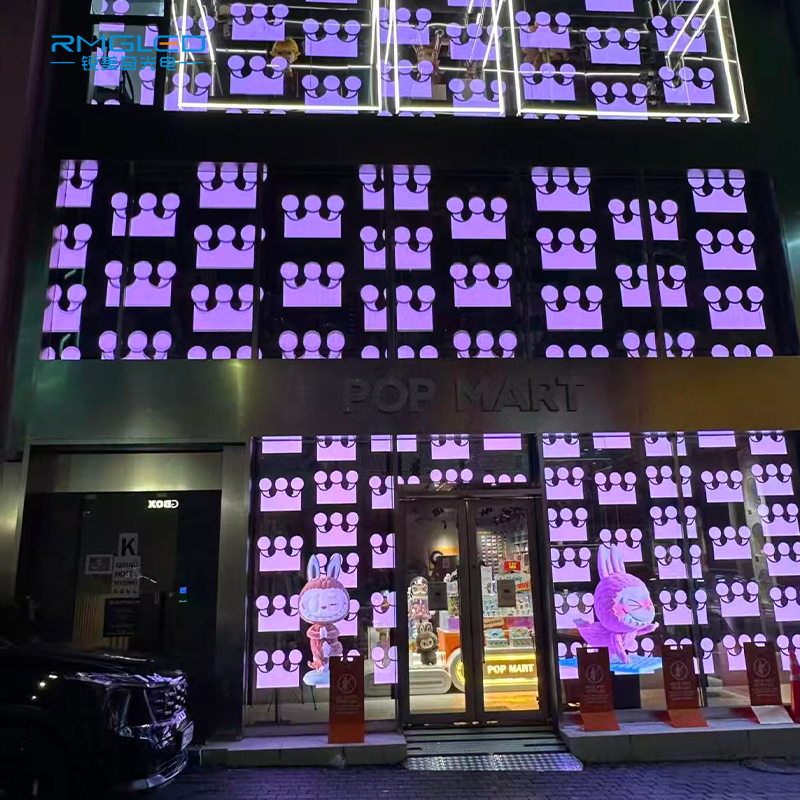
عالية الشفافية شاشة LED شفافة يمكن تركيب النظام — الذي تبلغ نسبة شفافيته ٨٠–٩٠٪ ووزنه ٨–١٢ كيلوغرامًا لكل متر مربع بالنسبة إلى التجميع الكامل للتركيب — مباشرةً على أعمدة الجدران الستارية الموجودة دون الحاجة إلى تعزيز هيكلي. ويظهر المحتوى بوضوح في الليل وأثناء ساعات الغسق من مسافات مشاهدة تمتد إلى مستوى المدينة، وذلك لأن سطوع الصمامات الثنائية الباعثة للضوء (LED) — والذي يتراوح عادةً بين ٥٠٠٠ و٦٠٠٠ نيت للنماذج المصممة للاستخدام الخارجي — يتناقض تناقضًا حادًّا مع السماء المظلمة. أما في النهار، فإن الشفافية تسمح للمبنى بأداء وظائفه بشكل طبيعي، حيث يتلقى العاملون في المكاتب ضوء النهار والمشاهد الخارجية عبر الشاشة.
المعيار الصناعي ذي الصلة هنا هو المعيار الأوروبي EN 13830 الخاص بأنظمة الجدران الستارية، والذي يحدد متطلبات مقاومة حمل الرياح واختراق المياه والأداء الهيكلي. شاشة LED شفافة يجب أن يُثبت النظام المُركَّب على الجدار الساتر أن الحمولة الميتة الإضافية وحمولة الرياح لا تؤدي إلى تجاوز إجمالي حمل الواجهة للقيم التصميمية الأصلية. ويجب أن تقدِّم الشركات المصنِّعة التي تُوفِّر شاشات ليد شفافة خارجية ذات درجة حماية IP65 للتطبيقات المعمارية بيانات اختبار نفق الرياح أو تحليل ديناميكا الموائع الحاسوبي الخاص بالهندسة الهندسية المحددة للتثبيت.
المعارض والمسارح ومراكز النقل
تشمل الفئة الثالثة من سيناريوهات النشر التثبيتات المؤقتة وشبه الدائمة في المعارض التجارية والإنتاجات المسرحية والمطارات ومحطات النقل — وهي بيئاتٌ تقتصر فيها المساحةُ وتكون الشفافية البصرية ضرورية تشغيليًّا.
في معرض صناعي أوروبي رئيسي، استخدم مصنع ألماني لمعدات الأتمتة شاشةً مستأجرةً شاشة LED شفافة — نموذج داخلي/خارجي مع حماية من الدرجة IP65 ونظام تجميع وحدات قابل للقفل السريع — كجدار خلفي لجناح مساحته ١٠٠ متر مربع. وقد عرض الشاشة رسومًا متحركة للمنتجات وبيانات خط الإنتاج الفعلية بسطوع ١٥٠٠ نيت. وكان بإمكان الزوّار الواقفين خارج الجناح رؤية المحتوى الرقمي، وكذلك الآلات المادية المعروضة داخل الجناح من خلال الفراغات الشفافة — وهي تأثيرٌ لا يمكن تحقيقه باستخدام جدار خلفي غير شفاف. وجذب الجناح عددَ عمليات المسح الضوئي للزوار المسجلين بنسبة أعلى بنسبة ٤٠٪ مقارنةً بالجناح نفسه الذي أقامته الشركة في معرض تجاري سابق، والذي بُني باستخدام جدران قماشية تقليدية وبانرات ثابتة.
تستخدم العروض المسرحية شاشات LED الشفافة كخلفيات تُنشئ عمقًا بصريًّا متعدد الطبقات: يظهر المُؤدون أمام المحتوى الرقمي وداخله في آنٍ واحد، وهذه التأثيرات تحقَّق لأن الفراغات المادية في الشاشة تسمح لإضاءة المسرح بإضاءة المُؤدين الواقفين خلف الشاشة، بينما تُ projecting الأشرطة الليد صورًا تبدو وكأنها تطفو في الفراغ. أما في التثبيتات الدائمة في محطات المطارات — حيث تُعد الإضاءة النهارية وخطوط رؤية الركاب ووضوح رؤية كاميرات الأمن من خلال الشاشة قيودًا تشغيلية إلزامية — فإن شاشات الليد الشفافة ذات نسبة انفتاح لا تقل عن ٨٠٪ تحلّ تدريجيًّا محل لافتات الإعلان الثابتة التقليدية.
اختيار المواصفة المناسبة
فرق المشتريات التي تقيِّم شاشات LED الشفافة يجب أن تتطابق درجة الشفافية مع السيناريو: فتُفضَّل نوافذ البيع بالتجزئة بشفافية تتراوح بين ٦٠٪ و٧٥٪ (لأن المحتوى يحتاج إلى التنافس مع إضاءة الداخل)؛ أما الواجهات المعمارية فتتطلب شفافية لا تقل عن ٨٠٪ (حيث تكون الإضاءة الطبيعية الداخلة أولوية قصوى)؛ أما المعارض والمسارح فتعمل بكفاءة عند شفافية تتراوح بين ٥٠٪ و٦٥٪ (لأن تأثير المحتوى أهم من الرؤية من الخلف). ويتم اختيار مسافة البكسل وفقًا لمسافة المشاهدة: من P3.9 إلى P5.2 للمسافات بين ٣ و٨ أمتار (نوافذ البيع بالتجزئة)، ومن P7.8 إلى P10 للمسافات بين ١٠ و٣٠ متراً (الواجهات المعمارية الخارجية)، ومن P5.2 إلى P7.8 للبيئات المعرضية متوسطة المدى. أما اختيار السطوع فيجب أن يتناسب مع ظروف الإضاءة المحيطة: من ١٢٠٠ إلى ١٥٠٠ نيت للمحال الداخلية، ومن ٥٠٠٠ إلى ٦٠٠٠ نيت للتطبيقات المعمارية الخارجية.
الأسئلة الشائعة
ما هي درجة الشفافية النموذجية لشاشة LED شفافة؟
تتراوح درجات الشفافية بين ٥٠٪ و٩٥٪ حسب مسافة البكسل وعرض شريط الصمام الثنائي الباعث للضوء (LED) والنسبة الفيزيائية للفتحات. وتصل شاشات الصمام الثنائي الباعث للضوء الشفافة المُصنَّفة للاستخدام في المتاجر (P3.9–P5.2) إلى شفافية تتراوح بين ٦٠٪ و٧٥٪. أما النماذج المصمَّمة للتطبيقات المعمارية (P7.8–P10) فتنال شفافية تتراوح بين ٨٠٪ و٩٥٪، لأن المسافات الأعرض بين شرائط الصمام الثنائي الباعث للضوء تسمح بمرور كمية أكبر من الضوء. وتحدد نسبة التصميم المجوف مباشرةً مدى وضوح الأجسام الواقعة خلف الشاشة.
هل يمكن لشاشات الصمام الثنائي الباعث للضوء الشفافة أن تعمل تحت أشعة الشمس المباشرة في الهواء الطلق؟
تظهر شاشات الصمام الثنائي الباعث للضوء الشفافة المُصنَّفة للاستخدام في الهواء الطلق — والتي تمتلك سطوعاً يتراوح بين ٥٠٠٠ و٦٠٠٠ نيت وحماية ضد الماء بمعدل IP65 — بشكلٍ واضح تحت أشعة الشمس المباشرة، رغم انخفاض تباين المحتوى مقارنةً بالظروف الليلية. وللوصول إلى وضوح كامل خلال النهار يُشابه ما تحققه شاشات الصمام الثنائي الباعث للضوء الخارجية غير الشفافة، يوصى باستخدام سطوع يتراوح بين ٦٥٠٠ و٨٠٠٠ نيت، ما يستلزم شرائط صمام ثنائي باعث للضوء بكثافة أعلى ويقلل الشفافية الفعالة إلى النطاق من ٥٠٪ إلى ٦٥٪.
كيف تُركَّب شاشة الصمام الثنائي الباعث للضوء الشفافة على جدار الستارة الزجاجي؟
يتم التركيب باستخدام إطارات ألومنيوم خفيفة الوزن تُثبَّت على عناصر الجدار المعلق الحالية دون اختراق الزجاج أو الحاجة إلى تعزيز هيكلي. ويبلغ مجموع وزن التجميع ٨–١٢ كجم لكل متر مربع. ويجب أن يتوافق نظام التثبيت مع متطلبات الرياح والأداء الهيكلي حسب المعيار الأوروبي EN 13830. ويوصى بإجراء تحليل في نفق الرياح أو دراسة ديناميكا السوائل الحسابية (CFD) للمباني التي يتجاوز ارتفاعها ١٠٠ متر.
ما الفرق بين شاشات الصمام الثنائي الباعث للضوء الشفافة من نوع الفيلم البلوري وشاشات الصمام الثنائي الباعث للضوء الشفافة من نوع الشرائط؟
تستخدم شاشات الصمام الثنائي الباعث للضوء الشفافة من نوع الفيلم البلوري فيلماً رقيقاً مزوَّداً بلصاق خلفي، تحمل عليه صمامات LED دقيقة مطبَّقة مباشرةً على الزجاج، وتوفِّر شفافية تتراوح بين ٨٠٪ و٩٠٪ عند سطوع منخفض (٨٠٠–١٢٠٠ نيت). أما شاشات الصمام الثنائي الباعث للضوء الشفافة من نوع الشرائط فتثبِّت شرائط LED على قضبان لوحة الدوائر المطبوعة الصلبة مع تباعد محدَّد، وتوفِّر سطوعاً أعلى (١٥٠٠–٦٠٠٠ نيت) مع شفافية تتراوح بين ٥٠٪ و٨٥٪. وتصلح الأنواع الفيلمية للاستخدام الداخلي فقط، بينما تصلح الأنواع الشرطية للاستخدام الداخلي والخارجي على حد سواء.
هل تؤثر شاشات الصمام الثنائي الباعث للضوء الشفافة على تسخين المبنى وتبريده؟
الشاشات شديدة الشفافية (بنسبة لا تقل عن ٨٠٪) المُركَّبة بفجوة هوائية تتراوح بين ٥٠ و١٠٠ مم من سطح الزجاج تؤثِّر تأثيرًا ضئيلًا جدًّا على اكتساب الحرارة الشمسية أو العزل الحراري. أما الشاشات الأقل شفافية (بين ٥٠ و٦٥٪) فقد تقلِّل انتقال الإشعاع الشمسي بنسبة تتراوح بين ٣٠ و٤٠٪، ما قد يخفِّف من حمل أنظمة تكييف الهواء في فصل الصيف، لكنه يزيد من الطلب على التدفئة في فصل الشتاء. ويُوصى إجراء تقييمٍ لتأثير الشاشة على أنظمة التدفئة والتهوية وتكييف الهواء (HVAC) عند تركيبها على نطاق واسع في المباني.
ما نوع الصيانة المطلوبة للشاشات الشفافة المُعتمدة على تقنية LED؟
تتيح الشاشات الشفافة المُعتمدة على تقنية LED والمُصمَّمة للوصول من الجهتين الأمامية والخلفية استبدال شرائط الـLED الفردية دون الحاجة إلى إزالة الوحدة الكاملة. أما الشاشات الداخلية فتحتاج إلى تنظيف الغبار كل ثلاثة أشهر باستخدام قطعة قماش مجهرية. وبالنسبة للشاشات الخارجية المُصنَّفة وفق معيار IP65، فهي تتطلَّب فحصًا نصف سنويًّا لسِدادات مقاومة الماء، وتفقُّدًا لتآكل الإطارات الألومنيومية، وتحديثات البرامج الثابتة للحفاظ على التوافق مع برامج التحكُّم.
